Quick Overview: Nepal's 12 National Parks
|
Rank
|
National Park
|
Region
|
Best For
|
|
1
|
Chitwan National Park
|
Lowland Terai
|
Rhinos, tigers, easy access
|
|
2
|
Bardiya National Park
|
Lowland Terai
|
Wild tigers, remote jungle
|
|
3
|
Shuklaphanta National Park
|
Lowland Terai
|
Swamp deer, elephants
|
|
4
|
Banke National Park
|
Lowland Terai
|
Untouched forest, tiger corridor
|
|
5
|
Parsa National Park
|
Lowland Terai
|
Wild elephants, birdlife
|
|
6
|
Sagarmatha National Park
|
High Himalaya
|
Snow leopards, Everest scenery
|
|
7
|
Langtang National Park
|
High Himalaya
|
Red pandas, close to Kathmandu
|
|
8
|
Makalu Barun National Park
|
High Himalaya
|
Untouched biodiversity
|
|
9
|
Shey Phoksundo National Park
|
Trans-Himalaya
|
Snow leopards, blue sheep
|
|
10
|
Rara National Park
|
Mid-hills
|
Musk deer, Nepal's largest lake
|
|
11
|
Khaptad National Park
|
Mid-hills
|
Birdwatching, solitude
|
|
12
|
Shivapuri Nagarjun National Park
|
Mid-hills
|
Day-trip wildlife near Kathmandu
|
Now let's look at each one in detail.
1. Chitwan National Park — The Undisputed King of Nepal Wildlife Safaris
Location: Inner Terai lowlands, south-central Nepal Best time to visit: October to March (cool, dry weather); best sightings in the dry months of March–April when grass is cut short
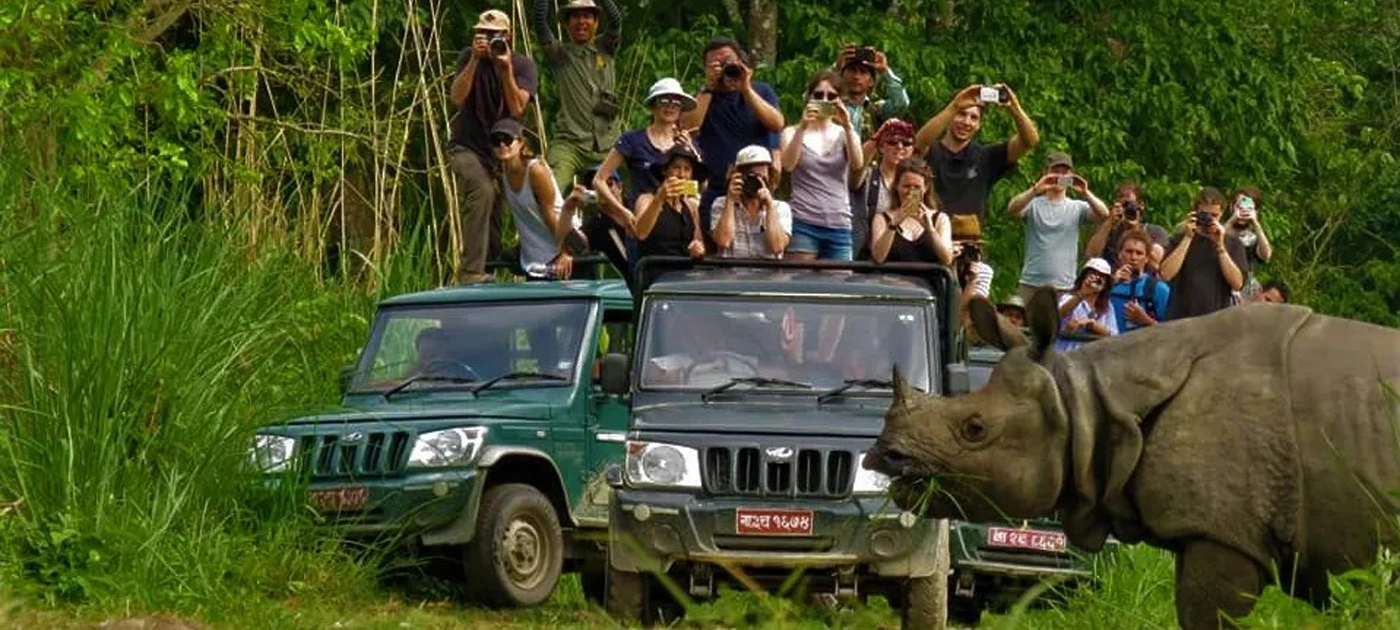
Chitwan is Nepal's oldest national park and a UNESCO World Heritage Site, and it's the first stop for almost every wildlife traveler in the country. This is where you have the best odds anywhere in Nepal of spotting the one-horned rhinoceros in the wild, along with Bengal tigers, sloth bears, gharial crocodiles, and over 500 species of birds.
What makes Chitwan special isn't just the wildlife — it's the range of ways you can experience it. You can go on a jeep safari, a canoe ride along the Rapti River, a guided jungle walk, or spend an evening at a Tharu cultural show in Sauraha. It's also the most accessible park on this list, just a short flight or scenic drive from Kathmandu or Pokhara, making it perfect for travelers with limited time.
Wildlife highlights: One-horned rhino, Bengal tiger, sloth bear, gharial crocodile, over 540 bird species
2. Bardiya National Park — Nepal's Best-Kept Secret for Tiger Sightings
Location: Mid-western Terai, along the Karnali River Best time to visit: October to April
If Chitwan is Nepal's most famous park, Bardiya is its wildest. It's Nepal's largest and least-disturbed jungle in the Terai, and it actually has a higher tiger density than Chitwan, without anywhere near the crowds. Because tourist numbers stay low, sightings here feel more authentic — you're far more likely to have the jungle to yourself.
Bardiya is also one of the few places in the world where you can spot wild elephants, tigers, and the endangered Gangetic dolphin all in the same trip. The Karnali River that runs through the park adds a beautiful contrast of water, forest, and grassland habitats.
Wildlife highlights: Bengal tiger, wild Asian elephant, Gangetic dolphin, swamp deer, over 30 recorded tigers in recent counts
3. Shuklaphanta National Park — Nepal's Grassland Wilderness
Location: Far-western Terai, Kanchanpur district Best time to visit: February to May, or mid-September to mid-December
Shuklaphanta is built around vast open grasslands ("phantas"), and it holds the world's largest population of swamp deer, with herds sometimes numbering in the thousands. It's also one of the last strongholds of the rare Bengal florican, a critically endangered bird.
This park sees far fewer tourists than Chitwan or Bardiya, which means the wildlife here feels genuinely wild and undisturbed. Wild elephants regularly cross through the park from India, and tigers have been steadily recovering in numbers.
Wildlife highlights: Swamp deer (largest herds in the world), Bengal florican, wild elephants, tigers, leopards
4. Banke National Park — The Quiet Extension of the Tiger Corridor
Location: Mid-western Terai, adjoining Bardiya National Park Best time to visit: October to April
Banke is one of Nepal's newer national parks, created to extend the protected corridor connecting Bardiya to India's forests. It's still one of the least-visited parks in the country, which is exactly what makes it appealing to serious wildlife travelers who want an off-the-beaten-path experience.
The dense Sal forests here support tigers, leopards, sloth bears, and four-horned antelope, but because infrastructure is still developing, this park is best suited to travelers who don't mind a more rustic, adventurous safari experience.
Wildlife highlights: Bengal tiger, leopard, sloth bear, four-horned antelope, wild boar
5. Parsa National Park — Chitwan's Wilder Neighbor
Location: Inner Terai, adjacent to Chitwan National Park Best time to visit: October to April
Parsa shares its southern border with Chitwan, and together the two parks form one of the largest protected tiger habitats in Asia. Parsa is drier than Chitwan, with Churia hill forests and riverine valleys, and it holds Nepal's second-largest population of wild Asian elephants.
Because Parsa gets a fraction of Chitwan's tourist traffic, it's an excellent choice if you've already done a Chitwan safari and want a quieter, more exploratory add-on.
Wildlife highlights: Wild Asian elephant, Bengal tiger, leopard, sloth bear, striped hyena
6. Sagarmatha National Park — Wildlife on the Roof of the World
Location: Solukhumbu district, home to Mount Everest Best time to visit: March to May, September to November
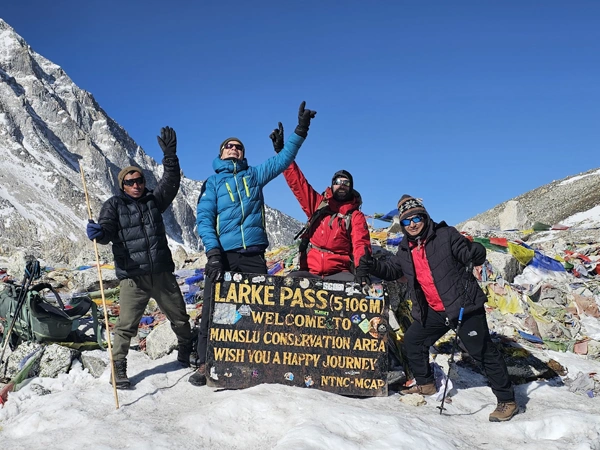
Sagarmatha is best known for Everest Base Camp treks, but it's also a UNESCO-listed biosphere with genuinely rare high-altitude wildlife. Trekkers here have a real (if not guaranteed) chance of spotting snow leopards, along with Himalayan tahr, musk deer, red pandas at lower elevations, and the colorful Danphe pheasant — Nepal's national bird.
This isn't a jeep-safari park; wildlife here is a bonus layered on top of one of the most spectacular trekking experiences on Earth, with altitudes ranging from 2,845m to 8,848m at the summit of Everest itself.
Wildlife highlights: Snow leopard, Himalayan tahr, red panda, musk deer, Danphe (Himalayan monal)
7. Langtang National Park — Nepal's Best Spot for Red Panda Sightings
Location: North of Kathmandu Valley, bordering Tibet Best time to visit: March to May, October to November
Langtang is often overlooked in favor of Everest and Annapurna, but for wildlife lovers, it might be the most rewarding Himalayan park on this list. Its terrain shifts dramatically from subtropical forest to alpine tundra in a short distance, and it's widely considered the best place in Nepal to spot the elusive red panda, especially around the Kyanjin Gompa area.
It's also refreshingly close to Kathmandu compared to other Himalayan parks, making it a practical choice for travelers who want serious mountain wildlife without a long approach trek.
Wildlife highlights: Red panda, Himalayan black bear, musk deer, snow leopard (at higher elevations), langur monkeys
8. Makalu Barun National Park — Nepal's Untouched Biodiversity Hotspot
Location: Eastern Nepal, around Mount Makalu Best time to visit: March to May, October to November
Makalu Barun is one of the most biodiverse protected areas in the entire Himalayan range, with elevation running from subtropical valleys at around 400m to the summit of Makalu at 8,463m — all within a single park. This range supports an extraordinary spread of ecosystems, and the park is believed to hold over 3,000 species of flowering plants.
Sightings of the clouded leopard, red panda, and Himalayan black bear are rare but documented, and the remoteness of the area means wildlife here faces far less human pressure than in more accessible parks.
Wildlife highlights: Clouded leopard, red panda, Himalayan black bear, over 400 bird species
9. Shey Phoksundo National Park — Nepal's Largest and Wildest Trans-Himalayan Park
Location: Dolpa district, western Nepal Best time to visit: May to September (dry, rain-shadow climate)
Shey Phoksundo is Nepal's largest national park by area, covering the remote Dolpa region on the Tibetan Plateau's rain-shadow side. This is genuine snow leopard country, along with blue sheep, Tibetan wolves, and the striking Himalayan snowcock. The turquoise Phoksundo Lake alone is worth the journey.
This park requires more effort to reach — it's remote, high-altitude, and often needs a restricted-area permit — but it rewards travelers with landscapes and wildlife found almost nowhere else in Nepal.
Wildlife highlights: Snow leopard, blue sheep (bharal), Tibetan wolf, Himalayan snowcock
10. Rara National Park — Nepal's Hidden Lake Sanctuary
Location: Mugu district, northwestern Nepal Best time to visit: March to April, September to November
Rara is home to Nepal's largest lake, ringed by dense coniferous forest and set against a backdrop of snow-capped peaks. It's remote and relatively untouched, and improved flight connections to Talcha Airport have made it much more accessible in recent years for travelers wanting a quieter nature retreat.
Wildlife includes musk deer, Himalayan black bears, and the endemic Rara snow trout found nowhere else on Earth — but the biggest draw here is really the untouched, peaceful atmosphere as much as the animal sightings.
Wildlife highlights: Musk deer, Himalayan black bear, red panda, endemic Rara snow trout
11. Khaptad National Park — Nepal's Best-Kept Secret for Birdwatchers
Location: Far-western mid-hills, spanning four districts Best time to visit: March to April, September to November
Khaptad is one of Nepal's most peaceful, least-commercialized parks, known for its rolling meadows, forests, and religious significance as the retreat of a revered spiritual figure. It's a fantastic destination for birdwatchers and travelers looking for solitude rather than guaranteed big-mammal sightings.
Leopards, Himalayan black bears, and musk deer live here, but thick forest cover means sightings require patience. What Khaptad lacks in dramatic wildlife encounters, it makes up for in scenery and tranquility.
Wildlife highlights: Leopard, Himalayan black bear, musk deer, over 200 bird species
12. Shivapuri Nagarjun National Park — Wildlife Right Outside Kathmandu
Location: Northern edge of Kathmandu Valley Best time to visit: Year-round; best October to April
For travelers with limited time, Shivapuri Nagarjun is Nepal's most convenient wildlife destination — it's the closest national park to Kathmandu, easily reached in under an hour. It won't give you tigers or rhinos, but it's an excellent spot for birdwatching, short hikes, and glimpsing smaller wildlife like jungle cats and rhesus macaques.
It's a great way to add a half-day nature experience to a Kathmandu itinerary, or to warm up before heading into the bigger Terai or Himalayan parks.
Wildlife highlights: Jungle cat, rhesus macaque, leopard (rarely seen), over 300 bird species
How to Choose the Right Park for Your Trip
With 12 national parks to choose from, here's a simple way to decide:
- Want tigers and rhinos with easy access? Go to Chitwan.
- Want a wilder, less crowded tiger safari? Go to Bardiya.
- Want to combine wildlife with an Everest trek? Choose Sagarmatha.
- Want your best shot at a red panda? Choose Langtang.
- Want snow leopard country and remote Himalayan scenery? Choose Shey Phoksundo.
- Have only a day in Kathmandu? Visit Shivapuri Nagarjun.
Most travelers combine one Terai jungle park (like Chitwan or Bardiya) with a Himalayan trek (like Everest or Langtang) for the complete Nepal experience — lowland jungle wildlife and high-altitude mountain wildlife in a single trip.
Final Thoughts
Nepal's national parks prove that this country offers far more than mountains. From the rhino-filled wetlands of Chitwan to the snow leopard territory of Shey Phoksundo, this small nation protects one of the most complete ranges of ecosystems and wildlife found anywhere in the world.
Whether you're chasing your first tiger sighting on a jungle safari or hoping to spot a red panda on a Himalayan trail, there's a national park in Nepal built for exactly that adventure.
Planning a wildlife trip to Nepal? At Asian Adventure Treks & Expedition, we design custom safari and trekking itineraries across all of Nepal's national parks — from short Chitwan jungle safaris to multi-week combined wildlife and trekking journeys. Get in touch with our team to start planning your Nepal wildlife adventure.