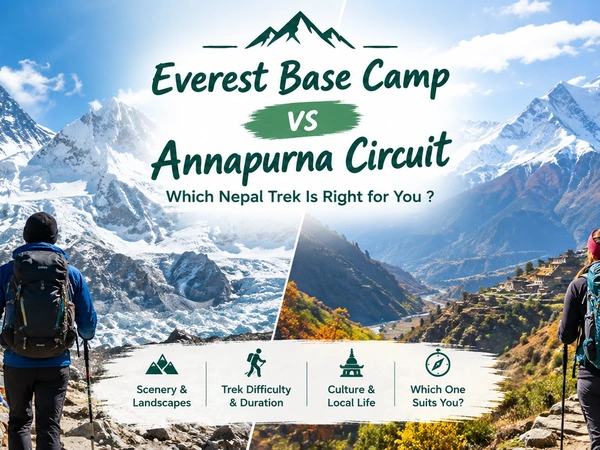
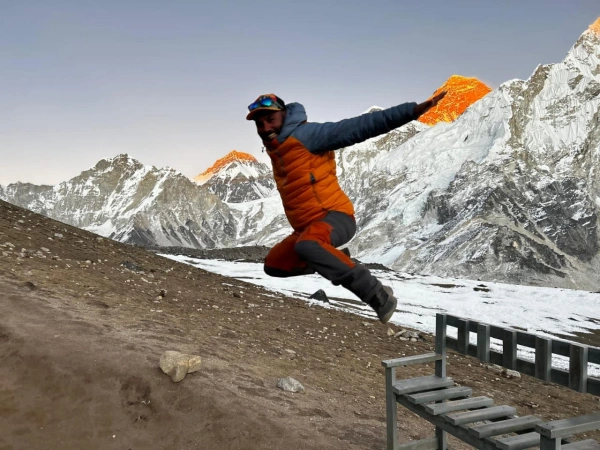
In general, YES—Nepal is safe to travel in 2026–2027.
Nepal welcomes tourists throughout the year and tourism is one of the country's most important industries. Tourist areas are well-established, local people are known for their hospitality, and serious crimes involving foreign visitors are relatively uncommon.
For American travelers (foreign nationals), Nepal is known for its friendly locals, well-established trekking routes, affordable travel costs, and English-speaking guides in most tourist areas. While there are some risks—such as altitude sickness, seasonal landslides during the monsoon, and challenging mountain roads—these are manageable with proper planning and responsible travel.
Whether you're dreaming of trekking to Everest Base Camp, exploring the Annapurna region, visiting UNESCO World Heritage Sites in Kathmandu, or taking a jungle safari in Chitwan, this guide covers everything U.S. travelers need to know about visiting Nepal safely in 2026–2027.
Is Nepal Safe for Tourists in 2026–2027?
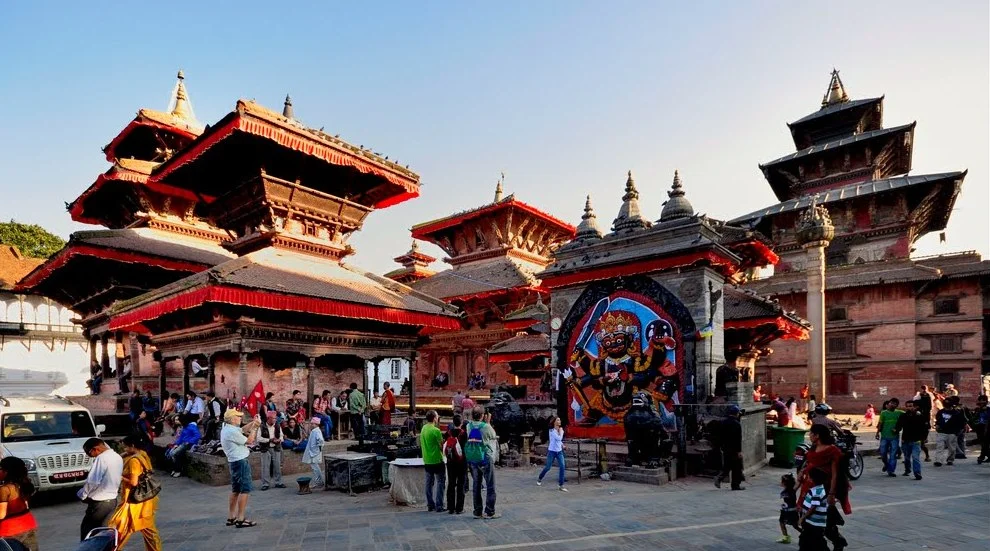
Very honestly, like any destination in the world, Nepal also has some risks—including mountain weather, altitude sickness, monsoon-related landslides, and occasional political demonstrations—but these rarely affect most tourists.
With proper planning and a licensed local operator, visitors enjoy safe and memorable holidays throughout the country. Government travel advisories generally recommend exercising normal or increased caution rather than avoiding travel altogether.
Nepal, being one of the safest destinations with the culture of respecting tourists or guests like “God” - the tourist destinations remain peaceful, including some famous must visit destinations like:
- Kathmandu
- Pokhara
- Chitwan National Park
- Lumbini
- Everest Region
- Annapurna Region
- Langtang Region
- Manaslu Region
- Upper Mustang
- Kanchenjunga Region and so on..
Tourism is one of Nepal's most important industries, and local communities are known worldwide for their hospitality. Violent crime against tourists is very rare, although petty theft can occur in busy tourist areas such as Thamel in Kathmandu.
Current Travel Situation in Nepal (2026 Update)
If you are planning a trip to Nepal in 2026 or 2027, the good news is that Nepal is fully open for international tourism. Visitors can travel independently or with organized tours and treks throughout the major tourist regions.
Travelers from worldwide can visit popular destinations such as Kathmandu, Pokhara, Chitwan National Park, Lumbini, Everest Base Camp, Annapurna, Manaslu, Mustang, and other Himalayan regions without unusual restrictions.
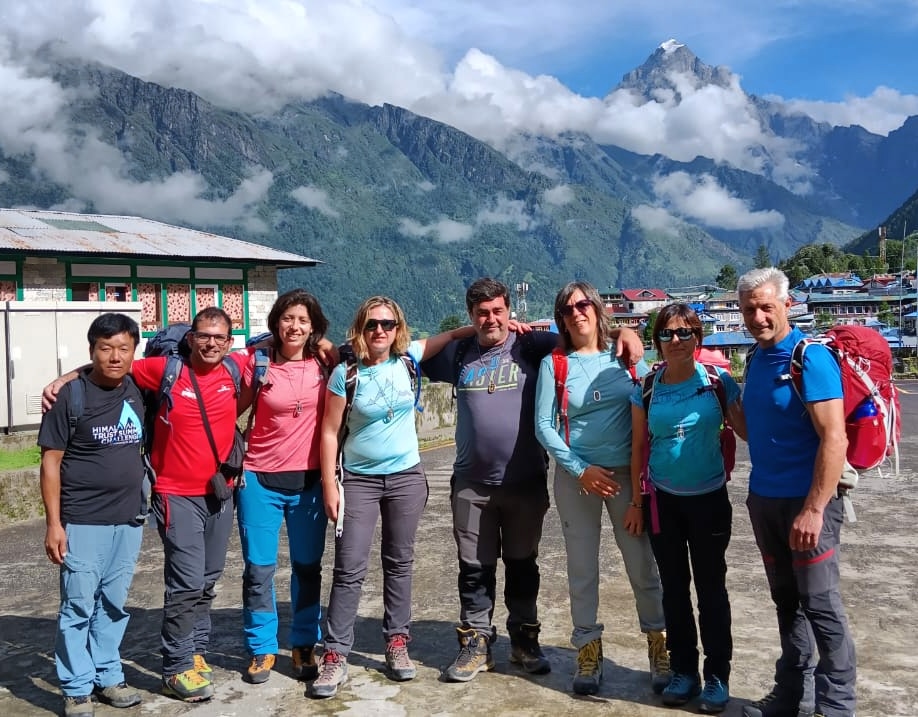 Nepal Is Open for Tourism
Travel conditions across Nepal are currently stable, and tourism services are operating normally.
- International flights are operating normally through Tribhuvan International Airport in Kathmandu, with connections from major cities in Asia and the Middle East.
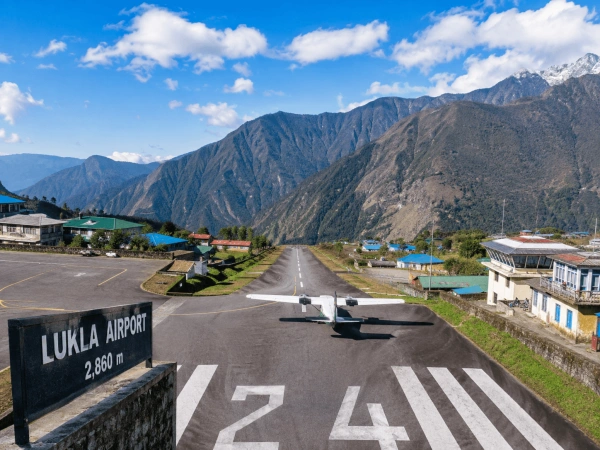
- Domestic flights connect major trekking regions, including Lukla, Pokhara, Jomsom, Bharatpur, Bhairahawa, Nepalgunj, and other many gateway airports.
- Hotels, restaurants, trekking lodges, and tourist attractions are fully operational across Nepal’s main tourist destinations.
- National parks andUNESCO World Heritage Sites are open to visitors, including Sagarmatha National Park, Chitwan National Park, Pashupatinath Temple, Boudhanath, Bhaktapur Durbar Square, and Lumbini.
For most visitors, entering Nepal is straightforward, and tourism-related services are functioning much as they did before the pandemic years.
Tourism Infrastructure in 2026
Since Nepal is a developing nation, tourism infrastructure during the trek or tour are basic but safe for travellers around the world.
Over the past decade, infrastructure has continued to improve, making travel easier and more comfortable for both first-time visitors and experienced trekkers.
What Travelers Can Expect
- Experienced trekking guides with extensive knowledge of Himalayan trails, weather, culture, and altitude safety.
- Licensed trekking companies registered with the Government of Nepal and tourism associations.
- Reliable accommodation in major tourist areas, ranging from budget guesthouses to luxury hotels and mountain lodges.
- Well-developed trekking routes in regions such as Everest, Annapurna, Langtang, and Manaslu, with established tea houses and support services.
- Growing digital payment options, including credit cards, and mobile wallets in Kathmandu, Pokhara, Chitwan and many tourist centres.
- Mobile internet coverage in most cities and many trekking regions, with 4G service available in much of the country and Wi‑Fi offered in many lodges.
While remote areas such as Dolpo, Kanchenjunga, and some remote parts of Upper Mustang remain more basic, the overall tourism infrastructure in Nepal is considered reliable by international standards.
Government Safety Measures
Nepal has strengthened tourism safety systems in recent years, particularly for trekking and mountaineering activities.
Permit and Monitoring Systems
- National parks and trekking permit systems help authorities monitor visitor numbers and support conservation efforts.
- Trekkers in protected areas are required to obtain the appropriate permits, such as Sagarmatha National Park permits, Annapurna Conservation Area permits (ACAP), Manaslu permits (MCAP), and restricted-area permits where applicable.
Tourist Police Assistance
Nepal operates a dedicated Tourist Police unit in major tourism centres including Kathmandu, Pokhara, and other popular destinations. Officers can assist visitors with:
- Lost documents
- Theft reports
- Travel disputes
- Emergency coordination
- General tourist information
Search and Rescue Coordination
In trekking regions, Nepal has an established search and rescue coordination system involving local authorities, trekking agencies, helicopter operators, and rescue organizations. Emergency evacuations are available in mountain areas when weather conditions permit.
Licensed Guides in Restricted Areas
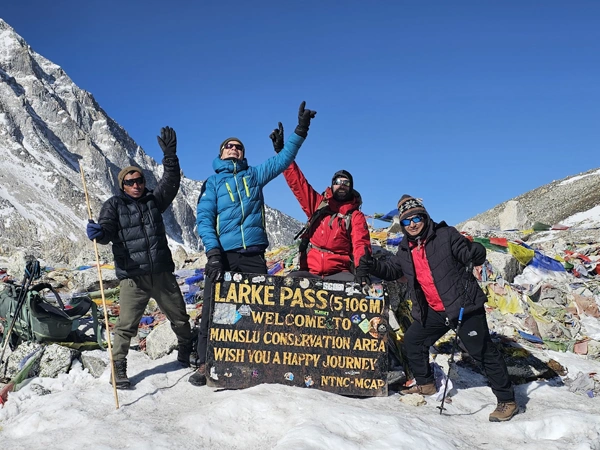
Certain regions, including Upper Mustang, Manaslu, Nar Phu, and Kanchenjunga, require travellers to be accompanied by licensed trekking guides through authorized trekking companies. This regulation improves both safety and route management.
Improved Trekking Regulations
The government has introduced updated trekking regulations and safety guidelines, including better coordination between local authorities and trekking operators, increased emphasis on registered guides in sensitive areas, and stronger monitoring of rescue operations.
Overall Assessment for Travelers
For American, Australian, European, and other international visitors, the current travel environment in Nepal is generally considered safe, organized, and tourism-friendly.
As with any mountain destination, travelers should still prepare for weather changes, altitude challenges, and occasional transportation delays, but there are currently no nationwide tourism restrictions affecting normal travel in Nepal for the travellers travelling to Nepal in 2026 or 2027.
Why Thousands of International Travellers Visit Nepal Every Year?
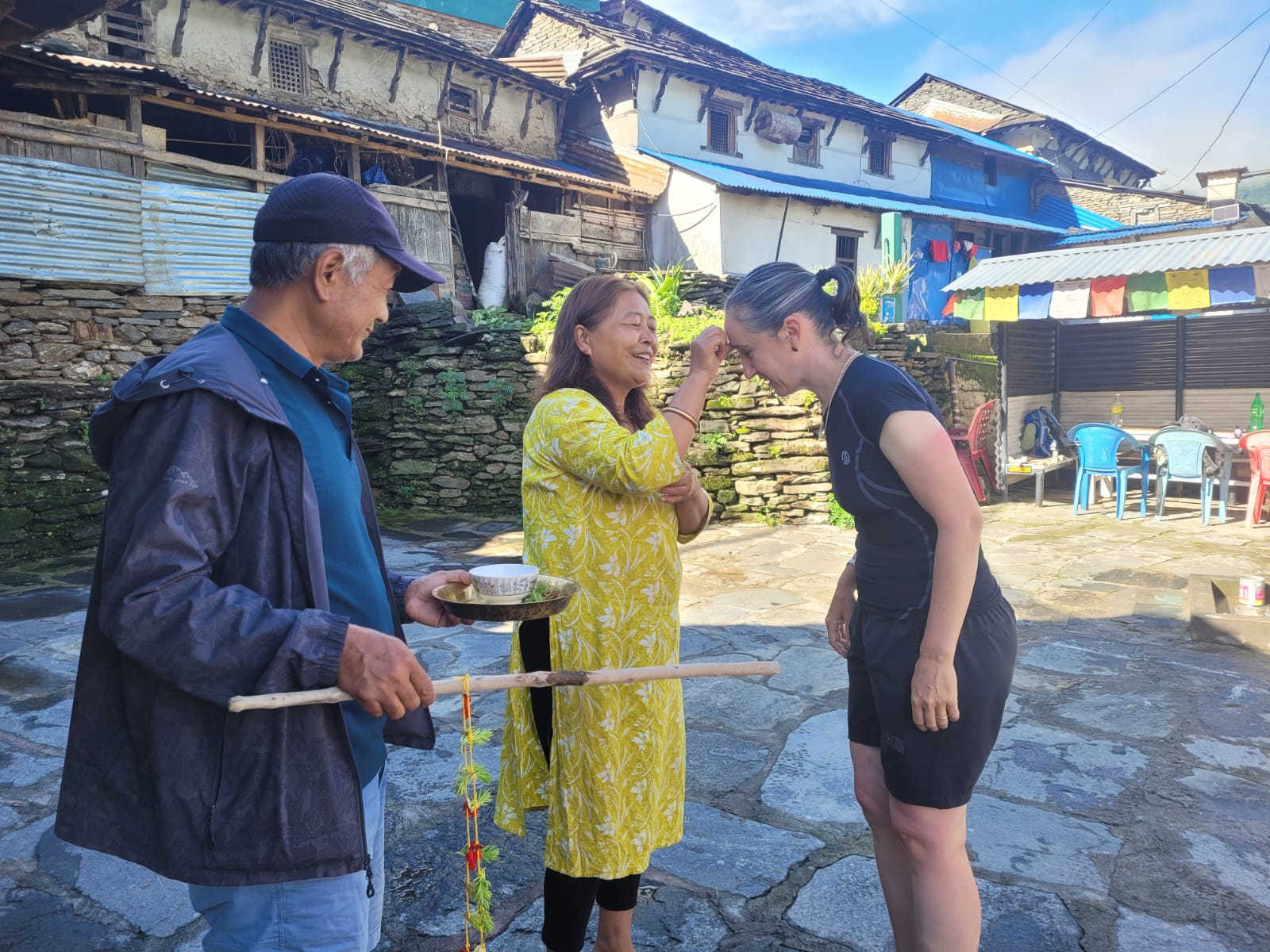
Nepal has become one of the world's top adventure travel destinations for Americans, Europreans, Asians and Australians looking to experience the Himalayas, Buddhist culture, wildlife, and authentic local hospitality.
Popular reasons that international travelers choose Nepal include:
- Trekking to Everest Base Camp
- Hiking the Annapurna Circuit and Annapurna Base Camp
- Wildlife safaris in Chitwan National Park
- Visiting Buddhist sites such as Boudhanath and Lumbini
- White-water rafting, mountain biking, and paragliding
- Photography and cultural tours
- Yoga, meditation, and wellness retreats
Many travelers also appreciate that Nepal offers excellent value compared with other mountain destinations, making it possible to enjoy high-quality trekking experiences at a relatively affordable cost.
Is Kathmandu Safe for Tourists?
Yes, Kathmandu is generally a safe city for tourists. Many international travellers travelling to Nepal first land in Kathmandu to its international airport and also visit the capital city every to explore its UNESCO World Heritage Sites, vibrant culture, and friendly local communities.
Safe Tourist Areas
The most popular tourist areas in Kathmandu are well-developed and regularly visited by international travellers. These include:
- Thamel – The city's main tourist hub with hotels, restaurants, cafes, trekking shops, and nightlife.
- Boudhanath – A peaceful area centered around one of the world's largest Buddhist stupas.
- Patan (Lalitpur) – Known for its beautiful temples, museums, and traditional Newari culture.
- Bhaktapur – A historic city famous for its medieval architecture and rich cultural heritage.
- Swayambhunath (Monkey Temple) – One of Nepal's most iconic hilltop temples with panoramic views of Kathmandu Valley.
- Kathmandu Durbar Square, Patan Durbar Square, and Bhaktapur Durbar Square – UNESCO World Heritage Sites that are popular with visitors throughout the year.
|
Category
|
Details
|
|
Common Issues
|
- Pickpocketing in crowded places
- Taxi overcharging
- Street scams
- Heavy traffic
- Air pollution
|
|
Safety Tips
|
- Use registered taxis or ride-hailing apps or use tourist vehicle through the local agency
- Keep valuables secure.
- Avoid carrying large amounts of cash.
- Stay alert in busy tourist areas.
- Cross roads carefully,
- Drink bottled or properly filtered water an
- Use your hotel safe for passports and important documents.
|
With basic precautions, Kathmandu is a safe and enjoyable destination for travellers visiting Nepal in 2026 and 2027.
Night Travel Tips in Nepal
Night travel in Nepal is generally safe, especially in popular tourist areas such as Thamel (Kathmandu), Boudhanath, Lakeside Pokhara, and other major tourist destinations.
Nepal has a relatively quiet nightlife compared to countries like Thailand, with most activities centred around restaurants, bars, and live music venues.
|
Topics
|
Information
|
|
Night Travel
|
Tourist buses operating at night are generally safe and widely used for travel between major cities.
|
|
Tourist Areas
|
Walking around Thamel, Boudhanath, and Lakeside Pokhara during the evening is generally safe.
|
|
Bars & Pubs
|
Enjoying bars, pubs, and clubs in Thamel is safe, provided you drink responsibly.
|
|
Nightlife
|
Nepal has a relaxed nightlife and is much quieter than destinations such as Thailand.
|
|
Safety Advice
|
Use registered taxis if returning late, avoid poorly lit streets, keep your valuables secure, and stay aware of your surroundings.
|
By following these simple precautions, most visitors enjoy a safe and pleasant evening in Nepal, whether dining out, shopping, or returning to their hotel after sightseeing.
Trekking Safety in Nepal
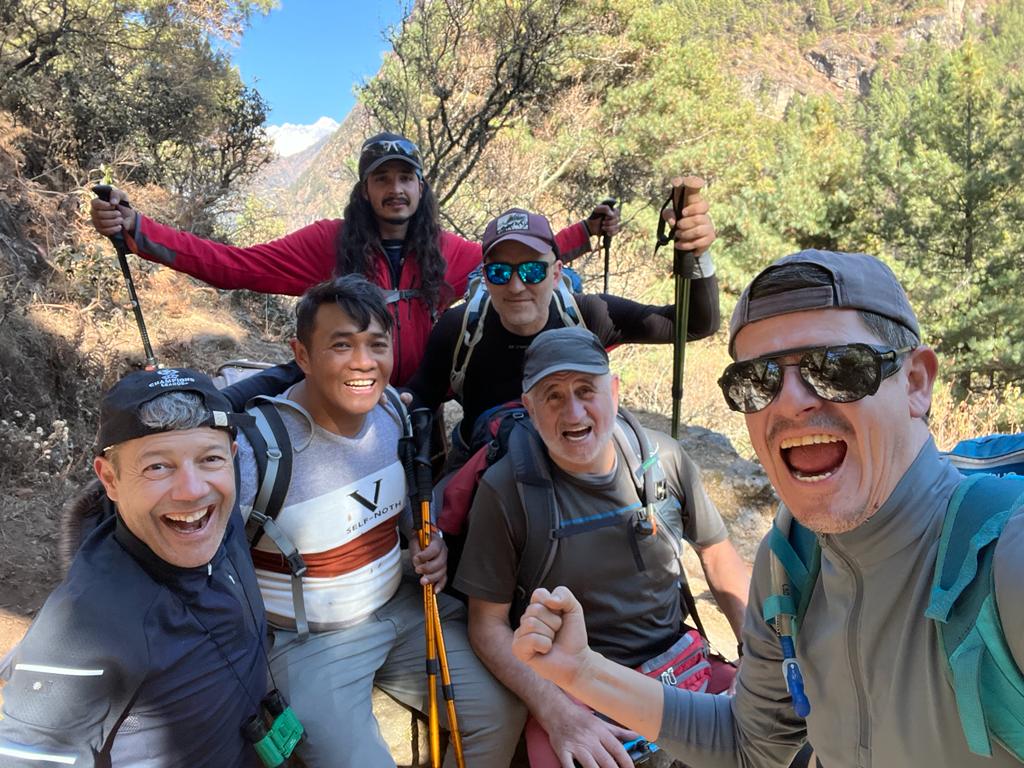
One of the main reason Nepal gets many travellers around the world is for Trekking in Nepal. Their Nepal holidays plan are specially for different hiking reasons like Everest Base Camp Trek, crossing high mountain passes – Manaslu Circuit Trek, or enjoying a lower-altitude trek in the Annapurna region – Annapurna Base Camp and so on..
So while many travellers visit to Nepal for trekking, these popular trekking routes are established with tea houses, lodges and clean accommodation options. Also, Asian Adventure Treks & Expedition provides experienced English-speaking guides, mountaineering guides, language speaking trekking / tour gudies and so on to enhance the experience of travellers.
Overall, by following the trekking safety standards and protocols, understanding the risks and following basic safety practices, you can greatly reduce the chances of problems during your trek.
Altitude Sickness
Altitude sickness, also known as Acute Mountain Sickness (AMS), is one of the most common challenges when trekking above 2,500 meters (8,200 feet). It occurs because the air contains less oxygen as elevation increases, making it harder for your body to adapt.
Causes
Altitude sickness develops when you ascend too quickly without giving your body enough time to acclimatize. Trekkers who gain elevation rapidly are at a higher risk.
Common Symptoms
Early symptoms may include:
- Headache
- Dizziness
- Fatigue
- Nausea or vomiting
- Loss of appetite
- Difficulty sleeping
- Shortness of breath during activity
If symptoms become severe, immediate medical attention and descent are essential.
Prevention
The best way to prevent altitude sickness is to climb gradually and avoid rushing your itinerary. Other important precautions include:
- Gain altitude slowly.
- Include acclimatization days in your itinerary.
- Avoid alcohol and smoking at high elevations.
- Eat nutritious meals.
- Listen to your body and never ignore symptoms.
Acclimatization
Most trekking itineraries in Nepal include acclimatization days, especially on routes such as the Everest Base Camp Trek and Manaslu Circuit Trek. These rest days allow your body to adjust to the thinner air before climbing higher.
A common trekking rule is to avoid sleeping more than 500 meters higher each day once above 3,000 meters whenever possible.
Stay Hydrated
Proper hydration helps your body adapt to altitude. Drink at least 3–4 liters of water daily while trekking, even if you do not feel thirsty. Avoid excessive alcohol, which can increase dehydration and worsen altitude-related symptoms.
Emergency Descent
If symptoms become severe or continue to worsen despite rest, the safest treatment is immediate descent to a lower elevation. Descending even 500–1,000 meters can significantly improve symptoms. Never continue climbing if you have signs of serious altitude sickness.
Weather Conditions by Season
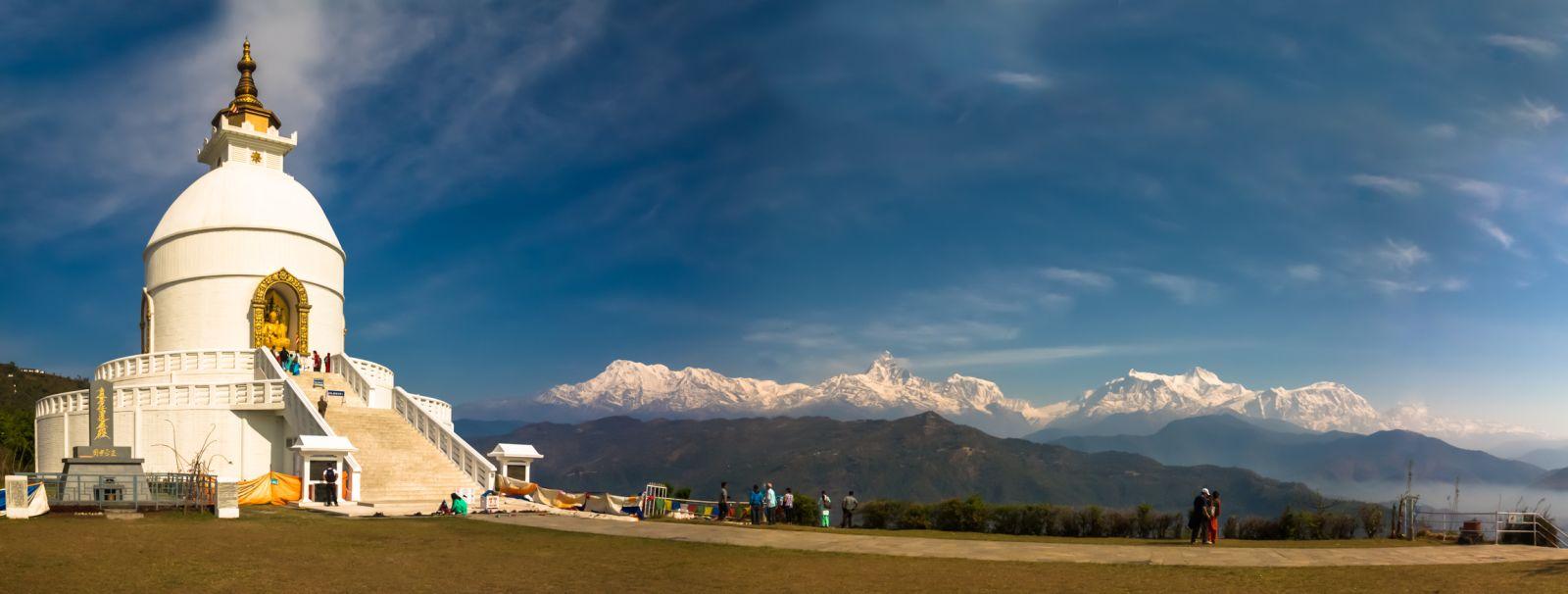 Nepal offers trekking opportunities throughout the year, but weather conditions vary considerably between seasons.
Spring (March to May)
Spring is one of the best trekking seasons in Nepal. Expect:
- Mild temperatures
- Clear mountain views
- Blooming rhododendron forests
- Stable weather in most trekking regions
Afternoon clouds are common but usually do not affect trekking significantly. Spring is one of the best season for peak / mountain climbing as well. Also, during the Spring because of sunny weather, lots of travellers visit Nepal for Nepal Tour activities.
Autumn (September to November)
Autumn is the most popular trekking season because it offers:
- Crystal-clear mountain views
- Comfortable daytime temperatures
- Dry trails
- Excellent visibility for photography
This season attracts the largest number of trekkers. Also, during Autumn, travellers get to enjoy two of our major festival Dashain and Tihar. Autumn is overall the best season for trekking / Tours / Peak climbing / Mountaineering and so on…
Winter (December to February)
Winter trekking is getting popular in Nepal, especially on lower-altitude routes like: Annapurna Base Camp Trek, Mardi Himal Trek, Langtang Valley Trek, Ghorepani – Poonhill Trek, Pikey Peak Trek and so on...
However, trekking in the higher elevations, you will experience with heavy snowfall, cold temperatures, frozen trails and occasional pass closures and Occasional pass closures.
For Winter Nepal treks, trekkers should carry proper winter gear and check weather conditions, however winter in Nepal is sunny and lower elevation treks are fun and less crowded than in peak season which makes winter trek enjoyable.
Monsoon (June to August)
Monsoon brings frequent rainfall, particularly in central and eastern Nepal. During this season you may encounter:
- Slippery trails
- Landslides in some regions
- Reduced mountain visibility
- Leeches in forested areas
Rain-shadow regions such as Upper Mustang Trek / Tour, Upper Dolpo Trek, Lower Dolpo remain excellent trekking destinations during the monsoon.
Trek With Licensed Guides in Nepal
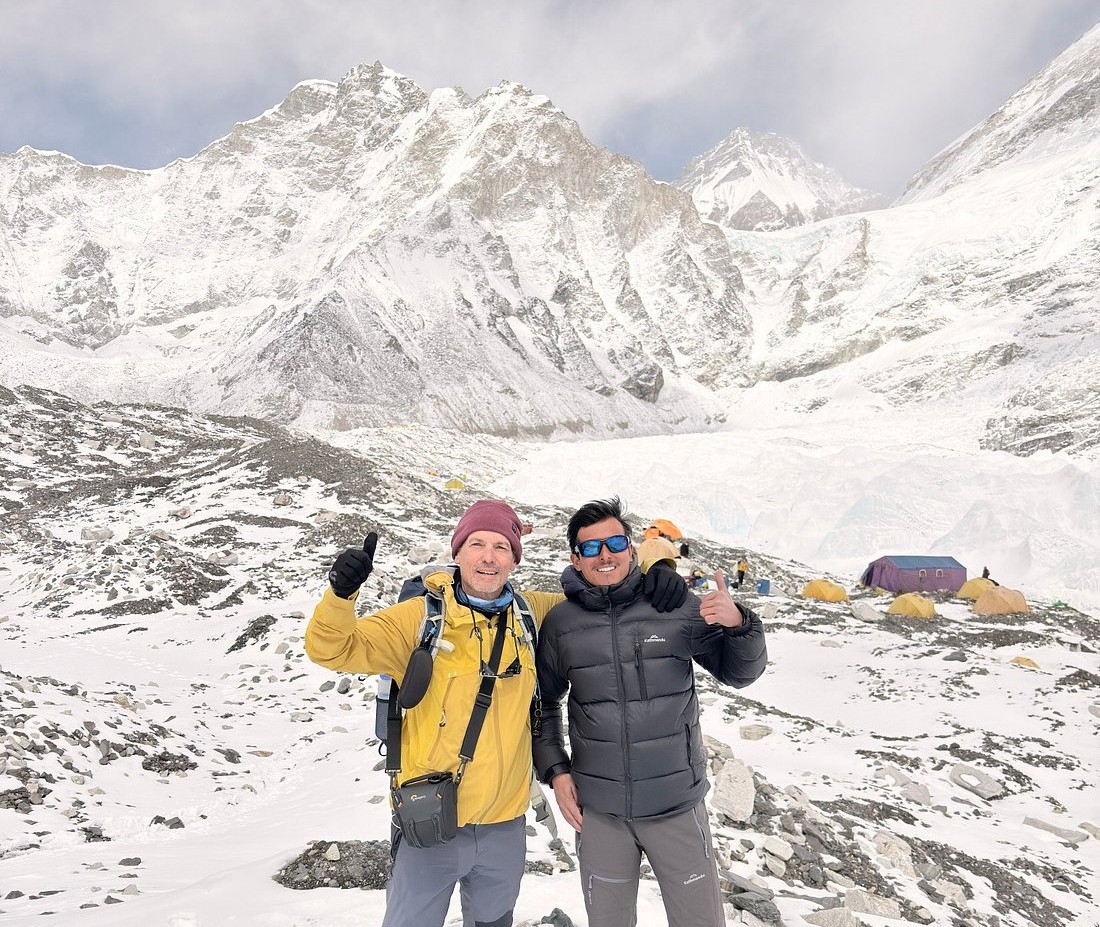
Hiring a licensed trekking guide is one of the best ways to enhance both your safety and your overall experience in Nepal.
Guides know the trails, alternative routes, and changing conditions, reducing the risk of getting lost.
Experienced guides recognize symptoms of altitude sickness, monitor your health, and make informed decisions if weather or trail conditions change.
Guides share fascinating insights about local culture, history, religion, wildlife, and mountain communities that independent trekkers often miss.
In case of illness, injury, or bad weather, licensed guides can coordinate emergency assistance, arrange helicopter rescues if necessary, communicate with local authorities, and organize transportation.
Nepal is home to many ethnic communities including Sherpa, Gurung, Tamang, Rai, Magar, and Tibetan Buddhist cultures. A knowledgeable guide helps visitors better understand local customs, traditions, monasteries, and daily village life.
Helicopter Rescue in Nepal
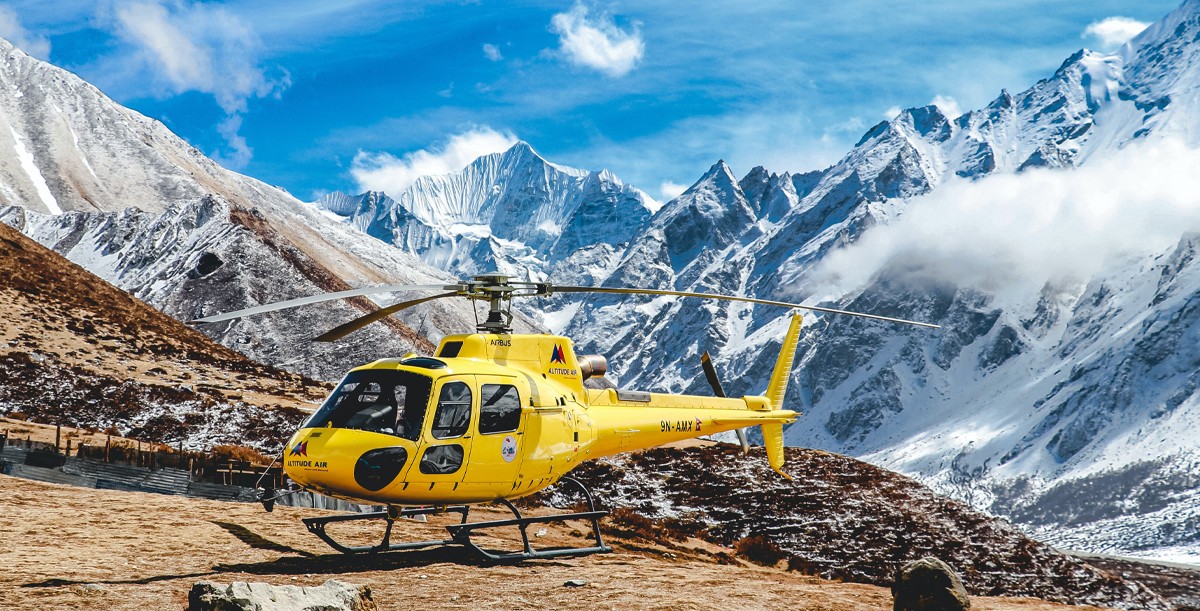
Helicopter evacuation services are available in most major trekking regions and can be life-saving during medical emergencies.
Travel Insurance
Before trekking, purchase comprehensive travel insurance that specifically covers:
- High-altitude trekking
- Emergency helicopter evacuation
- Medical treatment
- Trip interruption
- Search and rescue
Always check the maximum altitude covered by your policy, as some insurers exclude trekking above certain elevations.
Emergency Evacuation
Helicopter rescue may be required in cases of:
- Severe altitude sickness
- Serious injuries
- Medical emergencies
- Extreme weather situations where evacuation is necessary
Evacuations are coordinated by trekking agencies, guides, local authorities, and rescue operators.
Communication During Emergencies
Most popular trekking regions have mobile network coverage in many villages, although reception can be limited at higher elevations. Many tea houses also provide Wi-Fi for a small fee. Licensed guides typically carry mobile phones and know how to contact rescue services quickly if an emergency occurs.
Earthquakes in Nepal
Nepal lies in an active seismic zone, so earthquakes are possible, although large earthquakes are uncommon. Most hotels, especially in major cities and tourist areas, follow improved building standards, and emergency response procedures are in place. Travelers should familiarize themselves with basic earthquake safety guidelines during their stay.
The 2015 Gorkha Earthquake (magnitude 7.8) was the country's most devastating earthquake in recent history. It caused significant damage to homes, cultural heritage sites, and infrastructure, particularly in central Nepal.
Since then, Nepal has made major improvements in earthquake preparedness and resilience. Damaged roads, trekking trails, airports, hotels, and tourism facilities have been rebuilt and restored, while building regulations and construction standards have been strengthened for the safety.
Today, Nepal's tourism infrastructure is fully operational, and popular destinations such as Kathmandu, Pokhara, Chitwan, Everest Base Camp, Annapurna, Langtang, Manaslu and whole Nepal continue to welcome travellers safely.
While earthquakes cannot be predicted, emergency response systems are in place, and visitors are advised to follow local authorities' instructions should a seismic event occur during their visit.
Is Nepal Safe for Solo and Female Travelers?
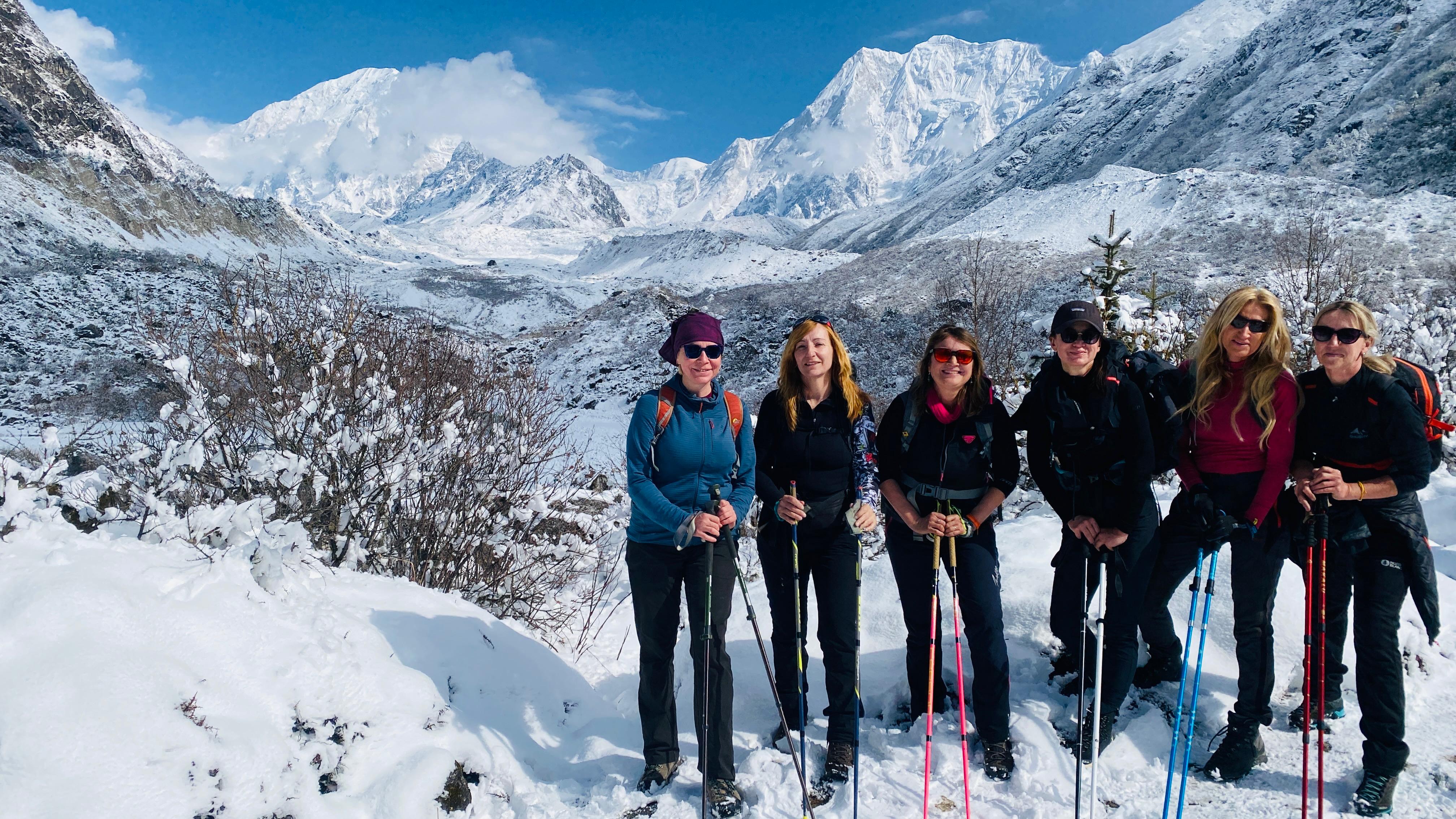
Nepal is widely regarded as one of the safest and friendliest destinations in South Asia for solo travellers. Every year, thousands of independent travellers from the United States, Canada, Australia, Europe, and around the world visit Nepal to trek in the Himalayas, explore ancient cities, and experience its rich culture.
Nepal's warm hospitality, well-established tourism industry, and welcoming local communities make it an excellent choice for those traveling alone.
Safety for Solo Travelers
Traveling solo in Nepal is generally a rewarding experience. Whether you're exploring Kathmandu's historic neighbourhoods, relaxing in Pokhara, or trekking through the Himalayas, you'll find it easy to connect with both locals and fellow travellers.
Asian Adventure Treks & Expedition has organized many travel / trekking pakcages to solo as well as female travellers safely and without any single problem.
Solo travelers appreciate Nepal because of its: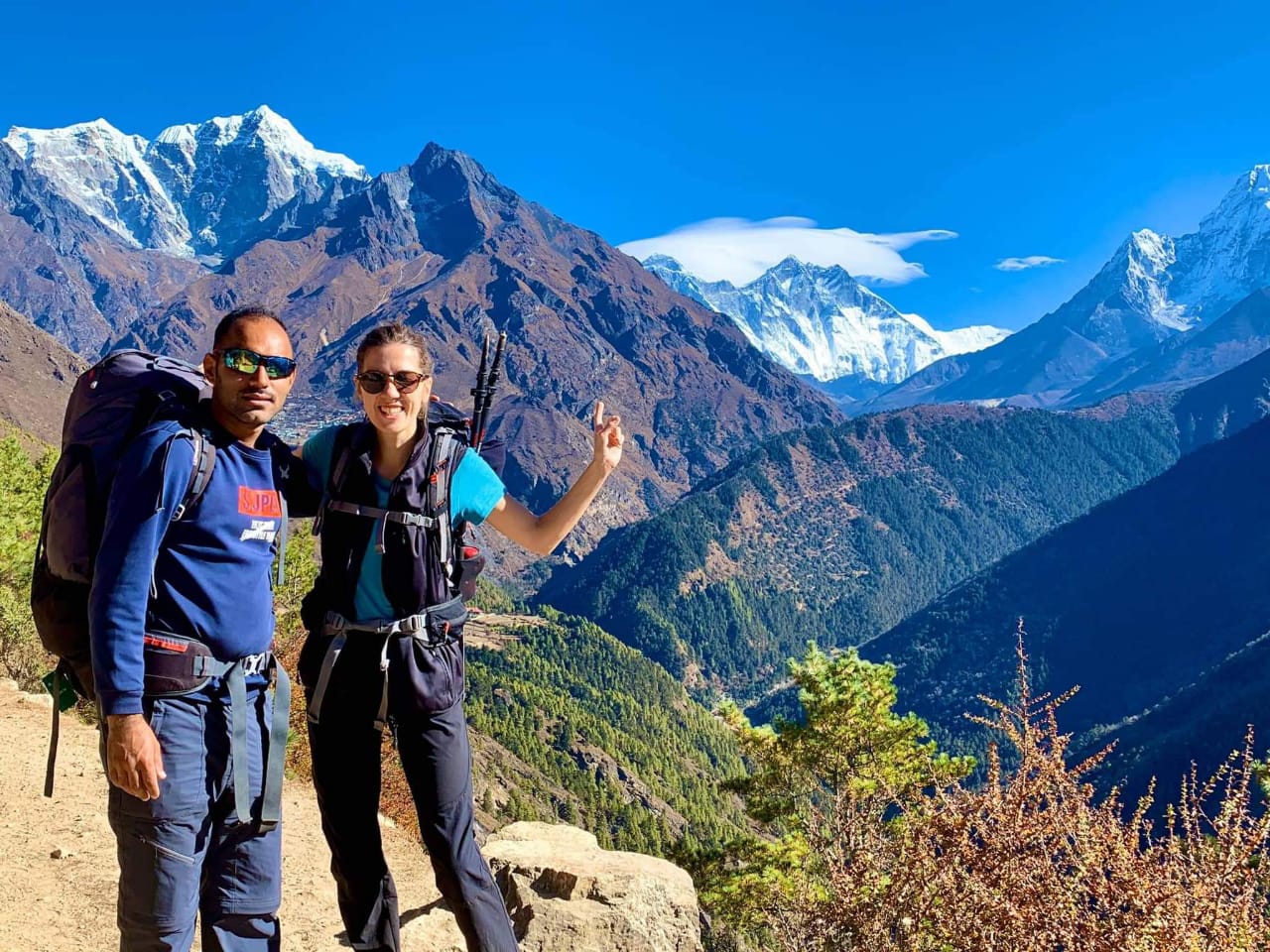
- Friendly and helpful local communities known for their hospitality.
- Popular backpacking routes, including the Everest, Annapurna, and Langtang regions, where you'll meet travelers from around the world.
- Well-developed trekking infrastructure with guesthouses, lodges, and teahouses along major trails.
- Organized trekking options with licensed guides and porters for added safety and convenience.
- Active traveler community, making it easy to join group tours or meet other adventurers.
As with any destination, keep your valuables secure, stay aware of your surroundings, and use registered transportation services in cities.
Safety for Female Travelers
Nepal is generally welcoming and respectful toward female travelers, including those traveling alone. Many women visit Nepal independently each year without experiencing significant problems. The country's tourism industry is accustomed to international visitors, and women are commonly seen trekking, sightseeing, and traveling throughout Nepal.
For a safe and comfortable trip, consider these practical tips:
- Dress modestly, especially in rural villages, temples, monasteries, and other religious sites, to respect local customs.
- Stay in reputable hotels, guesthouses, or trekking lodges with positive reviews.
- Avoid walking alone in isolated areas or poorly lit streets late at night.
- Hire licensed trekking guides or join organized groups when visiting remote mountain regions.
- Use registered taxis or reputable ride services in major cities.
- Keep family or friends informed of your travel plans during longer treks.
- Trust your instincts—if a situation feels uncomfortable, leave and seek assistance.
Nepali people are generally respectful and eager to help visitors. Most interactions are friendly, and many travelers describe Nepal as one of the easiest countries in Asia to travel independently.
With sensible precautions and good planning, Nepal remains a safe, welcoming, and unforgettable destination for both solo adventurers and female travelers in 2026–2027.
Travel Insurance and Emergency Planning
Travel insurance is one of the most important things to arrange before visiting Nepal, especially if you plan to trek in the Himalayas or participate in adventure activities.
While Nepal is a safe destination for most travellers, unexpected situations such as illness, altitude sickness, flight delays, or severe weather can occur. Having the right insurance provides peace of mind and can save you from significant unexpected expenses.
Your travel insurance policy should include:
- High-altitude trekking coverage for the maximum elevation of your itinerary.
- Emergency helicopter evacuation, which may be necessary if you develop severe altitude sickness or are injured in a remote mountain area.
- Medical expenses, including hospitalization and emergency treatment.
- Trip cancellation or interruption due to unforeseen events.
- Lost, delayed, or damaged baggage and personal belongings.
- 24/7 emergency assistance, including access to emergency support and travel advice.
If you are trekking to popular destinations or climbing trekking peaks, it is essential to verify that your policy covers the highest altitude you will reach.
Important: Many standard travel insurance policies do not automatically cover trekking above 3,000–4,000 meters. Some policies also exclude helicopter rescue or mountaineering activities unless you purchase additional adventure sports coverage. Before buying insurance, carefully check the maximum altitude covered, the list of included activities, and whether emergency helicopter evacuation is included.
Taking a few minutes to confirm these details before your trip can make a significant difference if an emergency arises, allowing you to focus on enjoying Nepal's incredible mountains, culture, and natural beauty with confidence.
Conclusion
Nepal remains one of the safest and most welcoming travel destinations in Asia, offering incredible experiences for adventure seekers, cultural enthusiasts, wildlife lovers, and spiritual travellers alike. From the majestic Himalayas and world-famous trekking routes to ancient UNESCO World Heritage Sites, lush national parks, and vibrant local communities, the country provides unforgettable journeys for visitors from around the world. By planning ahead, staying informed about weather and trekking conditions, and choosing reputable local tour operators, licensed guides, and quality accommodations, travellers can enjoy a safe and rewarding visit.
Whether you're trekking to Everest Base Camp, exploring the Annapurna region, spotting wildlife in Chitwan National Park, or discovering Nepal's rich cultural heritage in Kathmandu, the country is well-prepared to welcome international visitors. With its reliable tourism infrastructure, warm hospitality, and friendly people, Nepal continues to be an excellent destination for solo travelers, families, couples, and adventure enthusiasts.
Travel responsibly, respect local customs, and embrace the journey with confidence—Nepal is ready to offer memories that will last a lifetime.