When is the best time to trek to Everest Base Camp?
For most trekkers, the best seasons are Spring (March to May) and Autumn (mid-September to November).
Among these, October is generally considered the best month for clear mountain views and stable weather, while April is an excellent choice for warmer days, blooming rhododendrons, and the lively atmosphere of the Everest climbing season.
However, Everest Base Camp can be trekked in other months too, depending on your experience, expectations, and flexibility.
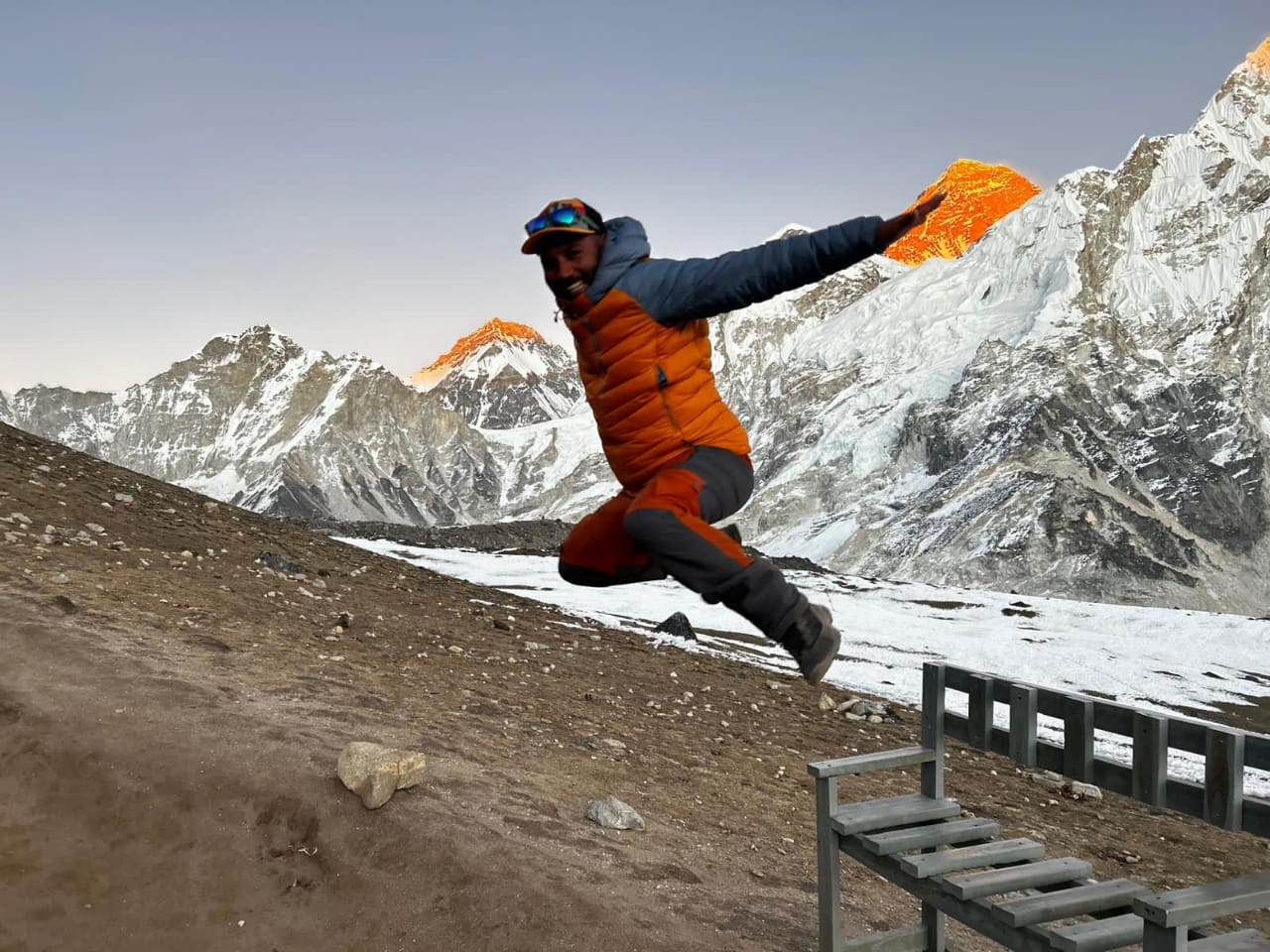
Everest Base Camp Trek: Best Months at a Glance
|
Month
|
Season
|
Weather
|
Mountain Views
|
Crowds
|
Our Recommendation
|
|
January
|
Winter
|
Very cold and dry
|
Excellent when clear
|
Very low
|
Experienced trekkers
|
|
February
|
Winter
|
Cold, gradually warming
|
Good to excellent
|
Low
|
Experienced trekkers
|
|
March
|
Spring
|
Cool and increasingly pleasant
|
Very good
|
Moderate
|
Good
|
|
April
|
Spring
|
Mild and stable
|
Excellent
|
High
|
Excellent
|
|
May
|
Spring
|
Warm, occasional clouds
|
Good
|
Moderate–High
|
Very good
|
|
June
|
Monsoon
|
Rain begins
|
Limited
|
Low
|
Not recommended
|
|
July
|
Monsoon
|
Wet and cloudy
|
Limited
|
Very low
|
Not recommended
|
|
August
|
Monsoon
|
Wet and cloudy
|
Limited
|
Very low
|
Not recommended
|
|
September
|
Autumn
|
Improving weather
|
Good to excellent later
|
Moderate
|
Good from late September
|
|
October
|
Autumn
|
Clear and stable
|
Excellent
|
High
|
Best overall
|
|
November
|
Autumn
|
Clear but colder
|
Excellent
|
Moderate
|
Excellent
|
|
December
|
Winter
|
Cold and dry
|
Good when clear
|
Low
|
Experienced trekkers
|
Everest Trek in Spring (March to May)
Spring is one of the best times to trek to Everest Region Treks like: Everest Base Camp, Gokyo Chola Everest with EBC, Gokyo Lake Trek, Everest Three Pass Trek and so on... The weather gradually becomes warmer, days become longer, and the hills around the lower Khumbu region come alive with blooming rhododendrons.
Spring is also the main Everest expedition season, so trekking to Base Camp during April and May gives you a chance to experience the atmosphere around the world's highest mountain when expedition teams are preparing for their summit attempts.
March
March marks the beginning of the spring trekking season.
Temperatures are still cold at higher elevations, particularly in the mornings and evenings, but conditions generally become more comfortable as the month progresses. Mountain views can be excellent, and there are fewer trekkers compared with April.
- Best for: Trekkers looking for spring conditions with fewer crowds.
April
April is one of the best months for the Everest Base Camp trek.
The weather is generally stable, daytime temperatures are more comfortable, and rhododendrons are blooming at lower elevations. The trail is lively, and you may encounter mountaineering teams preparing for their Everest expeditions.
If you want a combination of good weather, beautiful scenery and an energetic trekking atmosphere, April is an excellent choice.
May
May is warmer than April, but the weather gradually becomes more unpredictable as the monsoon approaches. Afternoon clouds can become more common, so early starts are recommended for the best mountain views.
- Best for: Trekkers who prefer warmer conditions and want to experience the Everest expedition atmosphere.
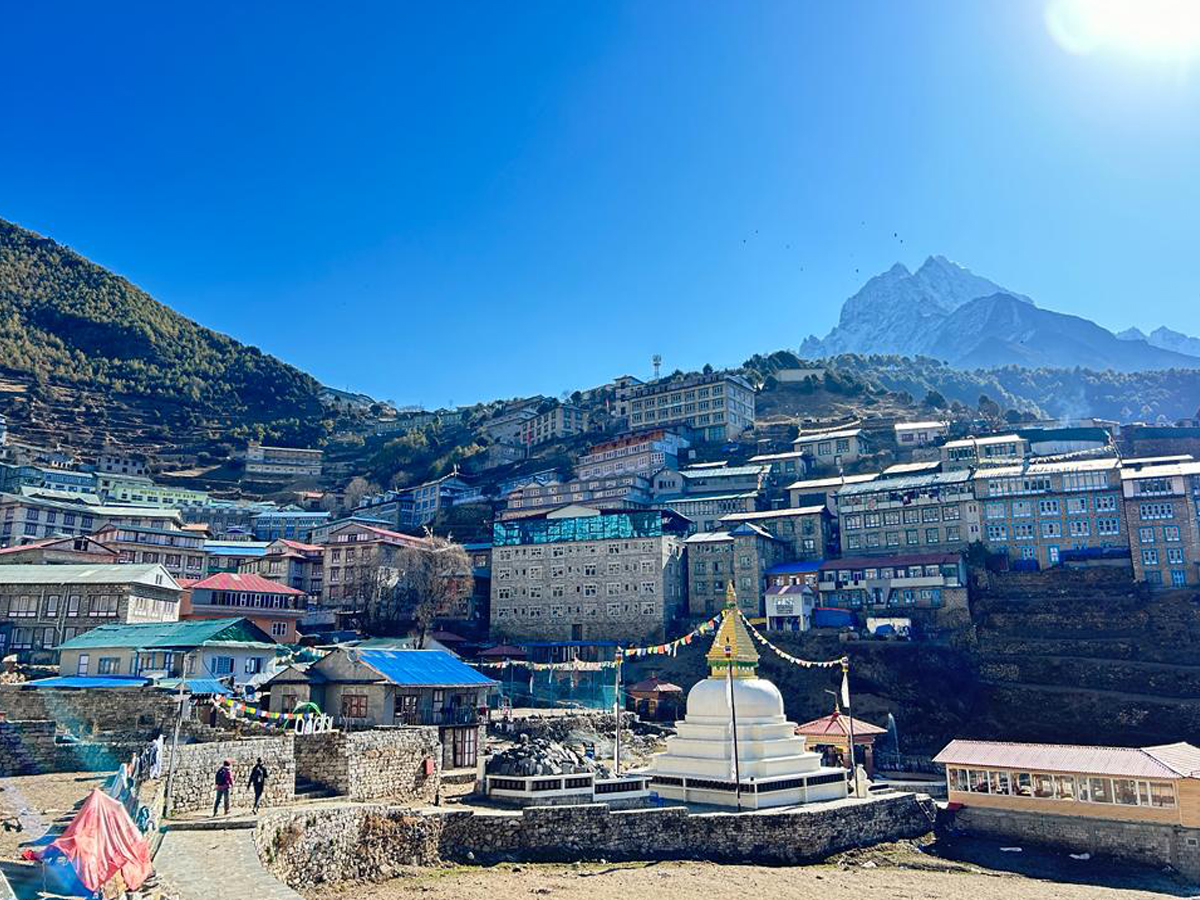
Everest Trek in Summer and Monsoon (June to August)
The summer months coincide with Nepal's monsoon season. Rainfall is common in the lower Khumbu, while clouds can frequently obscure mountain views.
The trails can become wet and slippery, and flights to and from Lukla may be affected by poor weather.
For these reasons, June, July and August are generally not the preferred months for a classic Everest Base Camp trek.
However, experienced trekkers with flexible schedules may still travel during this period. The Everest region can be peaceful, green and much quieter than during the peak trekking seasons.
- Best for: Experienced and flexible trekkers who prioritize solitude over clear mountain views.
Everest Base Camp Trek in Autumn (September to November)
Autumn is widely regarded as the best overall season for Everest Base Camp trekking.
After the monsoon, the atmosphere becomes clearer and the Himalayan peaks are often beautifully visible. The trails are generally dry and trekking conditions are favourable.
September
September is a transition month.
The first part of September can still receive some monsoon influence, but conditions usually improve toward the middle and especially the latter part of the month.
If you want to trek in September, late September is a better choice than early September.
October
Why October Is the Best Month for Everest Base Camp
If you ask us to choose one month, October would be our first recommendation.
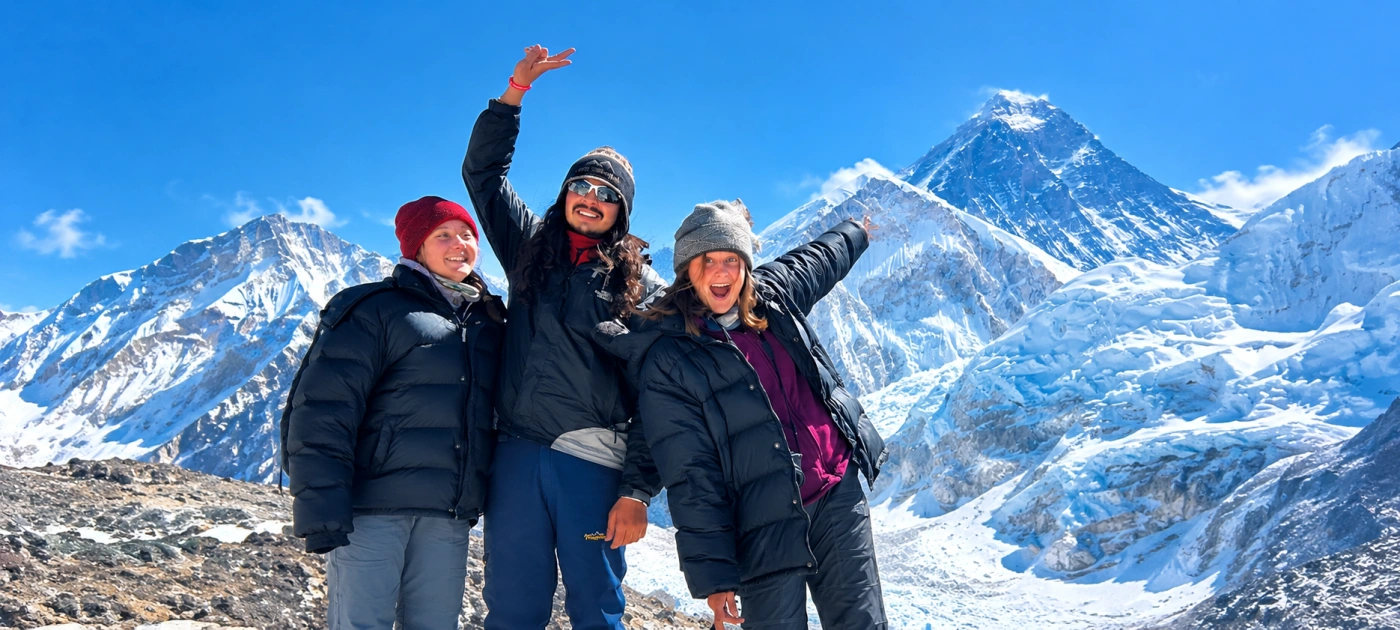
The monsoon has generally moved away, leaving clearer skies and excellent visibility across the Khumbu. Days are comfortable for trekking, while the mornings often provide spectacular views of Everest, Ama Dablam, Lhotse, Nuptse and other Himalayan peaks.
The main disadvantage is that October is also one of the busiest months on the trail. Teahouses, flights and trekking services can be in high demand, so booking in advance is recommended.
- Best for: First-time trekkers, photographers and anyone looking for the best combination of weather and mountain views.
November
November is another excellent month for Everest Base Camp.
The skies are generally clear, visibility remains excellent and the number of trekkers gradually decreases as the month progresses. However, temperatures become colder, especially at night and at higher elevations.
- Best for: For trekkers who prefer clear skies with somewhat fewer people, early or mid-November can be an excellent choice.
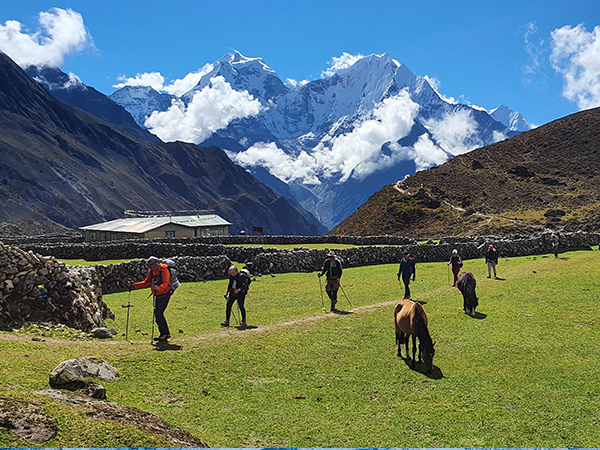
Everest Base Camp Trek in Winter (December to February)
Winter brings cold temperatures to the Everest region, particularly above Namche Bazaar. Nights at higher elevations can be extremely cold, and snowfall can occasionally affect the trail.
However, winter also has an advantage: fewer trekkers and excellent visibility on clear days.
If you are properly equipped and comfortable with cold-weather trekking, winter can offer a peaceful and unique Everest experience.
December
December is cold but often dry and clear. The trails are much quieter than in October and November.
January
January is among the coldest months of the year. Temperatures at higher elevations can fall well below freezing, particularly during the night.
February
February remains cold, but conditions gradually start to improve toward the end of the month as spring approaches.
- Best for: Experienced trekkers seeking solitude and who are properly prepared for extreme cold.
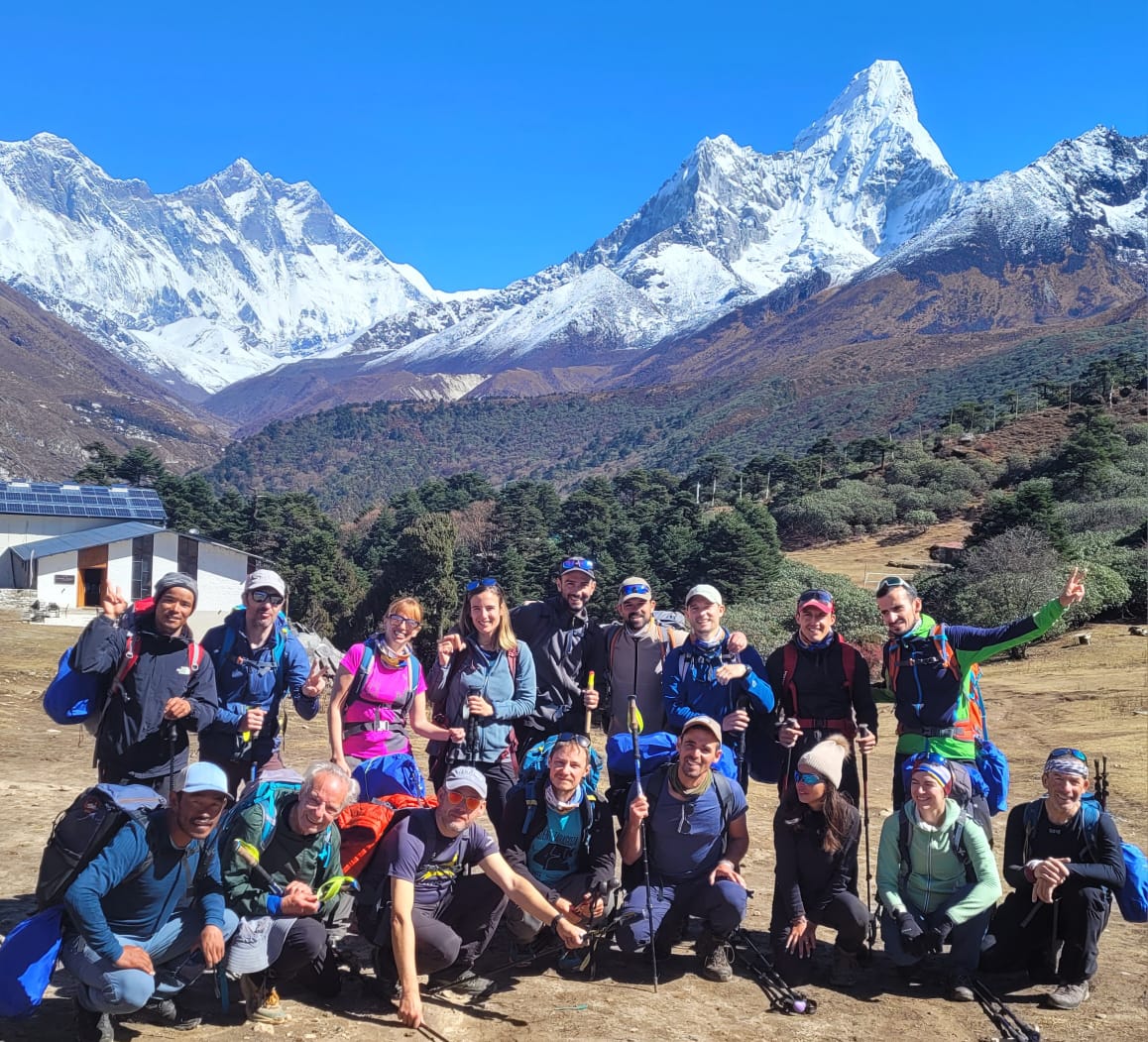
Which Month Is Best for Everest Base Camp?
There is no single perfect month for every trekker.
Your ideal month depends on what you want from the journey.
|
If you want...
|
Best time
|
|
Best overall conditions
|
October
|
|
Clear mountain views
|
October–November
|
|
Warmer spring weather
|
April–May
|
|
Rhododendron flowers
|
March–April
|
|
Everest expedition atmosphere
|
April–May
|
|
Fewer trekkers
|
November, December–February
|
|
Quiet trails
|
Winter
|
|
Best balance of weather and fewer crowds
|
Early/mid-November
|
|
Avoiding monsoon
|
Late September–November / March–May
|
Autumn vs. Spring: Which Is Better?
Both seasons are excellent, but they offer a slightly different experience.
Autumn: September–November
Advantages:
- Clear post-monsoon skies
- Excellent mountain visibility
- Dry and generally stable trails
- Comfortable trekking temperatures
- Excellent photography conditions
Disadvantages:
- October can be very busy
- Accommodation should be booked in advance
- Colder nights toward November
Spring: March–May
Advantages:
- Warmer days
- Rhododendrons in bloom
- Beautiful green landscapes at lower elevations
- Everest expedition activity
- Excellent trekking conditions, particularly in April
Disadvantages:
- Afternoon clouds can increase later in spring
- April can be busy
- May becomes increasingly influenced by pre-monsoon weather
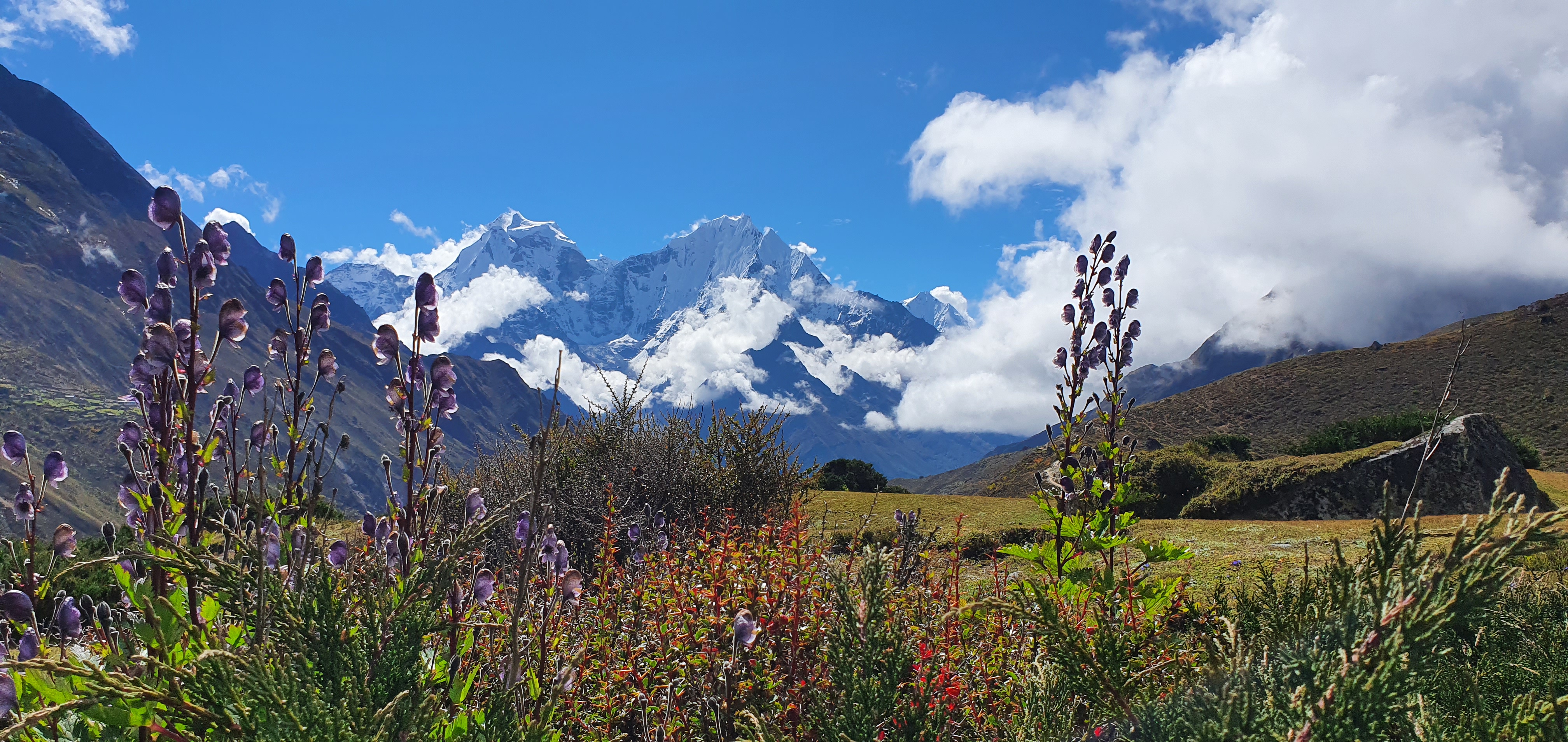
What About Weather at Everest Base Camp?
It is important to remember that the Everest Base Camp trek takes you through a huge range of elevations, from Lukla at approximately 2,860 m to Everest Base Camp at 5,364 m and Kala Patthar at 5,545 m.
If you are going for Everest Gokyo Chola Pass Trek, then highest altitude for pass is: Chola Pass (5330 m), Gokyo Ri (5360 m), EBC (5364 m) and Kala Pathhar (5545 m).
For Everest Three Pass trek, highest altitudes are: Renjo La Pass (5340 m), Chola Pass (5330 m), Kongma La Pass (5535 m) along with Gokyo Ri (5360 m), EBC (5364 m) and Kala Pathhar (5545 m).
As you gain altitude, temperatures drop significantly. Even during the best trekking seasons, mornings and nights at higher elevations can be very cold.
Weather can also change quickly in the Himalayas. Therefore, your trekking itinerary should include appropriate acclimatization days and some flexibility.
Why Acclimatization Matters?
Choosing the right month is important, but a well-designed itinerary is equally important.
The Everest Base Camp trek takes you to more than 5,000 metres above sea level. Your body needs time to adjust to the decreasing oxygen levels.
A standard itinerary usually includes an acclimatization day around Namche Bazaar and another acclimatization period around Dingboche, depending on the itinerary and trekking pace.
You should never rush the trek simply to save a day or two. Proper acclimatization gives you a better chance of enjoying the journey and reaching Base Camp safely.
Should You Add Extra Days to Your Everest Base Camp Trek?
YES!
Although the main trekking itinerary can be completed in around two weeks from Lukla and back, we recommend allowing one or two extra days in Kathmandu after returning from the mountains.
Flights between Kathmandu and Lukla can sometimes be affected by mountain weather. Having extra time provides flexibility if your flight is delayed or cancelled.
For international travellers, this is especially useful because a delayed Lukla flight should not automatically mean missing your international departure.
Ready to Trek to Everest Base Camp?
At Asian Adventure Treks & Expedition, we organize private and customized Everest Base Camp treks with experienced local guides, carefully planned acclimatization days and support throughout your journey.
Whether you are planning your first Himalayan trek, travelling as a couple, joining a private group or looking for a customized itinerary, we can help you choose the best month and itinerary for your Everest Base Camp adventure.
Suggested FAQ:
- What is the best month to trek to Everest Base Camp? October is generally the best month for the Everest Base Camp trek because of stable weather, clear skies and excellent mountain visibility.
- Is April a good month for the Everest Base Camp trek? Yes. April is one of the best months, offering comfortable trekking conditions, blooming rhododendrons and the atmosphere of the Everest expedition season.
- Can you trek to Everest Base Camp in December? Yes, Everest Base Camp can be trekked in December, but temperatures are very cold. It is better suited to experienced trekkers who are properly equipped for winter conditions.
- Can you trek to Everest Base Camp during the monsoon? It is possible, but June to August is generally not recommended because of rain, clouds, slippery trails and possible flight disruptions.
- How many days do you need for Everest Base Camp? A standard Everest Base Camp trek from Lukla and back generally takes around two weeks, although the exact duration depends on the itinerary, acclimatization days and contingency days.
- Is September a good time for Everest Base Camp? Late September can be a good time as the monsoon begins to retreat and trekking conditions improve. Early September can still experience monsoon weather, so later in the month is generally preferable.
- Is October too crowded for Everest Base Camp? October is the busiest trekking period, but the excellent weather and visibility make it one of the most popular times to visit. Advance booking is recommended.