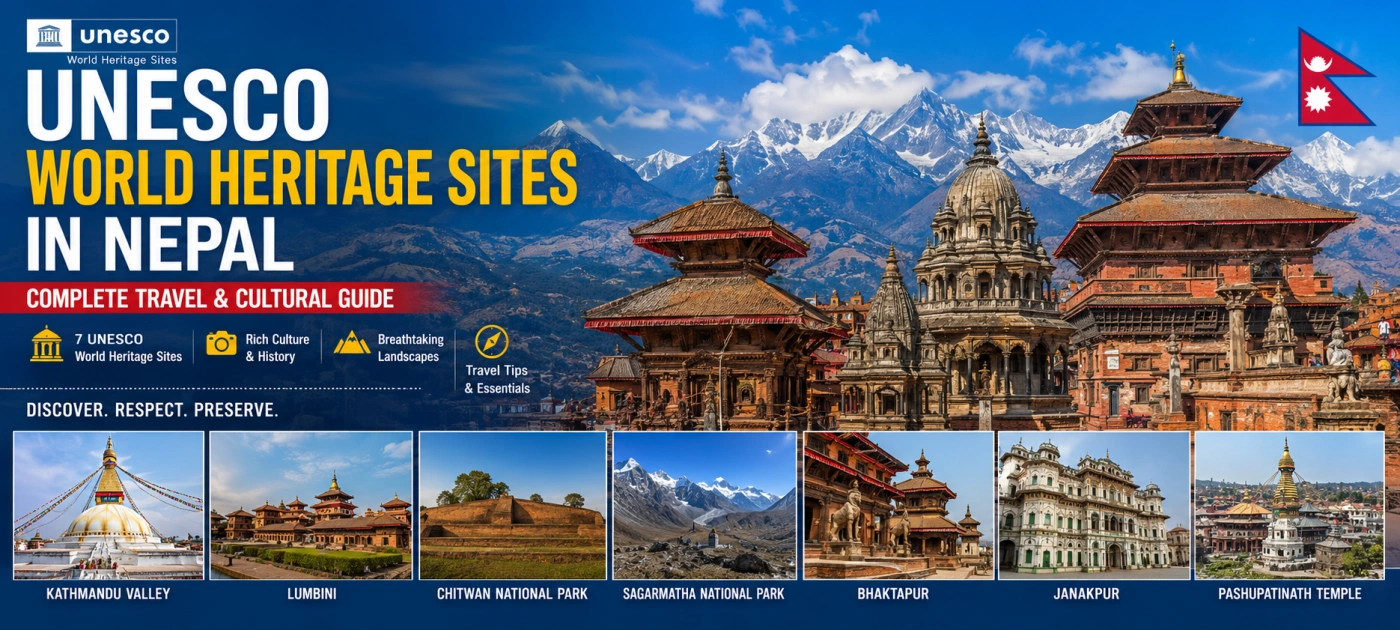
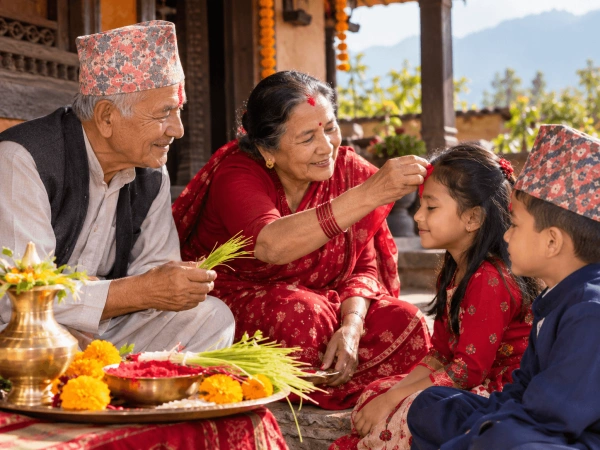
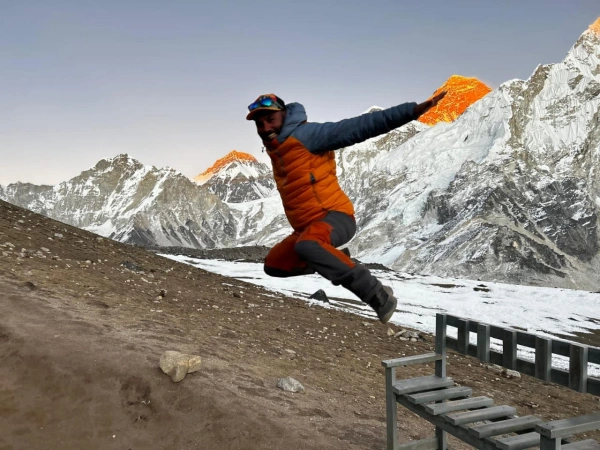
Nepal is a land of extraordinary cultural and natural treasures. Despite its relatively small size, the country is home to ten UNESCO World Heritage Sites that showcase centuries of history, spiritual traditions, remarkable architecture, and breathtaking natural landscapes. These sites attract travellers, pilgrims, historians, and nature enthusiasts from around the world.
Visitors during their visit to Nepal can explore ancient cultural landmarks such as historic palaces, sacred temples, and stupas in the Kathmandu Valley, while also enjoying immersive activities like cultural walking tours, local village experiences, spiritual retreats, and traditional food tasting. Beyond the valley, travellers can extend their journey to natural UNESCO sites like Chitwan National Park for jungle safaris or Sagarmatha National Park for breathtaking Himalayan scenery and mountain flights. By blending heritage exploration with adventure, nature, and cultural interaction, Nepal provides a complete and meaningful travel experience that stays with visitors for a lifetime.
The most Famous Cultural Heritage Sites of Nepal are;
1. Kathmandu Durbar Square
Located in the heart of Kathmandu, the Durbar Square was once the royal palace complex of the Malla and Shah kings and remains a powerful symbol of Nepal’s rich architectural and cultural heritage.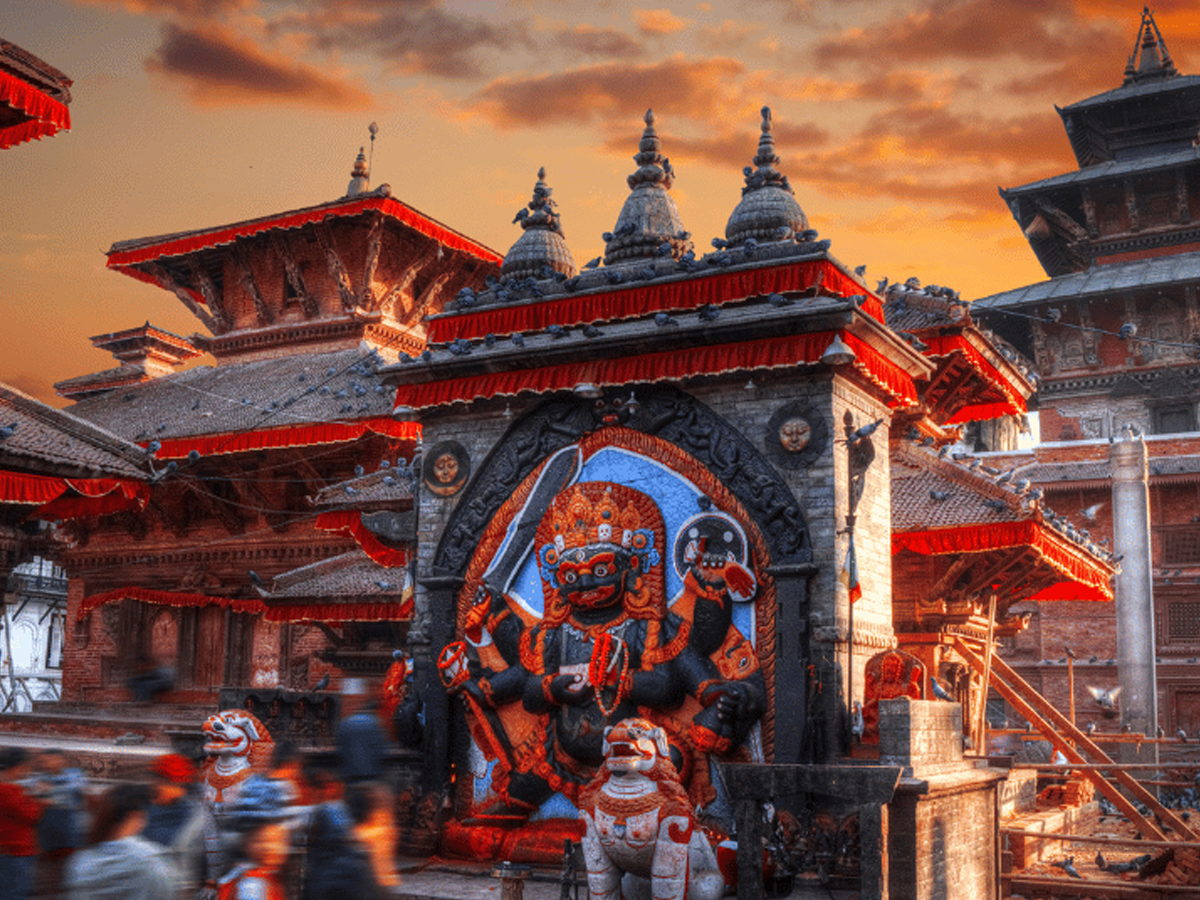
This is one of the most important historical and cultural landmarks in Nepal and a UNESCO World Heritage Site. UNESCO designated Kathmandu Durbar Square as a World Heritage Site in 1979 as part of the Kathmandu Valley cultural listing, recognizing its outstanding universal value in history, architecture, and living heritage.
Kathmandu Durbar Square dates back to as early as the 12th–18th centuries, with most of its current structures built during the Malla period. It served as the royal residence and administrative centre of Nepal’s kings until the construction of the Narayanhiti Palace.
The square has witnessed coronations, royal ceremonies, and important historical events that shaped modern Nepal. Despite damage from the 2015 earthquake, many temples and palaces have been carefully restored.
Major Highlights of Kathmandu Durbar Square
- Hanuman Dhoka Palace Complex – The historic royal palace named after the Hindu deity Hanuman.
- Kumari Ghar (House of the Living Goddess) – Residence of the living goddess Kumari, one of Nepal’s most unique cultural traditions.
- Taleju Temple – A majestic temple dedicated to the royal goddess, open only on special occasions.
- Jagannath Temple – Known for its intricate erotic carvings and artistic wooden architecture.
- Kal Bhairav Statue – A powerful stone statue representing Lord Shiva in his fierce form.
Religious & Cultural Importance
Kathmandu Durbar Square is a living museum of Newari culture, art, and architecture. It reflects a blend of Hindu and Buddhist traditions, with daily rituals, festivals, and local life still active within the square. Major festivals such as Indra Jatra and Dashain are celebrated here with great enthusiasm and royal traditions.
Entry Fee in Kathmandu Durbar Square:
- Foreigners: NPR 1000
- SAARC Nationals: NPR 150
Overall, Kathmandu Durbar Square is the historic heart of the capital city, offering a deep insight into Nepal’s royal past, artistic excellence, and spiritual traditions. It is an essential stop for anyone exploring the cultural heritage of Kathmandu Valley.
2. Swayambhunath Stupa (Monkey Temple)
Swoyambhunath, popularly known as Monkey Temple is one of the oldest and most sacred religious sites in Nepal believed to be more than 2,000 years old, making it one of the oldest stupas in Nepal. The stupa sits at top of a hill west of Kathmandu Valley,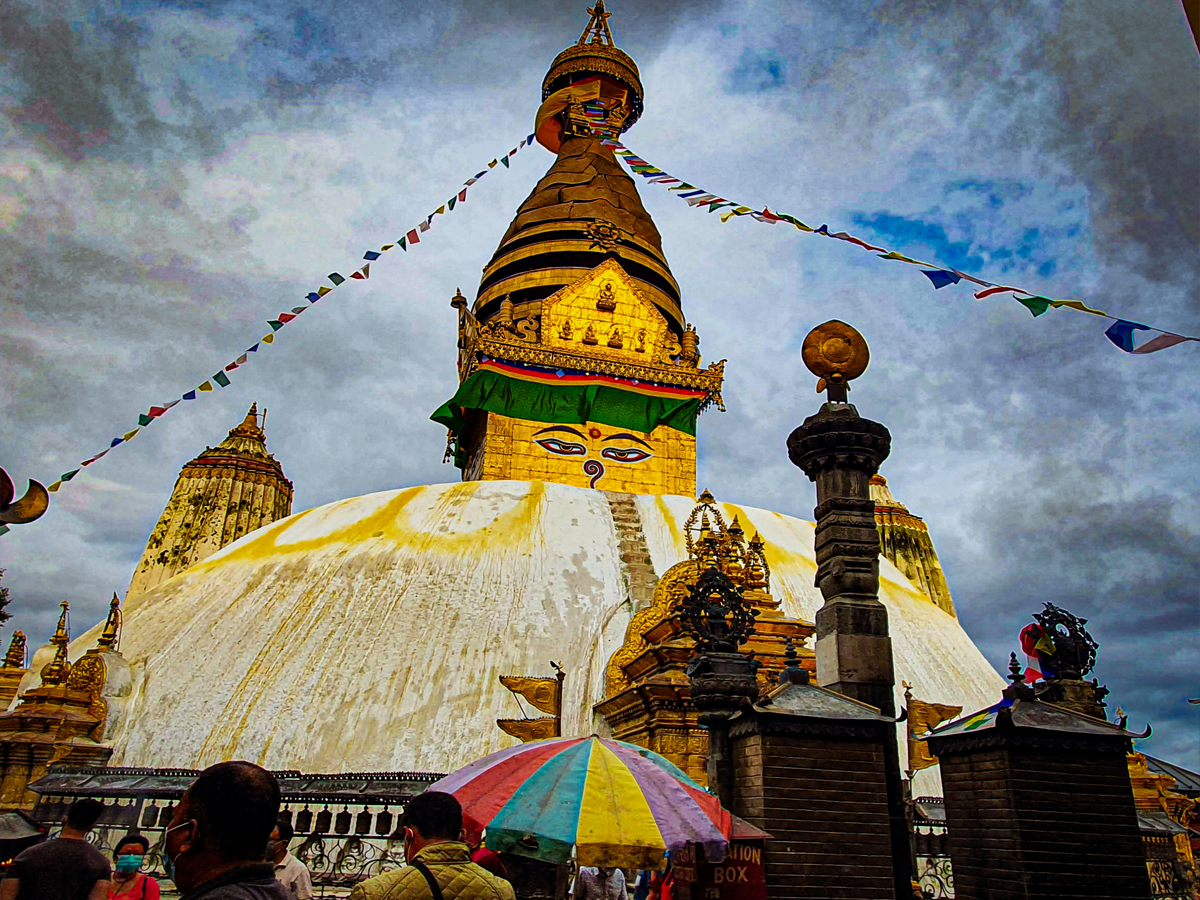 offering stunning panoramic views of the city and surrounding Himalayan foothills.
UNESCO listed Swayambhunath as part of the Kathmandu Valley World Heritage Sites in 1979 due to its outstanding religious, cultural, and historical importance.
According to Buddhist mythology, the Kathmandu Valley was once a giant lake, and the stupa emerged spontaneously when the water receded—hence the name “Swayambhu” meaning “self-created.”
Major Highlights of Swoyambhunath Stupa
- Giant Stupawith Buddha eyes – A massive white dome with a golden spire painted with the all-seeing eyes of Buddha, symbolizing wisdom and compassion.
- Prayer Wheels & Flags – Surrounding the stupa, constantly spun by pilgrims as part of their meditation practice.
- Harati Temple – Dedicated to the goddess of children and protection.
- Monkey Population – Sacred monkeys roaming freely around the complex, adding to its unique identity.
- Panoramic valley views: One of the best sunrise and sunset viewpoints in Kathmandu Valley.
Religious & Cultural Importance
The site is deeply important for both Buddhists and Hindus, symbolizing harmony between the two religions. According to mythology, the Kathmandu Valley emerged from a primordial lake, and Swayambhunath arose spontaneously from a lotus flower.
Entry Fee in Swoyambhunath Stupa
- Foreigners: NPR 200
- SAARC Nationals: NPR 50
Overall, Swayambhunath is a major centre for Buddhist pilgrimage and meditation. Pilgrims walk clockwise around the stupa (kora), chanting mantras and spinning prayer wheels to accumulate merit and peace of mind. It is considered a powerful place for spiritual awakening and mindfulness. It is not only a religious landmark but also a cultural icon of Nepal, offering visitors a deep sense of peace and timeless heritage.
3. Boudhanath Stupa
Boudhhanath stupa is one of the largest Buddhist stupas in the world. The pinnacle of this stupa represents the stages of enlightenment, symbol of royalty, compassion, knowing and nirvana.
Believed to be built in the 5th century AD, during the Licchavi period, this stupa is 100 meters in diameter which is built on an octagonal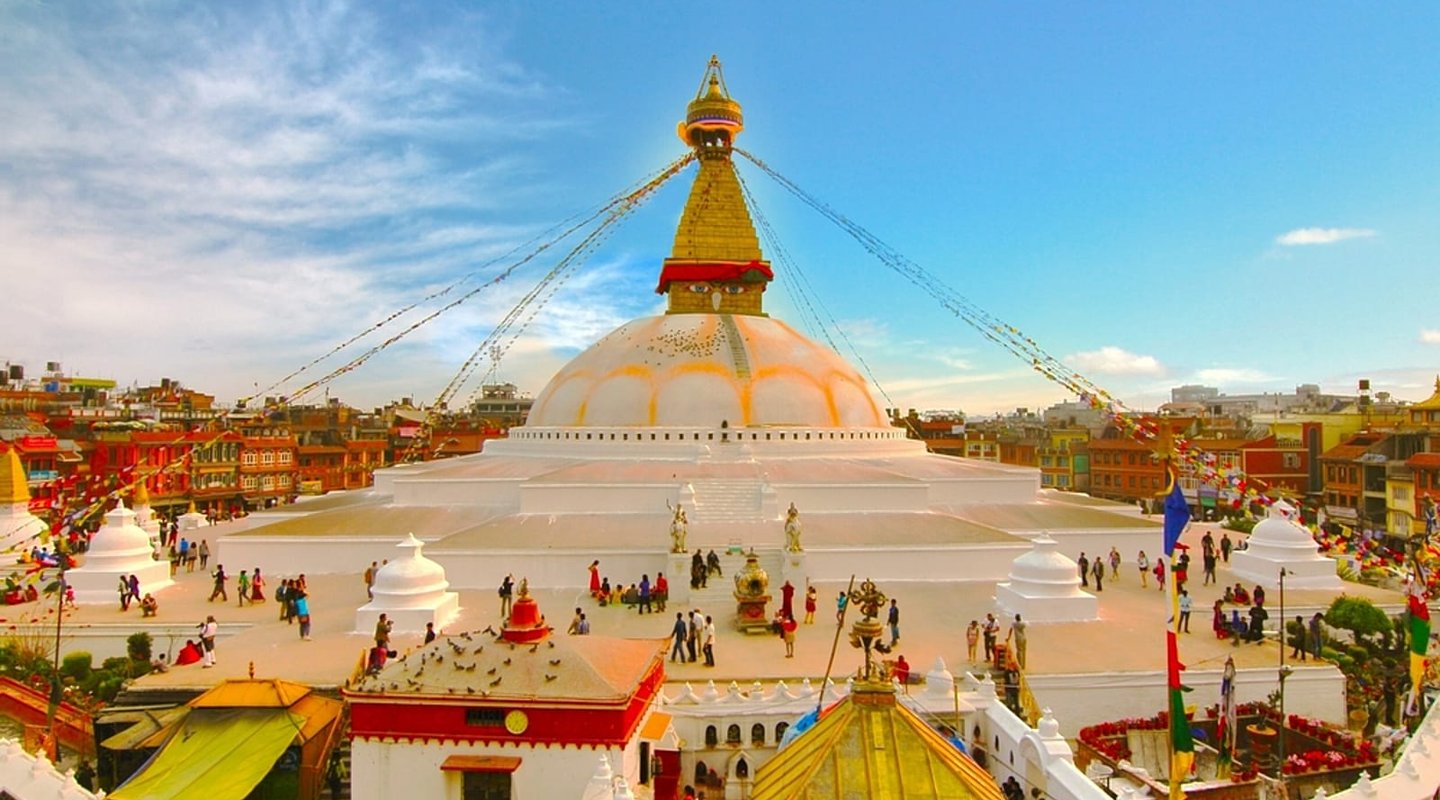 base inset with prayer wheels. According to legend, the stupa was built by a mother who requested land from a king to build a shrine for Buddha Kassapa relics. It became a major Tibetan Buddhist centre after 1959, when Tibetan refugees settled in Kathmandu
The stupa has undergone several major restorations throughout its lifespan. Most recently, it was heavily damaged during the catastrophic April 2015 Nepal earthquake. The stupa has been rebuilt and restored multiple times, especially after earthquake damage.
Major Highlights of Boudhanath Stupa
- Buddha’s Eyes (Wisdom Eyes): The iconic Buddha’s Eyes are painted on all four sides of the stupa's central tower, symbolizing the all-seeing wisdom and compassion of the Buddha. Between the eyes is a Nepali symbol resembling a nose, representing unity and the path to enlightenment, while the third eye signifies spiritual awakening and higher consciousness.
- Massive Mandala Design: Boudhanath Stupa is built in the form of a giant three-dimensional mandala, representing the universe according to Buddhist cosmology. The structure symbolizes the spiritual journey from ignorance to enlightenment and is recognized as one of the largest spherical stupas in the world.
- Kora (Spiritual Circumambulation): One of the most important rituals at Boudhanath is the kora, the practice of walking clockwise around the stupa. Hundreds of pilgrims, monks, and devotees perform this sacred circumambulation daily while spinning prayer wheels, reciting mantras, and chanting “Om Mani Padme Hum,” creating a deeply spiritual atmosphere.
- Tibetan Monasteries and Buddhist Heritage: The stupa is surrounded by more than 50 Tibetan Buddhist monasteries, making it one of the most significant centres of Tibetan Buddhism outside Tibet. Visitors can witness daily prayer ceremonies, monastic rituals, meditation practices, and traditional chanting, offering a unique insight into Tibetan Mahayana Buddhist culture.
- Butter Lamps and Evening Rituals: Devotees light rows of butter lamps as offerings for peace, merit, and remembrance. As dusk falls, the stupa glows under the soft light of lamps and prayer flags flutter in the evening breeze, creating a serene and photogenic setting. Evening prayers and chants add to the site's peaceful spiritual ambiance.
- Cultural and Spiritual Atmosphere: Boudhanath is a vibrant meeting place for monks, pilgrims, local residents, and international travelers. The surrounding streets are lined with prayer flags, incense-filled monasteries, traditional shops, and cafés, creating a harmonious blend of culture, spirituality, and everyday life.
- Rooftop Cafés and Panoramic Views: Several rooftop cafés and restaurants around the stupa offer spectacular panoramic views of the monument and its surroundings. These viewpoints provide excellent opportunities for photography, relaxation, and observing the daily spiritual activities that make Boudhanath one of Nepal’s most captivating cultural landmarks.
Religious & Cultural Importance
The Boudhanath stupa attracts Buddhist pilgrims from Tibet, Bhutan, and around the world. It is surrounded by monasteries, prayer flags, and chanting monks. Early morning and evening are the times to visit Bouddha to join the residents in Kora. There is an enclosure with several monasteries of the different schools of Tibetan Buddhism.
Boudhanath is a vibrant centre of Tibetan Buddhist culture, where visitors can experience traditional prayer ceremonies, chanting monks, colourful prayer flags, and a deeply spiritual atmosphere. Devotees light butter lamps as offerings for peace, blessings, and merit, while the many monasteries and meditation centres surrounding the stupa provide opportunities to observe Buddhist rituals, practice meditation, and learn about Tibetan Buddhism.
Entry Fee in Boudhanath Stupa:
- Foreigners: NPR 400
- SAARC Nationals: NPR 100
- Ticket counter located at main entrances
Best Time to Visit
- Early morning (6–9 AM): peaceful rituals and monks
- Evening (4–7 PM): golden light + butter lamps + chanting
- Avoid midday for photography due to harsh sunlight
Overall, Boudhanath Stupa is one of the most important Buddhist pilgrimage sites in the world and a centrepiece of Kathmandu Valley’s spiritual heritage. It is a UNESCO World Heritage Site and a living monument where daily religious life continues around its massive mandala-shaped structure.
4. Pashupatinath Temple – Sacred Hindu Heritage of Nepal
Pashupatinath Temple is one of the most important Hindu pilgrimage sites in the world and a UNESCO World Heritage Site located on the banks of the Bagmati River in Kathmandu. Dedicated to Lord Shiva in his form as Pashupati (Lord of Animals), this sacred temple complex is a spiritual centre, cultural landmark, and historical treasure of Nepal.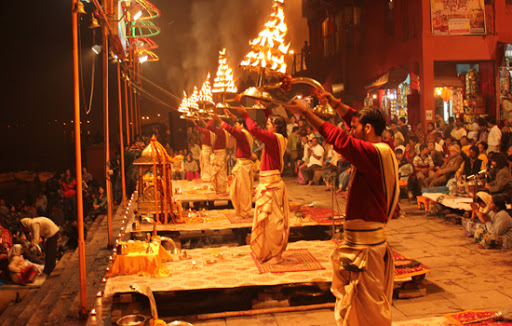
The origins of Pashupatinath date back to ancient times, with references believed to be as early as the 5th century. However, the current main temple structure was rebuilt in the 17th century by King Bhupatindra Malla after earlier structures were damaged.
According to Hindu mythology, Lord Shiva once took the form of a deer and roamed the forests of the Kathmandu Valley. When the gods found him, he attempted to escape and a part of his body (the Shiva Linga) broke into pieces. One piece landed at Pashupatinath, making the site sacred.
Over centuries, the temple has been expanded and preserved by various dynasties, especially the Licchavi and Malla kings, making it one of the oldest continuously worshipped Shiva temples in the region.
Major Highlights of Pashupatinath Temple
- Main Temple Complex: A stunning pagoda-style structure with a golden roof, silver doors, and intricate wooden carvings dedicated to Lord Shiva.
- Bagmati River Ghats: Sacred cremation ghats where Hindu last rites are performed, symbolizing the cycle of life and death.
- Evening Aarati Ceremony: A mesmerizing spiritual ritual performed daily with lamps, bells, chants, and devotional music along the riverbank.
- Sadhus and Ascetics: The temple is home to many Hindu holy men (sadhus), especially during major festivals.
- Maha Shivaratri Festival: The biggest annual celebration attracting thousands of devotees from Nepal and India.
- Surrounding Shrines: Dozens of smaller temples, statues, lingams, and sacred spaces within the complex.
Religious & Cultural Importance
Pashupatinath holds immense spiritual significance for Hindus:
- Thousands of Hindu pilgrims visit the temple every year, especially during Maha Shivaratri festival.
- One of the 12 Jyotirlingas (symbolic manifestations of Lord Shiva) traditions
- A major site for pilgrimage and devotion to Lord Shiva
- Believed to grant moksha (liberation from rebirth) when cremation rites are performed on the Bagmati River representing the spiritual cycle of life and death.
- A powerful centre for Shaivism (worship of Shiva) in Nepal
- Thousands of devotees visit daily for prayer, rituals, and spiritual cleansing.
- A living spiritual center where rituals are performed daily
- A place where life, death, and rebirth are deeply connected through rituals
- This is main pagoda-style temple where Sadhus and Hindu prepare the rituals every evening.
- Arya Ghat cremation area is also one of the major attractions for tourists to observe during their visit
- Strong symbol of Nepalese religious identity and cultural heritage
Visitors Information
- Location: Kathmandu, Nepal
- Best time to visit: Early morning or evening (for Aarati ceremony)
- Dress code: Modest clothing recommended
- Entry rules: Non-Hindus are restricted from entering the main sanctum
- Photography: Allowed in most outer areas (restricted inside certain zones)
Entry Fee in Pashupatinath Temple:
- Foreigners: NPR 1000
- Indian Citizens: Free
- Citizens of SAARC countries (except Nepal and India): NPR 1,000 per person
Note: Please note that only Hindus are permitted to enter the main temple sanctum. Non-Hindu visitors can explore the temple complex, view the temple from the eastern bank of the Bagmati River, visit surrounding shrines, and observe the cultural and religious activities within the UNESCO World Heritage Site area.
Overall, Pashupatinath Temple is not only a temple but a deeply spiritual experience. It represents the essence of Hindu belief in life, death, and liberation. With its ancient history, sacred rituals, and vibrant atmosphere, it remains one of the most significant religious landmarks in South Asia.
5. Patan Durbar Square
Located in the heart of Lalitpur (Patan), it is renowned for its extraordinary Newari architecture, ancient royal palaces, intricately carved temples, and vibrant living culture.
Patan is often called the “City of Fine Arts” due to its deep-rooted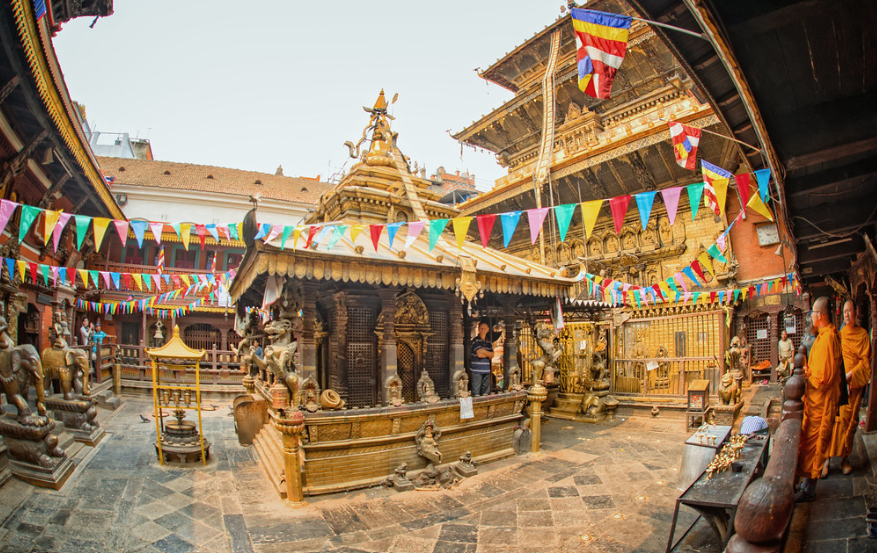 tradition in sculpture, painting, metalwork, and architecture. The square is a living heritage site where Hinduism and Buddhism coexist harmoniously.
Patan Durbar Square was once the royal palace complex of the Malla kings of Lalitpur, dating back to the 3rd century, with major developments during the 16th–18th centuries. The square has also undergone restoration after the 2015 earthquake, preserving its cultural essence while rebuilding damaged structures.
UNESCO listed Patan Durbar Square as part of the Kathmandu Valley World Heritage Site in 1979, recognizing its outstanding universal value in art, architecture, and culture.
Patan Durbar Square is not just a historical site—it is a living museum of Nepal’s artistic legacy. It offers a perfect blend of spirituality, architecture, and culture, making it a must-visit destination in any Kathmandu Valley itinerary.
Major Highlights of Patan Durbar Square
- Krishna Mandir – A stunning stone temple dedicated to Lord Krishna, built entirely in Shikhara style architecture.
- Golden Temple (Hiranya Varna Mahavihar) – A sacred Buddhist monastery known for its golden facade and intricate metalwork.
- Patan Museum – One of the finest museums in South Asia, showcasing traditional Nepali art, religious artifacts, and historical treasures.
- Royal Palace Complex – Ancient courtyards and balconies once used by the Malla kings.
- Mul Chowk, Sundari Chowk & Keshav Narayan Chowk – Beautiful inner courtyards reflecting royal lifestyle and artistry.
- Celebration of Local festivals: Local festivals such as Rato Machhindranath Jatra and Krishna Janmashtami are celebrated with great devotion and cultural processions.
Religious & Cultural Importance
- Patan flourished during the Malla period and became a centre of architecture and Buddhist learning.
- Former royal palace complex of the Malla Kings, showcasing Nepal's rich historical and cultural heritage.
- Important centre of both Hinduism and Buddhism, reflecting the harmonious coexistence of the two religions.
- Home to numerous temples, shrines, courtyards, monasteries (bahals), and traditional Newar architecture.
- Features the iconic Krishna Mandir, one of Nepal's finest stone temples dedicated to Lord Krishna.
- Preserves centuries-old Newar art, woodcarving, metalwork, and craftsmanship traditions.
- Venue for major religious festivals, cultural celebrations, and traditional processions throughout the year.
- Serves as a living museum of Nepalese history, spirituality, and architectural excellence.
- Recognized as part of the UNESCO World Heritage Site of the Kathmandu Valley for its outstanding cultural significance.
Entry Fee
- Foreigners: NPR 1000
- SAARC Nationals: NPR 250
Overall, Patan Durbar square is home to numerous Hindu and Buddhist monuments, symbolizing the harmonious coexistence of the two faiths in the Kathmandu Valley. Temples such as the famous Krishna Mandir, along with various monasteries (bahals) and stupas, serve as important centers of worship and religious activities throughout the year.
6. Bhaktapur Durbar Square – “Living Museum of Newar Culture”
Bhaktapur Durbar Square is one of the most beautifully preserved medieval palace squares in Nepal and a UNESCO World Heritage Site located in the historic city of Bhaktapur, about 13 km east of Kathmandu. It is often called a “living museum” because of its rich art, architecture, traditions, and vibrant local life.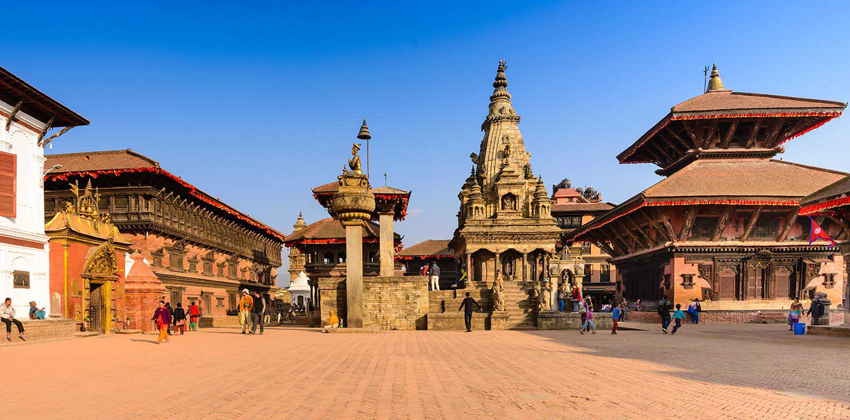
Bhaktapur Durbar Square was developed between the 12th and 18th centuries and reached its architectural and cultural peak during the reign of the Malla kings, who were renowned patrons of art, architecture, and craftsmanship. The square served as the royal palace complex of the former Bhaktapur Kingdom and became the political, religious, and cultural centre of the city.
During the reign of King Bhupatindra Malla there has been significant expansion and beautification had taken place who commissioned many of the temples, palaces, and monuments that still define the square today. His contributions helped establish Bhaktapur as one of the most artistically accomplished cities in the Kathmandu Valley.
The square suffered considerable damage during the devastating 2015 Nepal Earthquake, which affected several historic structures and monuments. However, extensive restoration and reconstruction efforts have carefully preserved its original architectural beauty and cultural significance.
Today, Bhaktapur Durbar Square stands as a remarkable symbol of the golden age of Newar civilization. Its temples, courtyards, palaces, and intricate wood and stone carvings reflect centuries of cultural evolution, exceptional craftsmanship, and the rich royal heritage that continues to attract visitors from around the world.
Major Highlights of Bhaktapur Durbar Square
- 55-Window Palace: A stunning royal palace known for its intricately carved wooden windows and elegant façade, representing the peak of Newari craftsmanship.
- Vatsala Temple: A beautiful stone temple dedicated to Goddess Vatsala Devi, known for its bell and detailed stone architecture.
- Nyatapola Temple: Located in nearby Taumadhi Square, this is Nepal’s tallest pagoda temple with five tiers symbolizing strength and protection.
- Pottery Square: A traditional area where locals still produce handmade clay pots using ancient techniques.
- Golden Gate (Lun Dhwakha): An exquisite golden entrance leading to the royal palace courtyard, considered one of the finest metal artworks in the world.
- Traditional Newar Life: The square is surrounded by: ancient houses, local markets, artisans and woodcarvers & Cultural festivals and rituals.
Religious & Cultural Importance
Bhaktapur Durbar Square is not just a monument but a living cultural hub:
- Former royal palace complex of the Malla kings and the historic heart of the ancient Bhaktapur Kingdom.
- Home to numerous Hindu temples, shrines, courtyards, and sacred monuments that remain active places of worship.
- Showcases the finest examples of traditional Newar architecture, woodcarving, stone sculpture, and metal craftsmanship.
- Serves as a major centre for religious festivals, cultural ceremonies, and traditional community gatherings. Enter of Newar art, architecture, and traditions
- Important religious festivals like Bisket Jatra
- Preservation of centuries-old craftsmanship
- Daily life still deeply connected with heritage
- Represents the golden age of Newar civilization and its contribution to Nepal's cultural identity.
- Bhaktapur preserves authentic Newari traditions, art, music, and festivals that have continued for centuries.
Entry fees in Bhaktapur Durbar Square:
- SAARC Nationals: NPR 500
- Chinese Nationals: NPR 500
- Other Foreign Nationals: NPR 2000 P/P
Overall,Bhaktapur Durbar Square is a masterpiece of medieval Nepalese architecture and culture. With its palaces, temples, courtyards, and living traditions, it offers visitors an authentic glimpse into the artistic and spiritual heritage of the Newar civilization.
7. Changu Narayan Temple – Oldest Hindu Temple of Nepal
Changunarayan Temple is one of the oldest Hindu temples in Nepal and a UNESCO World Heritage Site located on a hilltop near Bhaktapur, close to Kathmandu. Dedicated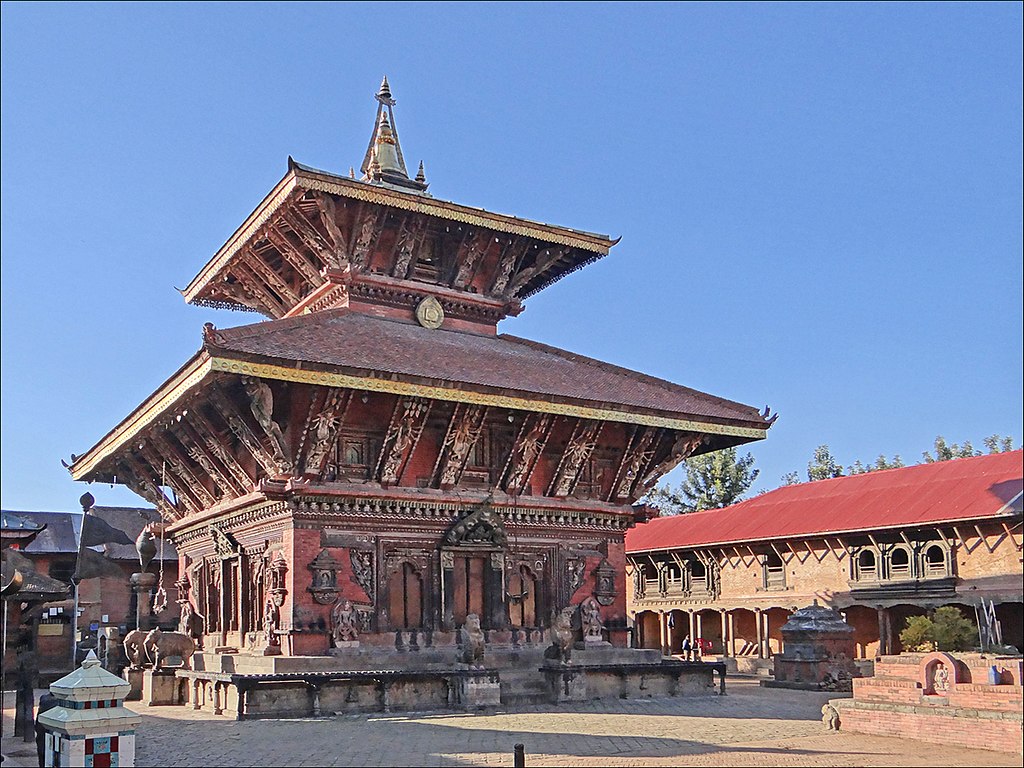 to Lord Vishnu, this sacred temple is renowned for its ancient architecture, intricate stone and wood carvings, and deep historical significance.
The origins of the Changunarayan temple dates back to the 4th century during the Licchavi period, making it widely considered the oldest surviving Hindu temple in Nepal.
- Built during King Haridatta Verma’s reign
- Expanded and restored by later Licchavi and Malla rulers
- Dedicated to Lord Vishnu in his Narayan (preserver) form
- Inscription on stone pillar dated 464 AD is one of the oldest in Nepal
- The temple has survived earthquakes and time, preserving centuries of Nepalese art and religious heritage.
Located on a scenic hilltop near Bhaktapur, Changu Narayan Temple is one of Nepal’s oldest Hindu temples and a UNESCO World Heritage Site. The temple is renowned for its ancient stone inscriptions, exquisite Licchavi-era sculptures, intricate wood carvings, and the traditional Newari village that surrounds it, offering a glimpse into Nepal's rich cultural heritage.
Major Highlights of Changu Narayan
- Ancient Architecture: A classic Nepali pagoda-style temple with detailed wooden struts, stone statues, and traditional craftsmanship.
- UNESCO World Heritage Site: Recognized for its cultural, historical, and artistic importance as part of the Kathmandu Valley heritage.
- Stone Inscriptions: Home to one of the oldest known stone inscriptions in Nepal dating back over 1,500 years.
- Museum-Like Surroundings: The temple courtyard contains ancient sculptures of: Garuda (Vishnu’s vehicle), Vishnu avatars (Narasimha, Vishvarupa, etc.) andstone carvings from different eras
- Panoramic Hilltop Views: Located on a ridge, it offers peaceful views of Bhaktapur valley, terraced fields, and distant Himalayas.
Religious & Cultural Importance
Changunarayan Temple is dedicated to Lord Vishnu (Narayan) and holds strong spiritual value:
- Worshipped as a protector deity (preserver of the universe)
- Important pilgrimage site for Hindus
- Believed to bring blessings of protection and prosperity
- Associated with ancient Hindu mythology and legends
- A living example of early Hindu art and architecture in Nepal
- Strong connection to Licchavi-era civilization
- Important spiritual centre for Vishnu devotees
- Symbol of Nepal’s rich historical continuity
Visitor Information
- Location: Bhaktapur District, Nepal
- Altitude: Hilltop near Kathmandu Valley
- Best time to visit: Morning or late afternoon
- Dress code: Modest attire recommended
- Photography: Allowed in most areas
- Duration: 1–2 hours sightseeing
Entry fees of Changunarayan Temple:
The entrance fees for Changunarayan temple till date are as below:
- Foreign Nationals: NPR 300
- SAARC Nationals: NPR 100
Overall,Changunarayan Temple is a timeless treasure of Nepal’s cultural and spiritual heritage. As the oldest Hindu temple in the country, it offers visitors a unique combination of ancient history, religious devotion, artistic mastery, and peaceful natural surroundings.
8. Lumbini – Birthplace of Lord Buddha
Lumbini is one of the most sacred pilgrimage sites in the world and the birthplace of Lord Gautam Buddha. Located in the southern plains of Nepal, it is a UNESCO World Heritage Site and a major center of peace, meditation, and Buddhist learning.
Major Highlights of Lumbini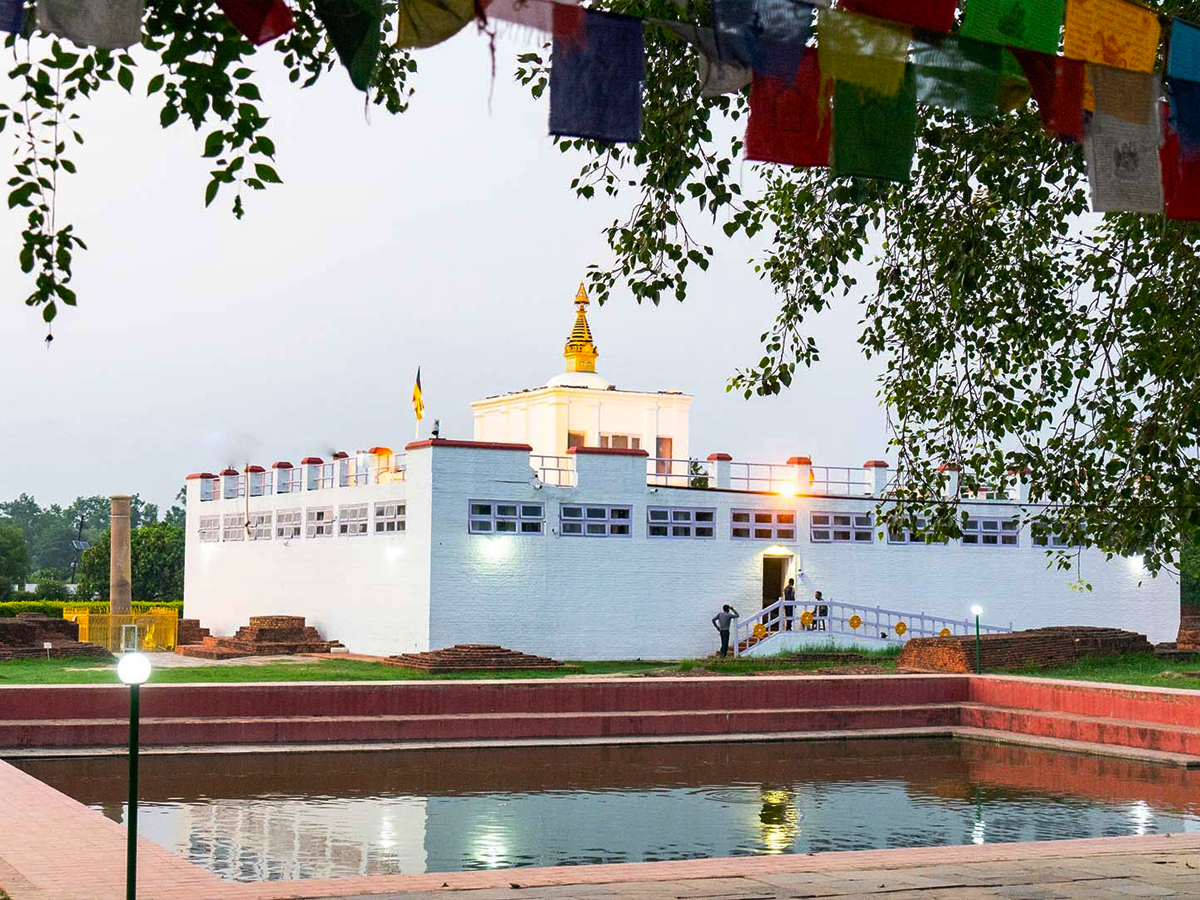
1. Maya Devi Temple: The most sacred spot in Lumbini, marking Buddha’s exact birthplace.
2. Sacred Garden: A peaceful area with ancient ruins, prayer flags, and meditation spaces.
3. Ashokan Pillar: Built by Emperor Ashoka to honor Buddha’s birthplace, with historic inscriptions.
4. Monastic Zone: Divided into Eastern (Theravada) and Western (Mahayana/Vajrayana) zones featuring monasteries built by different countries like: Thailand, Myanmar, China, Germany, Korea & France and more.
5. Lumbini Crane Sanctuary: A natural habitat for endangered Sarus cranes and other birds.
Historical Significance
Lumbini holds immense historical and spiritual importance as it is believed that Queen Mayadevi gave birth to Siddhartha Gautama (Buddha) here in 623 BCE.
Key historical elements include:
- The Maya Devi Temple, marking the exact birthplace
- The Ashokan Pillar, erected by Emperor Ashoka in 249 BCE confirming the site
- Ancient ruins and monastic remain from early Buddhist civilizations
The site was rediscovered and developed into a major pilgrimage destination in modern times.
Religious & Cultural & Spiritual Importance
Lumbini is one of the four major Buddhist pilgrimage sites in the world, along with:
- Bodh Gaya (India) – Enlightenment
- Sarnath (India) – First sermon
- Kushinagar (India) – Parinirvana
- It is sacred to: Buddhists worldwide (Theravada, Mahayana, Vajrayana), Peace seekers and spiritual travellers & Scholars of history and archaeology
- Pilgrims from around the world visit Lumbini to meditate and pay homage to Buddha.
Visitor Information
- Location: Rupandehi District, Nepal
- UNESCO Status: World Heritage Site
- Best time to visit: October–March
- Activities: Pilgrimage, meditation, monastery visit, cycling around monastic zone
- Recommended stay: 1–2 nights
Entry Fee
Overall, Lumbini is the sacred birthplace of Lord Buddha and one of the most important spiritual destinations in the world. With its ancient history, peaceful gardens, and international monastic zone, it offers a deeply meaningful experience for pilgrims and travellers alike.
Why Visit UNESCO World Heritage Sites in Nepal?
Nepal’s UNESCO World Heritage Sites offer more than sightseeing. They provide an opportunity to experience:
- Ancient history and architecture
- Hindu and Buddhist spirituality
- Traditional festivals and rituals
- Unique local cultures and lifestyles
- Natural beauty and wildlife
Every heritage site in Nepal tells a story of devotion, art, civilization, and harmony.