1. Nepal Is Politically Safe for Trekkers
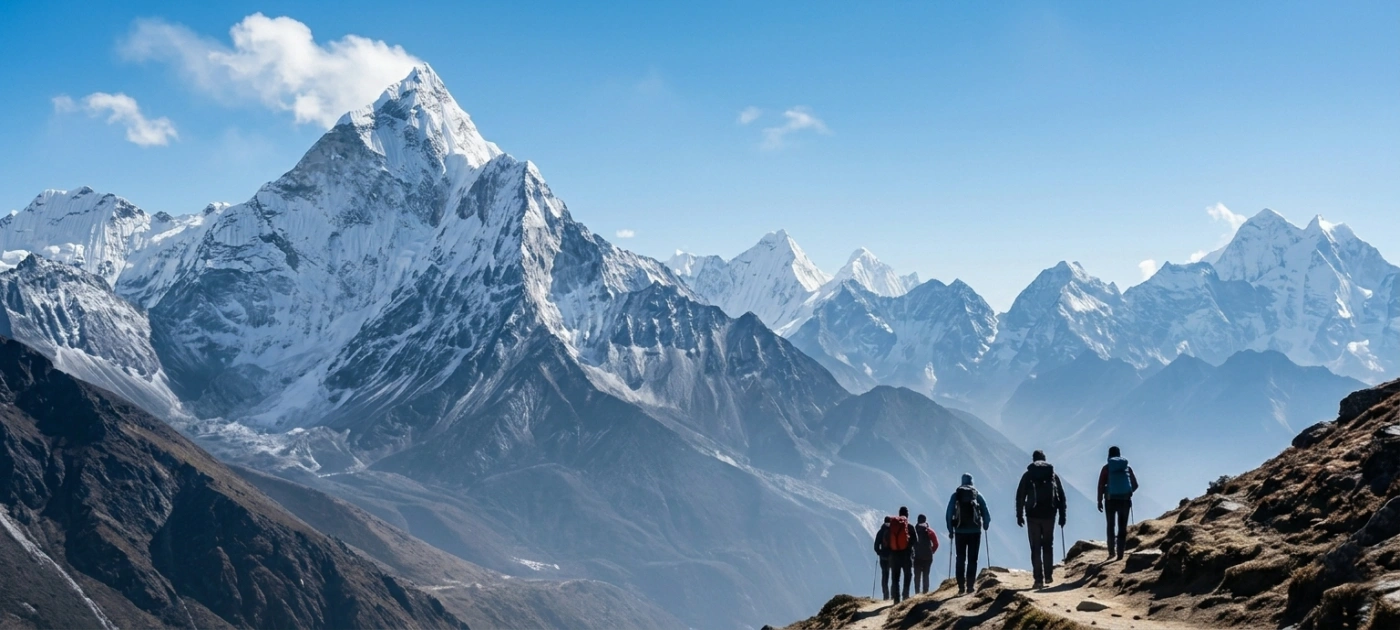
The good news: Nepal is politically stable enough for tourism in 2026.
Yes, like any country, Nepal has occasional strikes or road protests. But these rarely affect trekkers.
What you should know:
- All major trekking routes (Everest, Annapurna, Langtang, Manaslu, Upper Mustang, etc) remain open and active
- Domestic flights, permits, and trekking operations continue normally
- Trekking regions are peaceful and welcoming
Our honest view:
Political instability is not the main safety concern in Nepal.
The real concerns are: altitude, weather, choosing the right agency, and making smart decisions in the mountains.
2. Altitude Sickness — The Biggest Real Risk
If there's one thing every trekker should take seriously, it's this:
Altitude sickness is the number one trekking risk in Nepal.
Not politics. Not crime. Not scams.
What happens:
Above 2,500 meters, there's less oxygen. If you go too high too fast, you can get sick. In serious cases, it can be life-threatening.
Mild symptoms:
- Headache
- Tiredness
- Dizziness
- Loss of appetite
Dangerous symptoms:
- Severe headache
- Repeated vomiting
- Confusion
- Trouble walking
- Shortness of breath at rest
If serious symptoms appear, immediate descent is necessary.
How we keep you safe:
✅ Proper acclimatization days built into itineraries
✅ Experienced guides who monitor your health daily
✅ Emergency equipment (oximeter, oxygen, first aid)
✅ Flexible schedules — we never rush
What you should do:
- Walk slowly
- Drink enough water
- Tell your guide if you feel unwell
- Never hide symptoms to "be strong"
Important truth: Even fit, young trekkers can get altitude sick. Fitness doesn't protect you — proper acclimatization does.
3. Weather Is Changing — Be Flexible
Let's be honest: weather in Nepal is less predictable than 10–15 years ago.
Climate change is affecting the Himalayas. We see it ourselves.
What's changed:
- Rain can come in unexpected months
- Storms can be stronger
- Snowfall patterns are less predictable
- Landslides happen more often after heavy rain
This doesn't mean trekking is unsafe.
It means: you need flexibility and guides who understand mountain conditions.
Best trekking seasons in 2026:
Spring (March–May)
- Blooming rhododendrons
- Warmer temperatures
- Great mountain views
Autumn (late September–November)
- Best visibility
- Dry trails
- Most popular season
Winter (December–February)
- Fewer crowds, crystal-clear skies
- Colder, but manageable with proper gear
- Great for lower and medium-altitude treks
What we do for safety:
✅ Check weather forecasts daily
✅ Stay in regular contact with guides
✅ Keep flexible itineraries
✅ Change plans if conditions become unsafe
Bottom line: Nepal is safe for trekking — but it requires awareness, flexibility, and local knowledge.
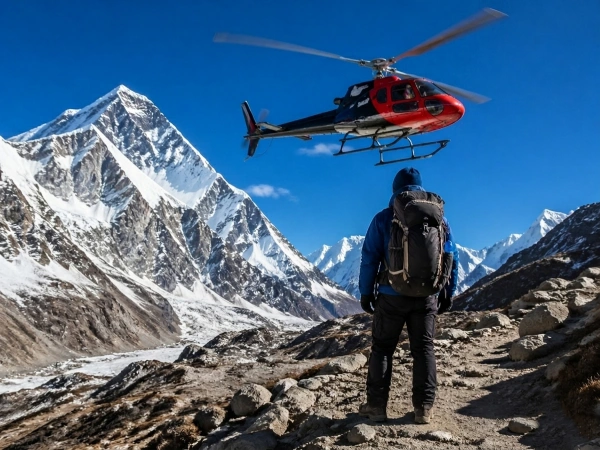
4. The Helicopter Rescue Scam — And How to Protect Yourself
We need to talk openly about this.
Over the last few years, some dishonest operators especially in the Everest region have:
- Exaggerated trekkers' health conditions
- Pressured people into unnecessary helicopter evacuations
- Used insurance claims for profit
This became known internationally as the Everest heli scam, and it damaged Nepal's reputation.
The truth:
Sometimes helicopter rescues are absolutely necessary. Helicopters save lives.
But not every headache needs a helicopter.
How to protect yourself:
Before booking:
✅ Choose a long-established, licensed agency
✅ Read real reviews on Google and TripAdvisor
✅ Avoid suspiciously cheap packages
✅ Ask clearly about emergency procedures
During the trek:
✅ If someone says you need a helicopter, ask why
✅ Ask if descent is possible first
✅ Contact your insurance company directly if possible
✅ Get clear medical reasons before agreeing
Our promise:
❌ We will never arrange a helicopter rescue for profit
✅ We recommend evacuation only when genuinely needed
✅ We always consider descent, rest, and observation first
✅ We help you contact your insurance provider directly
Our reputation matters more than quick money.
5. You Need Proper Travel Insurance
Yes. 100% yes.
Please don't trek in Nepal without proper insurance.
If something goes wrong, rescue and treatment can be very expensive.
Your insurance should cover:
✅ Emergency helicopter evacuation
✅ High-altitude trekking (check altitude limits)
✅ Medical treatment in Nepal
✅ Hospitalization and repatriation
Important: Read your policy yourself. Don't assume everything is covered.
Check these points:
- What altitude are you covered up to?
- Does it cover trekking above 4,000m, 5,000m, or 6,000m?
- Does it include emergency air rescue?
- Does it require a licensed guide?
After the helicopter scam cases, insurance companies are stricter. They may ask for medical reports and documentation.
We help by:
✅ Providing necessary documents
✅ Coordinating with rescue services
✅ Supporting communication with your insurer
But the policy must be yours, and you should understand it before trekking.
So, Is Nepal Safe for Trekking in 2026?
Yes — Nepal is safe for trekking in 2026.
But safe trekking depends on how you prepare and who you trek with.
Nepal is safe when:
✅ You choose a reliable, licensed agency
✅ You have proper travel insurance
✅ You follow acclimatization rules
✅ You trek in the right season
✅ You listen to your guide
✅ You're honest about your health and fitness
The biggest real risks:
- Altitude sickness
- Rushing the itinerary
- Poor planning
- Unqualified operators
Low risks:
- Crime against trekkers
- Political unrest affecting tourism
- Wildlife attacks
Our honest opinion after 25 years:
Nepal is not dangerous in the way some people imagine.
But it's not a place for careless travel either.
The mountains are safe for people who respect them.
And when you trek with the right support, Nepal remains one of the most unforgettable destinations on Earth.
Ready to Trek Safely in Nepal?
We are Asian Adventure Treks & Expedition, based in Thamel, Kathmandu. We've been organizing Himalayan journeys since 2001.
Through changing governments, earthquakes, changing weather, and tourism challenges, one thing has stayed the same:
We put safety, honesty, and client care first.
📧Email:info@asiantreks.com / asianadventure8848@gmail.com
📱WhatsApp: +977 9860156046
📍Office: Thamel, Kathmandu, Nepal
🌐Website:www.asiantreks.com