Highlights of Api Himal Base Camp Trekking
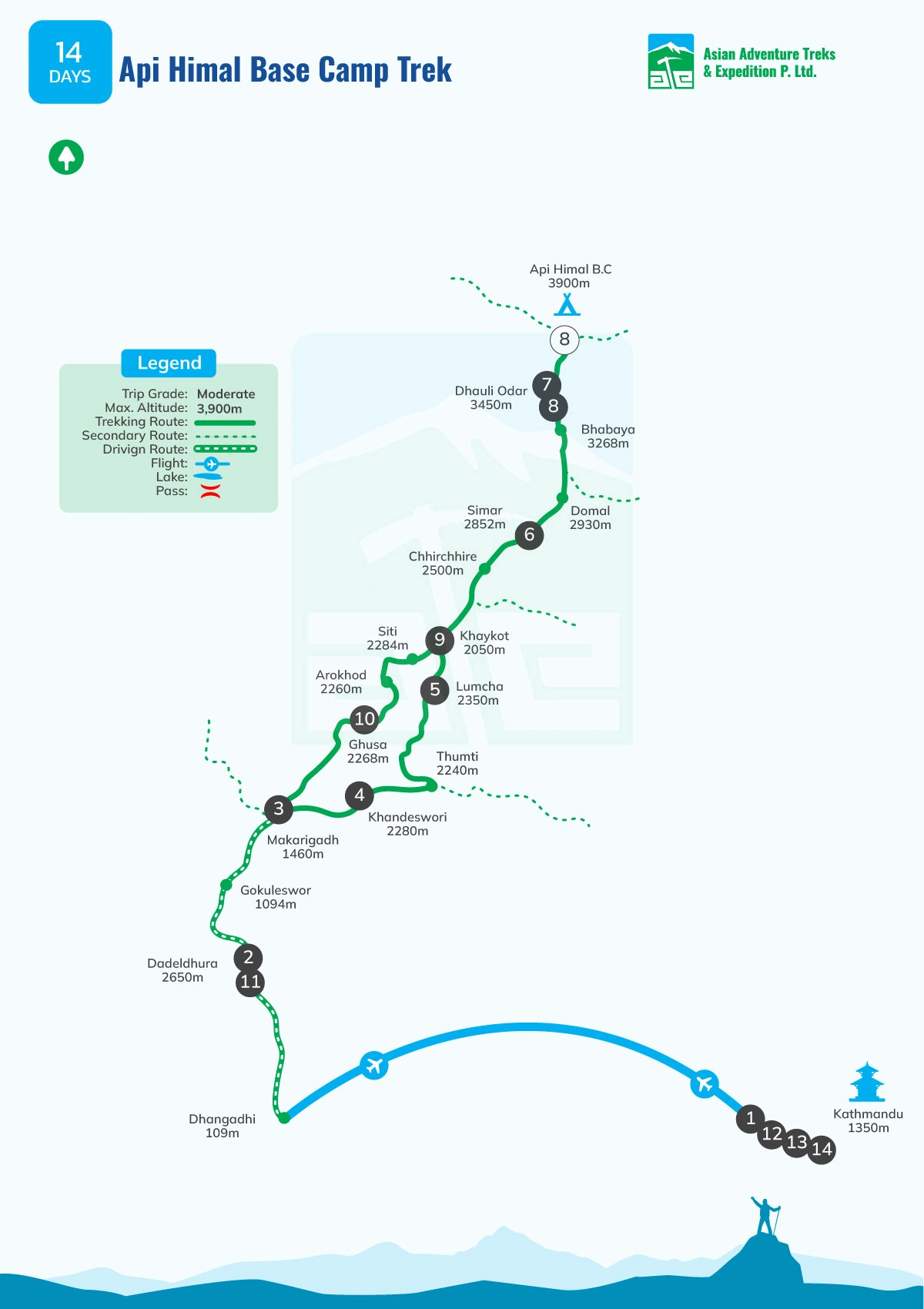
- Trek to the Api Base Camp (3900 m) of the majestic Api Himal (7132 m), one of the highest peaks in far western Nepal.
- Explore the pristine wilderness of the Api Nampa Conservation Area which is home to diverse flora, fauna, and rare Himalayan wildlife.
- Experience one of Nepal’s most remote and least-visited trekking regions, far from the crowded trails of Everest and Annapurna.
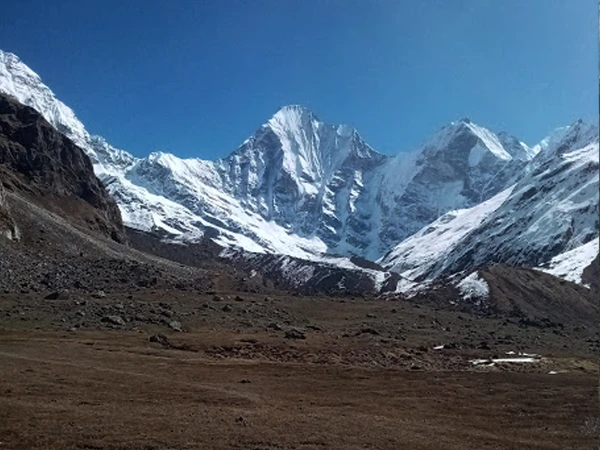
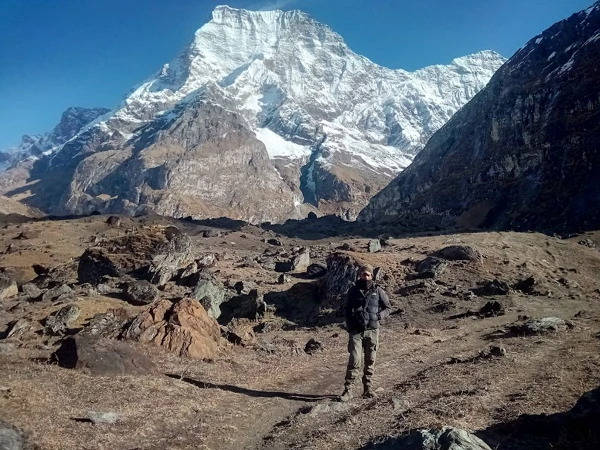
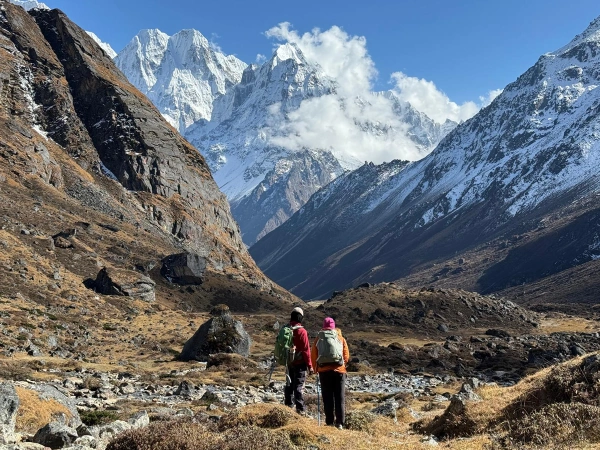
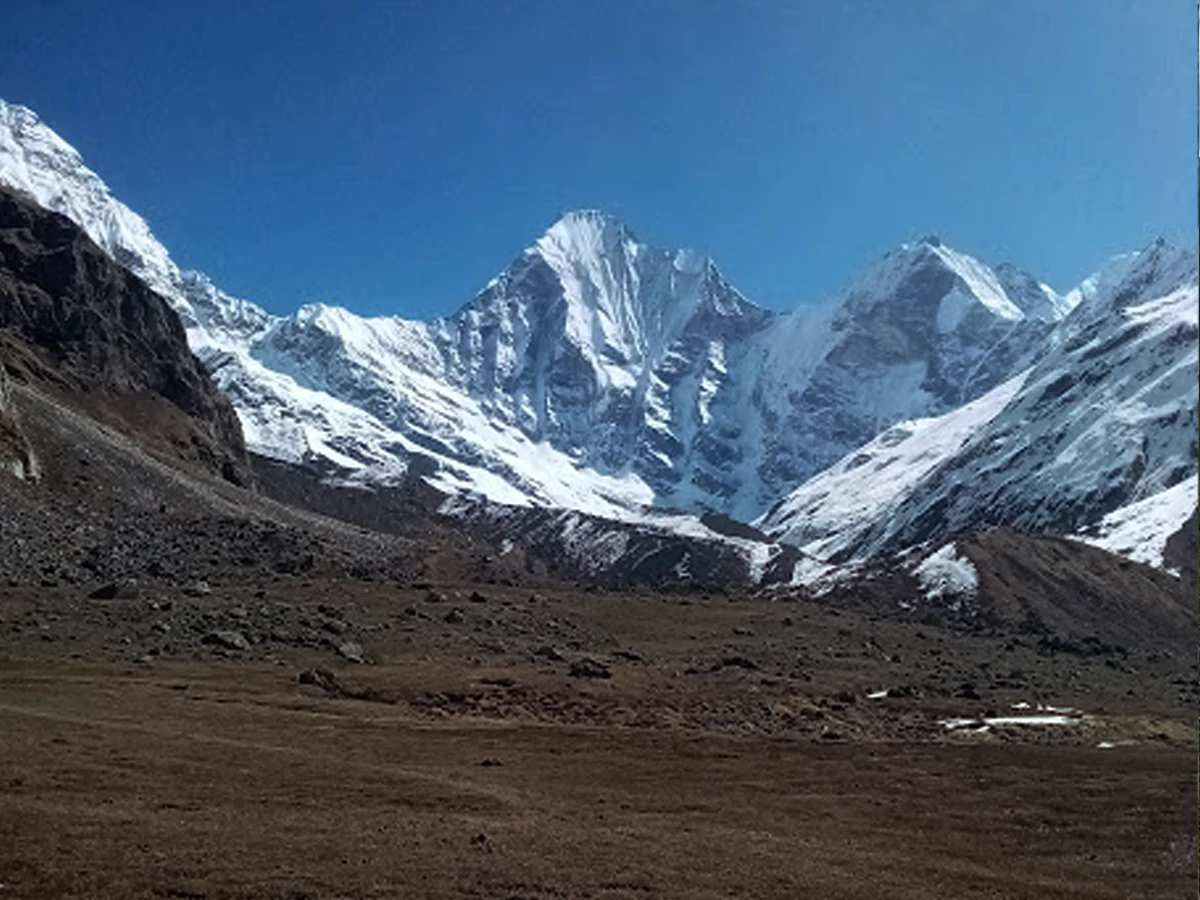
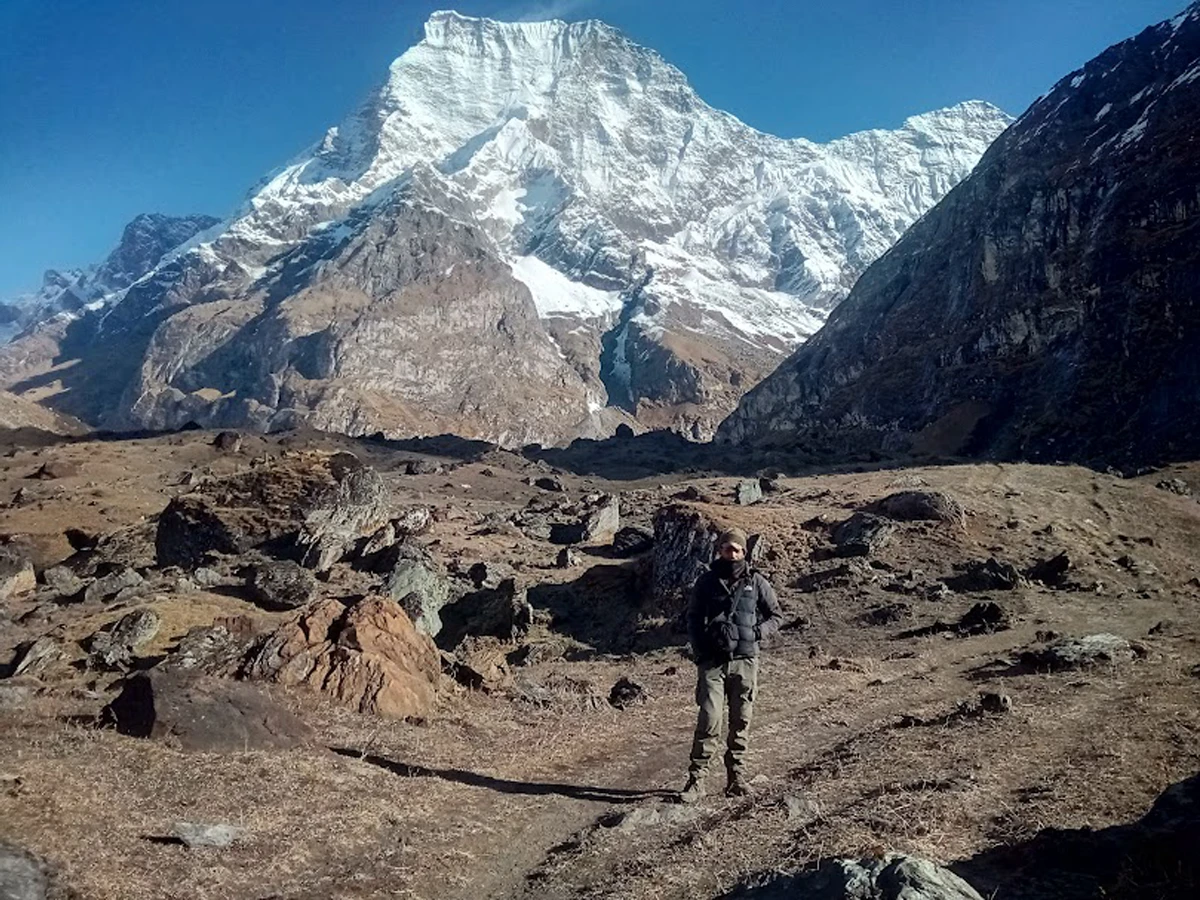
- Enjoy spectacular views of Api (7132 m), Nampa (6929 m) & Bobaye (6808 m), and numerous snow-capped peaks along the Nepal–India border.
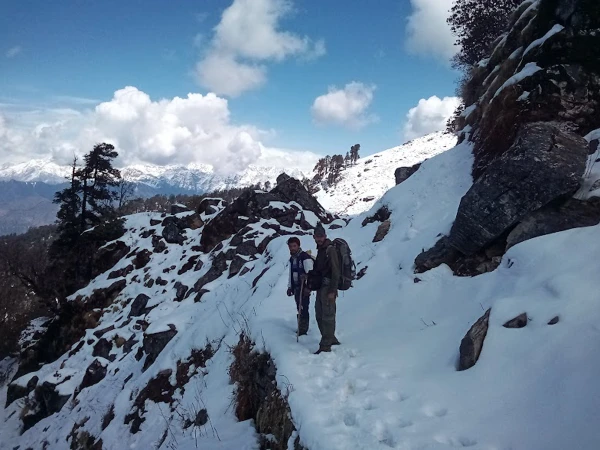
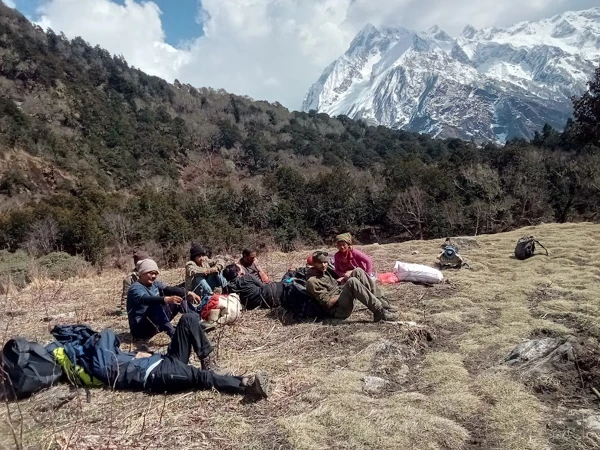
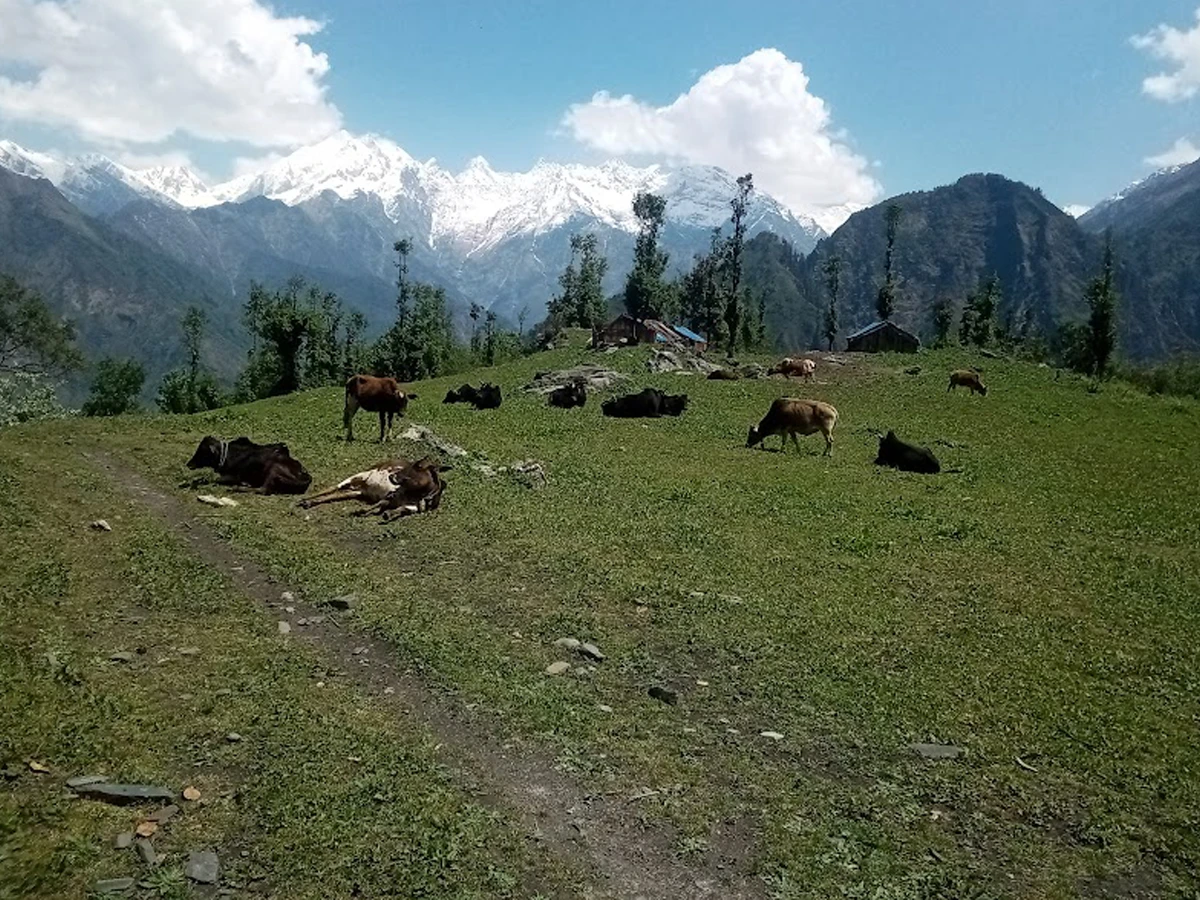
- Walk through untouched forests of pine, oak, rhododendron, and juniper, along with beautiful alpine meadows and glacial valleys.
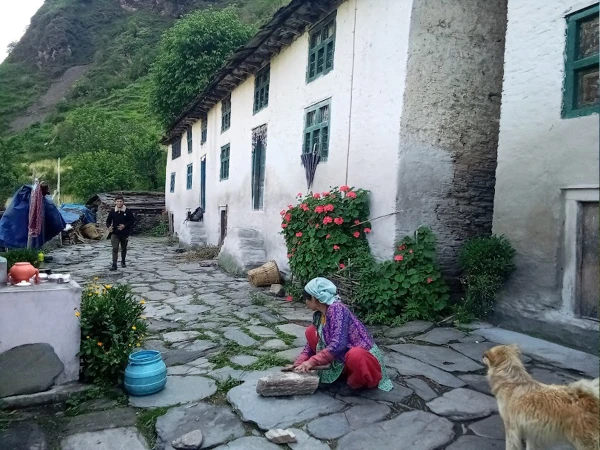
- Visit traditional villages inhabited by the Byansi, Chhetri, and other local communities, preserving their unique culture and lifestyle.
- Discover ancient temples, local myths, and spiritual traditions deeply connected to the surrounding mountains.
- Camp beside crystal-clear rivers, waterfalls, and high-altitude pastures in a truly wild Himalayan setting
- Discover the remote villages of far-western Nepal, home to Doteli-speaking Hindu communities that maintain a strong connection to their ancestral way of life.
- Encounter rich biodiversity, including Himalayan thar, musk deer, blue sheep, Himalayan monal, and other wildlife found within the conservation area.
- Experience authentic camping trekking with minimal modern infrastructure, making the journey ideal for adventure seekers looking for an off-the-beaten-path Himalayan expedition.
"Trek to Api Himal Base Camp – Hidden Gem in Nepal’s Far West"
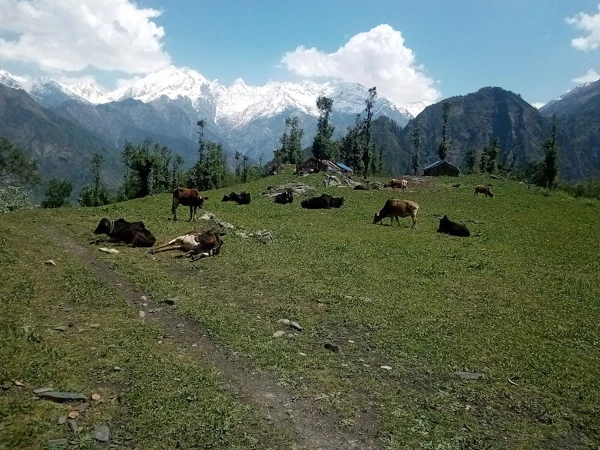
Api Base Camp is a hidden gem of a trek which sees only a few visitors each year, making it ideal for those looking for a truly non-touristy adventure. The trail passes through traditional villages, dense forests, alpine meadows, and high-altitude pastures, eventually reaching the dramatic base camp of Api Himal, where towering snow-capped peaks dominate the skyline.
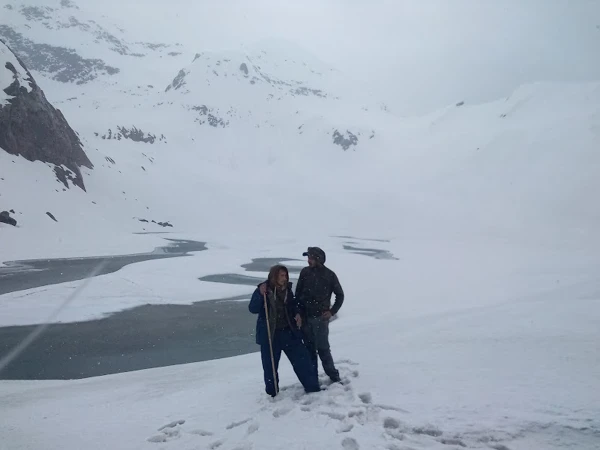
The far western region trekking to Api boasts awe-inspiring scenery, including wide grassland valleys, sacred mountain lakes, and stunning views of Himalayan giants like Api (7132 m), Nampa (6929 m), and Bobaye (6808 m), along with several lesser-known peaks. Many of the lakes along the trail are considered sacred, adding spiritual depth to the journey.
Api Himal remains one of Nepal’s most isolated and least developed trekking routes. With minimal infrastructure and no commercialization, the experience is both raw and rewarding—offering an immersive look into remote mountain life and a rare chance to connect deeply with nature and culture in Nepal’s far western frontier.
The Api Himal Trek is a camping-based Himalayan adventure in far-western Nepal, offering an opportunity to explore the untouched and immense natural beauty of this remote region.
Understanding the Difficulty of the Api Himal Base Camp Trek
Api Himal Trek is considered a Moderatelychallenging trek due to its remote location, camping-based nature, and limited infrastructure. Unlike the popular Everest or Annapurna regions, the trails are less developed and often involve long walking days through rugged terrain, dense forests, river valleys, and high mountain landscapes. Trekkers should be prepared for basic conditions, frequent ascents and descents, and limited access to modern facilities.
Although the trek does not require technical climbing skills, a good level of physical fitness and endurance is essential. The highest point of the trek, Api Himal Base Camp (around 3900 meters), can also bring mild altitude-related challenges, making proper acclimatization important.
The remoteness of the region adds to the difficulty, as evacuation options, medical facilities, and communication services are limited compared to Nepal’s more established trekking areas. However, for trekkers with previous hiking experience and a sense of adventure, the Api Himal Trek is highly rewarding, offering untouched wilderness, authentic local culture, and magnificent views of the sacred Api Himal and surrounding Himalayan peaks.