Overview of Trekking Seasons in Nepal
Nepal experiemce four main seasons, and each offering a different trekking experience:
|
Seasons
|
Months
|
Trekking Conditions
|
|
Spring
|
March – May
|
Best weather, blooming rhododendrons
|
|
Summer / Monsoon
|
June – August
|
Rainy, lush landscapes, fewer crowds
|
|
Autumn
|
September – November
|
Peak season, clear skies
|
|
Winter
|
December – February
|
Cold, great for low-altitude treks
|
1. Spring (March to May): Best for Flowers & Mountain Views
Spring is one of the most popular and best seasons for trekking, peak climbing and expeditions in Nepal. The weather is stable, temperatures are moderate, and the rhododendron forests bloom beautifully.
Weather
- Day temperature: 10°C – 20°C
- Clear mornings, occasional afternoon clouds
- Snow at higher passes gradually melts
- Everest Region Treks
- Annapurna Base Camp Trek
- Ghorepani Poon Hill Trek
- Annapurna Circuit Trek
- Kanchenjuna Circuit Trekking
- Manaslu Circuit Trek
- Langtang Valley Trek
- Makalu Base Camp Trek
- Rolwaling Valley Trek
- Tashi Lapcha Trek - Rolwaling
Why Trek in Spring?
- Rhododendron forests in full bloom
- Excellent visibility of Himalayan peaks
- Ideal for high-altitude trekking and peak climbing
Ideal for: First-time trekkers, photographers, and classic Himalayan routes.
2. Summer / Monsoon (June to August): Green Trails & Off-the-Beaten-Path Treks
Monsoon trekking is often overlooked, but it can be rewarding for certain regions. Although rain affects most regions, some areas remain dry due to their rain-shadow location.
Weather
- Warm and humid
- Frequent rain in central Nepal
- Clearer skies in rain-shadow areas
- Upper Mustang Trek
- Upper Dolpo Trek
- Lower Dolpo Trek
- Nar Phu Valley Trek
- Annapurna Circuit with Nar Phu Trek
- Tsum Valley Trek
Why Trek in Monsoon?
- Lush landscapes and waterfalls
- Fewer trekkers and lower costs
- Ideal for cultural and restricted-area treks
Ideal for:Experienced trekkers seeking remote and less crowded routes.
3. Autumn (September to November): Peak Trekking Season in Nepal
Autumn is considered the best time for trekking in Nepal due to crystal-clear mountain views, dry trails, and comfortable temperatures.
Weather
- Dry, stable, and cool weather
- Day temperature ranges from: 10°C – 18°C
- Crisp mountain visibility
- Excellent visibility after monsoon
- Everest Base Camp Trek
- Everest Three Passes Trek
- Annapurna Circuit Trek
- Annapurna Base Camp Trek
- Kanchenjunga Base Camp Trek
- Makalu Base Camp Trek
- Dhaulagiri Circuit Trek
- Rolwaling Tasihi Lapcha Pass Trek
- Mera Peak & Amphu Lapcha Trekking
- Api Himal Base Camp Trek
- Lower & Upper Dolpo Trek
Why Trek in Autumn?
- Best panoramic mountain views
- Stable trail conditions
- Major festivals like Dashain & Tihar add cultural value
Ideal for:High-altitude treks, long routes, and serious trekkers.
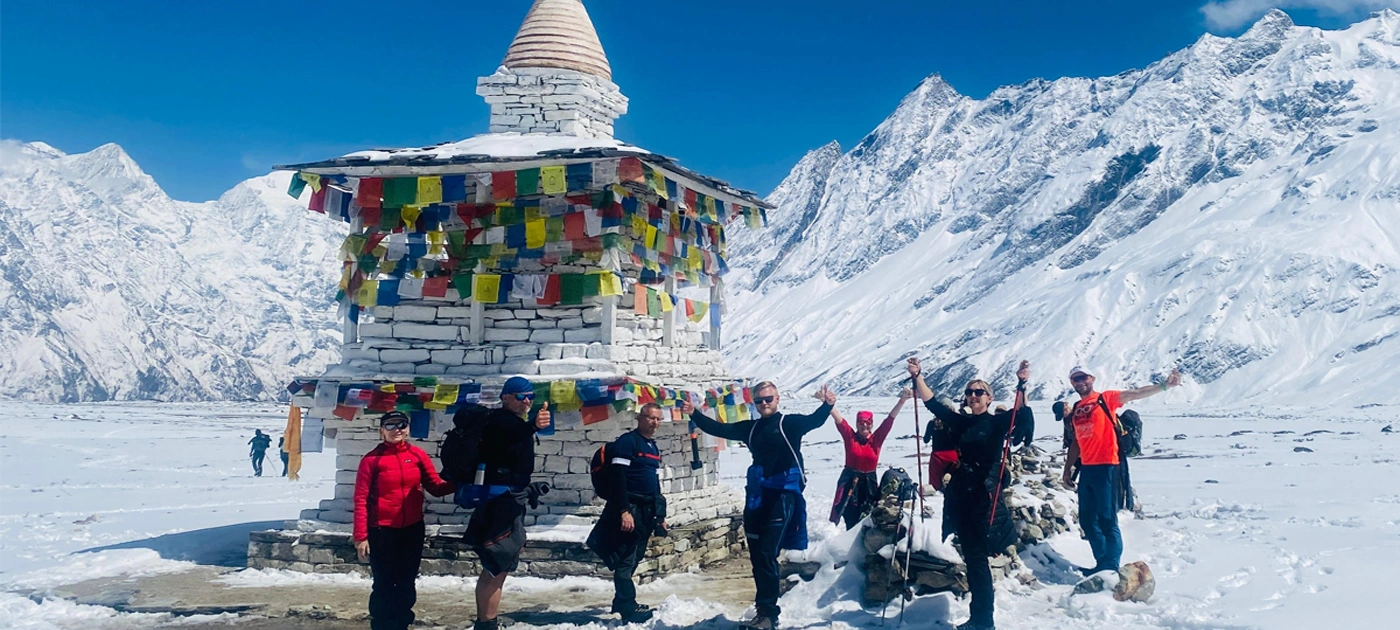
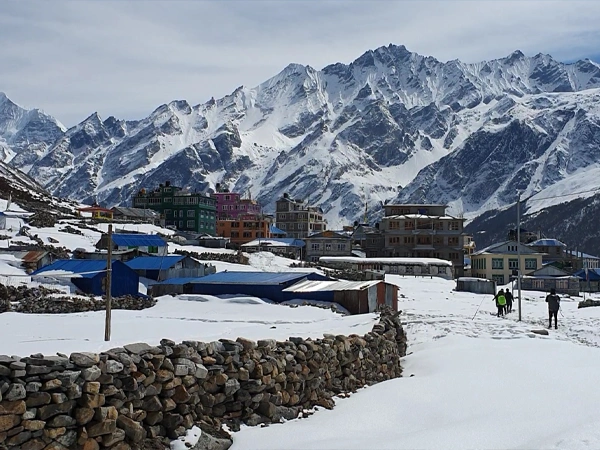
4. Winter (December to February): Quiet Trails & Budget-Friendly Trekking
Winter trekking is ideal for those seeking solitude and lower prices.
Weather
- Cold, especially at night
- Snow above 4,000 meters
- Clear skies in lower regions
Best Trekking Routes in Winter
- Ghorepani Poon Hill Trek
- Mardi Himal Trek
- Helambu - Langtang Trek
- Pikey Peak Trek
- Annapurna Base Camp Trek
- Langtang Valley Trekking
- Everest Base Camp Trek
Why Trek in Winter?
- Fewer crowds
- Clear views in lower elevations
- Best for short and moderate treks
Ideal for:Budget travelers, short treks, and peaceful experiences.
Best Time for Trekking in Nepal by Region
|
Region
|
Best Season
|
|
Everest Region
|
March–May & Sept–Nov
*(Winter options)
|
|
Annapurna Region
|
March–May & Sept–Nov
*(Winter options)
|
|
Manaslu Region
|
Spring & Autumn
|
|
Langtang Region
|
Spring, Autumn & Winter
|
|
Kanchenjunga & Makalu
|
Spring & Autumn
|
| Mustang & Dolpo Region |
Spring, Summer & Autumn
(May–October) |
| Rolwaling Refion |
Spring & Autumn |
Which Season Should You Choose?
1. First-time Trekkers:
-
Best Season: Autumn (September–November) or Spring (March–May)
-
Why: Clear skies, moderate temperatures, and well-established trails.
2. Photographers:
-
Best Season: Autumn & Spring
-
Why: Stunning Himalayan views, colorful rhododendrons in spring, golden landscapes in autumn.
3. Budget Travelers:
-
Best Season: Winter (December–February) or Monsoon (June–August)
-
Why: Fewer tourists mean lower prices for hotels, tea houses, and trekking permits.
4. Avoid Crowds & Snow:
5. Remote & Cultural Trekkers:
-
Best Season: Monsoon
-
Ideal Regions: Mustang, Dolpo, Upper Humla
-
Why: These regions are in rain shadow areas, offering lush landscapes and rich cultural experiences.
6. Flower Lovers & Nature Enthusiasts:
7. Adventure & High-altitude Trekkers:
-
Best Season: Autumn or Spring
-
Why: Stable weather, ideal for crossing high passes like Thorong La, Kang La, or French Pass.
8. Winter Wonderland Enthusiasts:
-
Best Season: December–February
-
Why: Snow-covered trails and peaks create magical landscapes, perfect for photography and solitude.
9. Offbeat & Less Crowded Trails:
-
Best Season: Late Monsoon to Early Autumn (August–September)
-
Why: Trails in Upper Dolpo, Manaslu, and Upper Mustang are accessible with fewer tourists.
The best time for trekking in Nepal for 2026 depends on your trekking route, altitude, and personal preferences. While spring and autumn remain the top choices by travellers, in recent scenario - Winter is being perfect time with good weather and maximum visibility for trekkers. To sum up, Nepal offers year-round trekking opportunities for well-prepared adventurers.