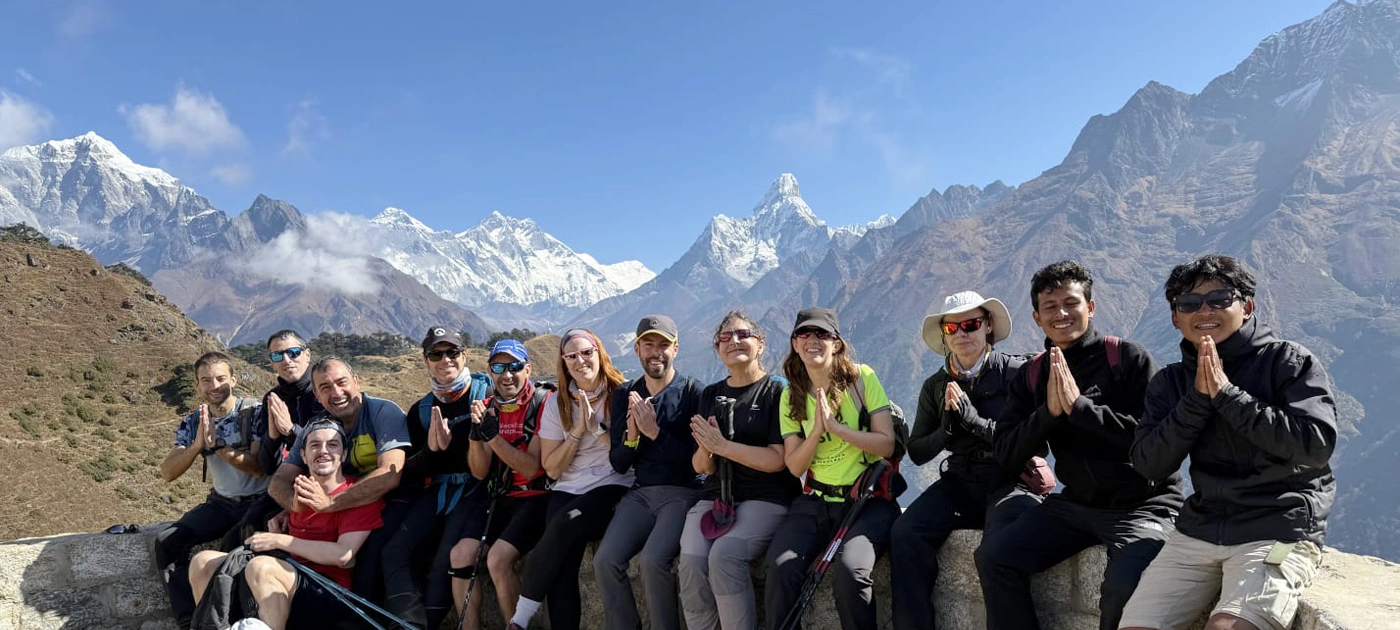
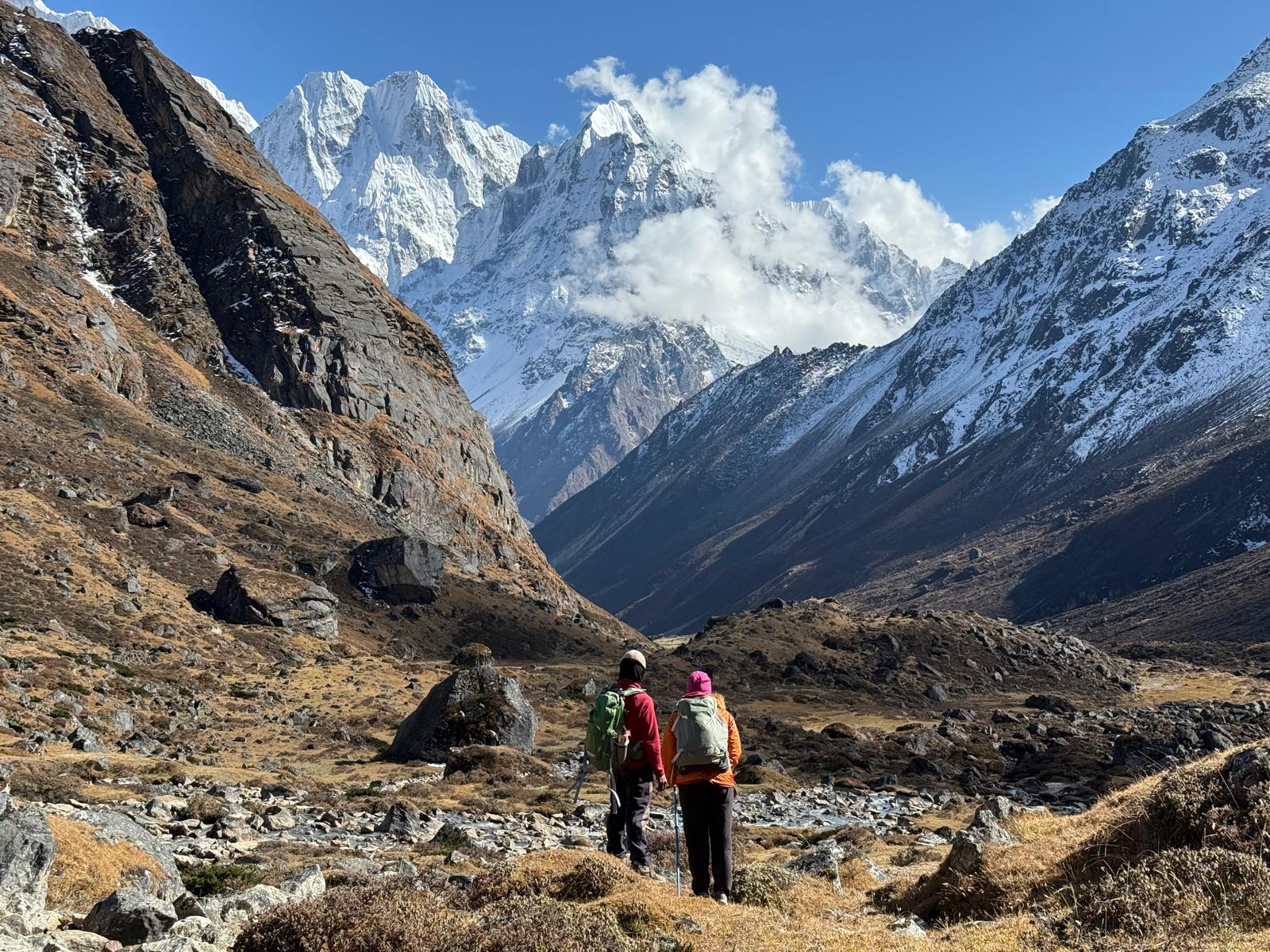
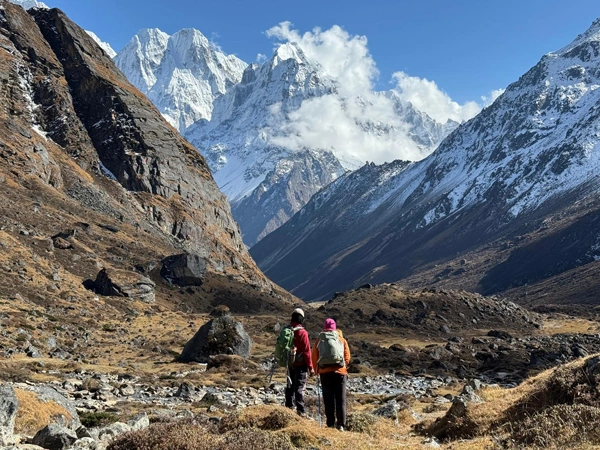
Nepal, where towering peaks meet rich traditions and vibrant landscapes is a paradise for trekkers and adventure enthusiasts. From towering peaks and serene valleys to cultural villages and rugged trails, Nepal offers a trekking experience for every level of adventurer.
Nestled in the heart of the Himalayas, this small yet diverse country - ‘Nepal’ offers towering mountains, rich biodiversity, vibrant culture, and warm-hearted people. From ancient monuments and heritage sites to bustling towns and serene villages, Nepal is a treasure trove of history and traditions waiting to be discovered.
Tourism in Nepal spans from the easternmost to the westernmost regions, with each destination offering something unique. Whether it’s the snow-capped peaks of the Himalayas, the lush green valleys, or the sacred temples and monasteries, every corner of Nepal has its own story and charm.
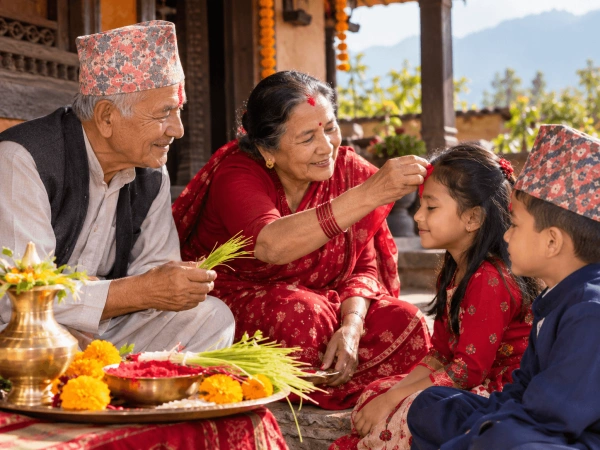
Nepal is not just about mountains—it is a land deeply rooted in culture and religion. Hinduism and Buddhism are practiced widely, and visitors can witness the harmonious blend of traditions, festivals, and rituals across the country.
Nepal truly is a destination where adventure, culture, and natural beauty converge, offering unforgettable experiences for every type of traveller. Whether you’re seeking challenging high-altitude climbs, scenic lake routes, or immersive cultural experiences, these top 10 treks in Nepal are must-consider journeys for every explorer.
Located in the easternmost region of Nepal, Kanchenjunga trek takes you to the base of the world’s third-highest peak - Mount Kanchenjunga (8586 m). This is one of the restricted trekking area in Nepal.
Unlike the well-trodden trails of Everest or Annapurna, the Kanchenjunga region is remote and isolated, giving trekkers a true sense of adventure and solitude. Trekking here means encountering untouched landscapes, remote villages, diverse flora and fauna, and breathtaking mountain vistas that few travellers get to witness.
Difficulty: Strenuous
Duration: 14/18/22 Days (Depend on trekking option)
Best Time: The ideal seasons for Kanchenjunga Trek are Autumn (September–November) and Spring (March–May).
Permits: Special Restricted Area Permit + Kanchenjunga Conservation Area Permit (KCAP)
(Minimum of 2 pax required for trekking in Kanchenjunga)
Highlights: Remote villages, Kanchenjunga Base Camp, rare wildlife, pristine landscapes
Options for Kanchenjunga Trekking:
Kanchenjunga North Base Camp Trek: A remote and tranquil trek offering stunning views of Kanchenjunga’s northern face and pristine Himalayan landscapes.
Kanchenjunga South Base Camp Trek: A challenging trek through lush valleys and traditional villages, leading to breathtaking views of Kanchenjunga’s southern slopes.
Kanchenjunga Circuit Trek: For experienced trekkers seeking a more challenging route, this trek includes high passes, remote valleys, and spectacular panoramas.
Why Kanchenjunga Trekking is Special:
You’ll walk through pristine forests, high-altitude meadows, and traditional Limbu and Sherpa settlements. Wildlife enthusiasts may spot red pandas, Himalayan black bears, and a variety of exotic birds along the way. The trek also offers rich cultural experiences, as you pass through villages where ancient customs are still alive.
Opened to trekkers since the decade of 1991, Manaslu Circuit lies in the west-central region of Nepal and takes you around Mount Manaslu (8163 m) - the eighth-highest peak in the world.
This trek is getting popular in recent days which offers a perfect combination of adventure, culture, and stunning Himalayan scenery, passing through remote villages, lush forests, high mountain passes, and traditional Buddhist monasteries. Unlike popular trekking routes, Manaslu Circuit or Manaslu Base Camp trek offers solitude and a sense of authentic exploration.
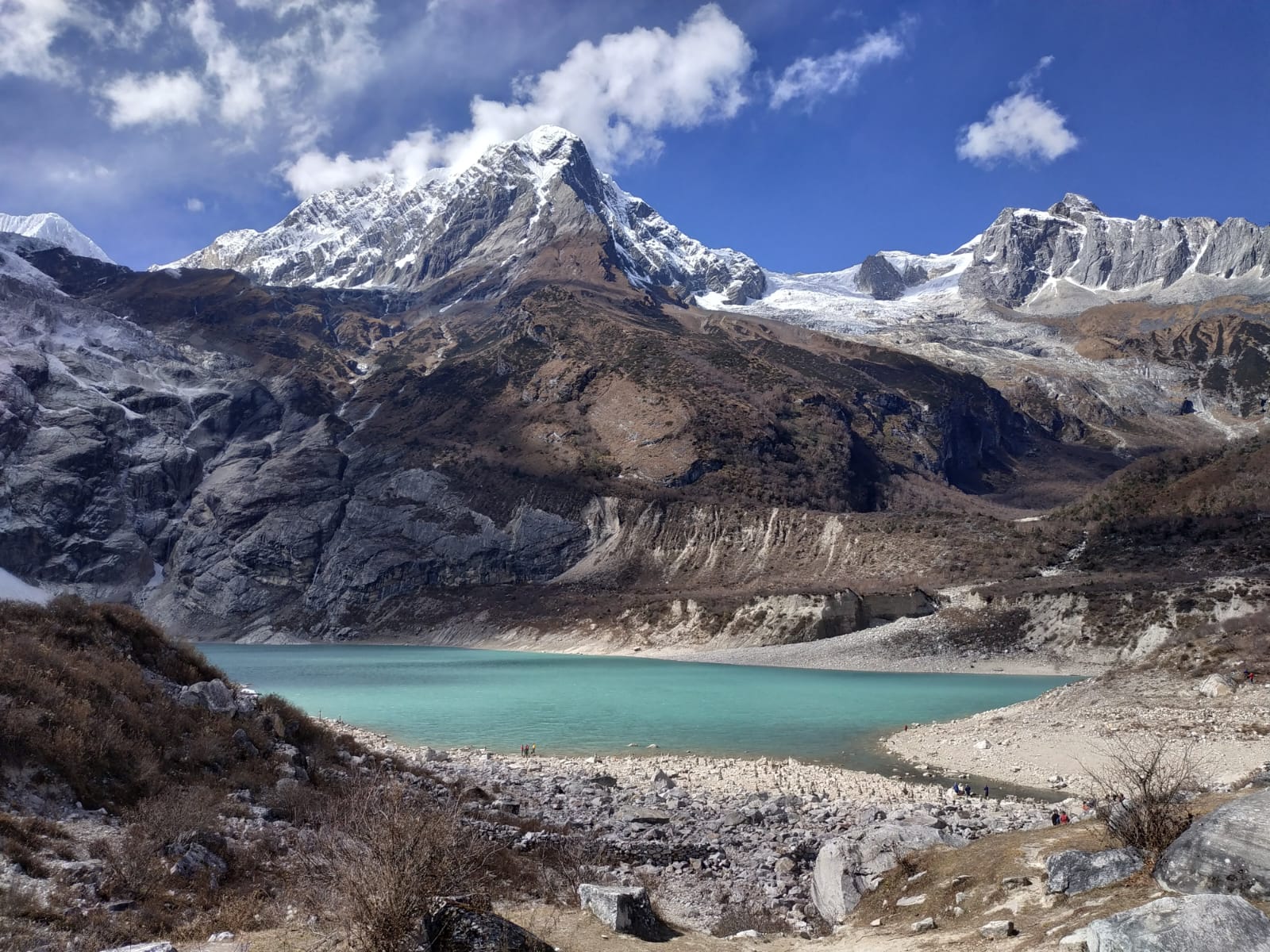
Birendra Lake, Manaslu
Difficulty: Strenuous
Duration: 15-17 days
Best Time: The ideal seasons for Manaslu Trekking are Autumn (September–November) and Spring (March–May). Manaslu Base Camp trek can be done in Winter as well, with well equipped clothing.
Permits: Special Restricted Area Permit + Manaslu Conservation Area Permit (MCAP) + Annapurna Conservation Area Permit (ACAP) + Manaslu Gaupalika Permit
(Minimum of 2 pax required for trekking in Manaslu)
Highlights: Remote villages, Manaslu Base Camp, Larkya La Pass (5106 m), Tibetan culture, remote landscapes. A challenging trek with fewer crowds, the Manaslu Circuit presents breathtaking Himalayan vistas and authentic cultural encounters
Options for Manaslu Trekking:
Classic Manaslu Circuit Trek: Covers the full circuit, including Larkya La Pass, ideal for experienced trekkers.
Manaslu Base Camp Trek: Shorter option focusing on the base of Manaslu, suitable for those with limited time.
Merge with Tsum Valley trek: Manaslu trek can be merged with Tsum Valley trek making the trek of 20-25 days.
Why Manaslu Circuit Trekking is Special:
Cultural Diversity: The trek passes through Tibetan-influenced villages, with monasteries, prayer flags, and mani walls along the trail.
Scenic Variety: From terraced farmlands and dense rhododendron forests to glacial rivers and high alpine landscapes, every stage offers a new perspective.
Challenging Adventure: Includes the Larkya La Pass (5,160 m), a thrilling high-altitude crossing that offers panoramic Himalayan views.
Easy access with road: Unlike Everest region, you do not have to wait for flights, easy access with road till Machhikhola and return from Tilche / Dharapani – Besisahar – Kathmandu.
Comparatively Less Crowded: Manaslu Circuit sees fewer trekkers compared to Annapurna and Everest but in recent days, this trekking is also slowly getting popular and crowd.
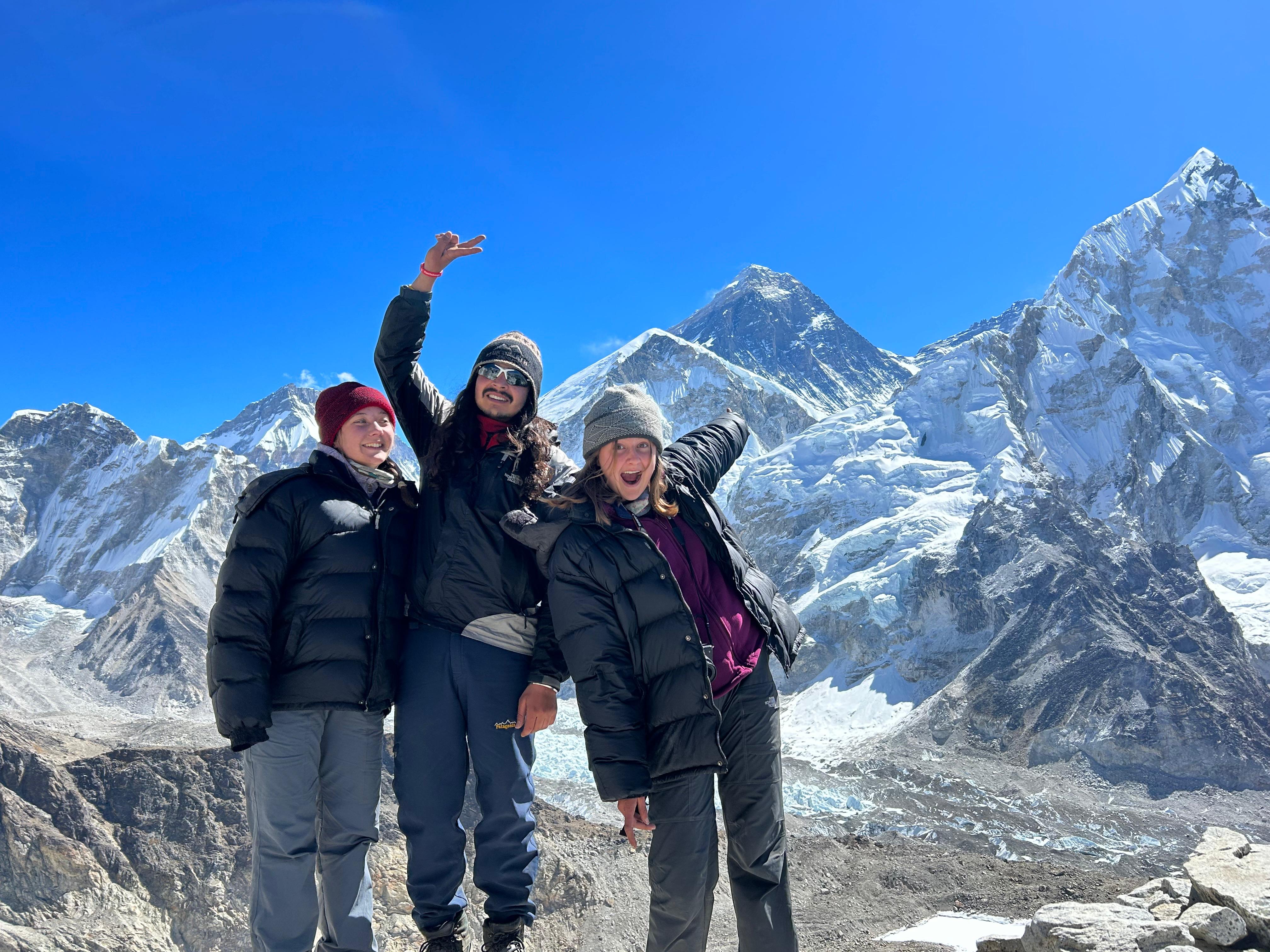
The most popular and world renowned Everest Base Camp (EBC) Trek is one of the world’s most iconic trekking adventures, leading you into the heart of the Khumbu region and to the foot of Mount Everest (8848.86 m).
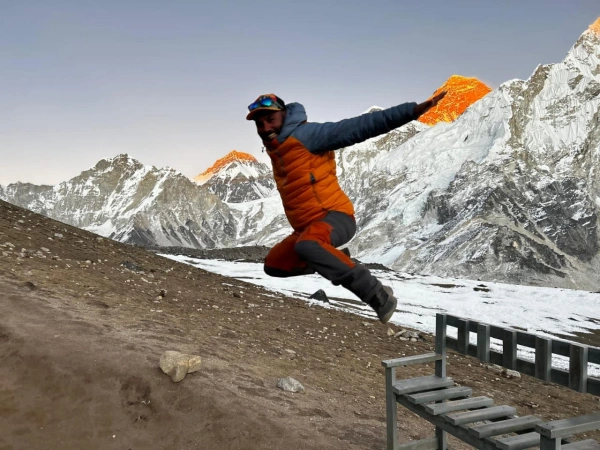
This legendary trail offers dramatic landscapes, Sherpa culture, ancient monasteries, and breathtaking views of Mount Everest, Lhotse, Nuptse, and Ama Dablam and many more Himalayan range. From the bustling streets of Lukla to the high-altitude beauty of Kala Patthar (5545 m), every day on the EBC trail brings a new highlight.
Difficulty: Moderate
Duration: 13-15 days
Best Time: The ideal seasons for EBC Trekking are Autumn (September–November) and Spring (March–May). Everest Base Camp trek can be done in Winter as well, with well-equipped clothing.
Permits: Everest National Park Permit + Khumbu Gaupalika Permit
Highlights: Everest Base Camp, View of Mount Everest, Ama Dablam, and other Himalayan range, Tengboche Monastery, Sherpa culture, Kala Patthar viewpoint. The classic trek to the world’s highest peak combines iconic scenery with cultural immersion, making it a bucket-list adventure for trekkers worldwide.
Options for Everest Region Trek:
Everest Base Camp Trek: A classic journey to the foot of Mount Everest, combining Sherpa culture with breathtaking Himalayan views.
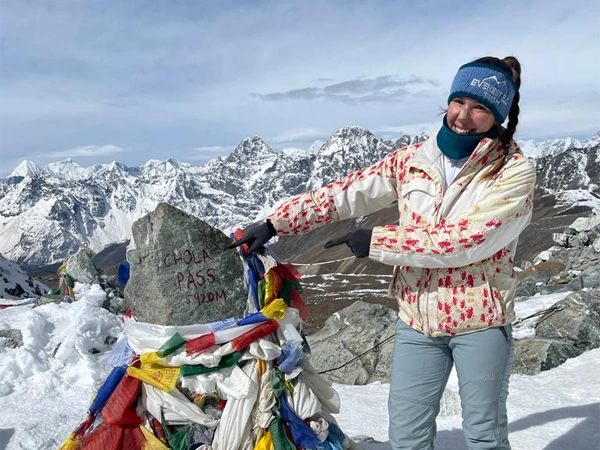
Everest–Gokyo Chola Pass Trek: A stunning high-altitude adventure linking EBC with the turquoise Gokyo Lakes via the dramatic Cho La Pass.
Everest Three Pass Trek: The ultimate Everest challenge crossing Kongma La, Cho La, and Renjo La for unmatched panoramic Himalayan scenery.
Jiri–Everest Base Camp Trek: A traditional, less-crowded route retracing the footsteps of early Everest expeditions from Jiri to EBC.
Gokyo Lake Trek: A serene trek to the pristine turquoise Gokyo Lakes and the famous Gokyo Ri viewpoint overlooking Everest.
Ama Dablam Base Camp Trek: A scenic journey to the base of Mount Ama Dablam, known for its striking pyramid shape and dramatic landscapes.
Pikey Peak Trek: A short and peaceful trek offering one of the best panoramic sunrise views of Everest and the Himalayan range.
EBC Trek with Helicopter Return: Reach Everest Base Camp on foot and enjoy a quick, scenic helicopter flight back to Kathmandu for a comfortable finish.
Why Everest Base Camp Trekking is Special:
Historic & Iconic: It follows the footsteps of Tenzing Norgay and Sir Edmund Hillary, adding a sense of history to the adventure.
Cultural Immersion: The trek passes through traditional Sherpa villages like Namche Bazaar, Tengboche, and Pangboche—rich in Buddhist heritage.
Reliable Infrastructure: Well-marked trails, comfortable tea houses, Wi-Fi availability in many locations, and developed trekking services make it accessible and safe.
Panoramic Mountain Views: EBC offers outstanding views of Everest, even though the peak itself is best seen from Kala Patthar, one of the trek’s major highlights.
More Accessible Than Remote Treks: While challenging, it is more structured and logistically easier than remote treks like Kanchenjunga or Makalu.
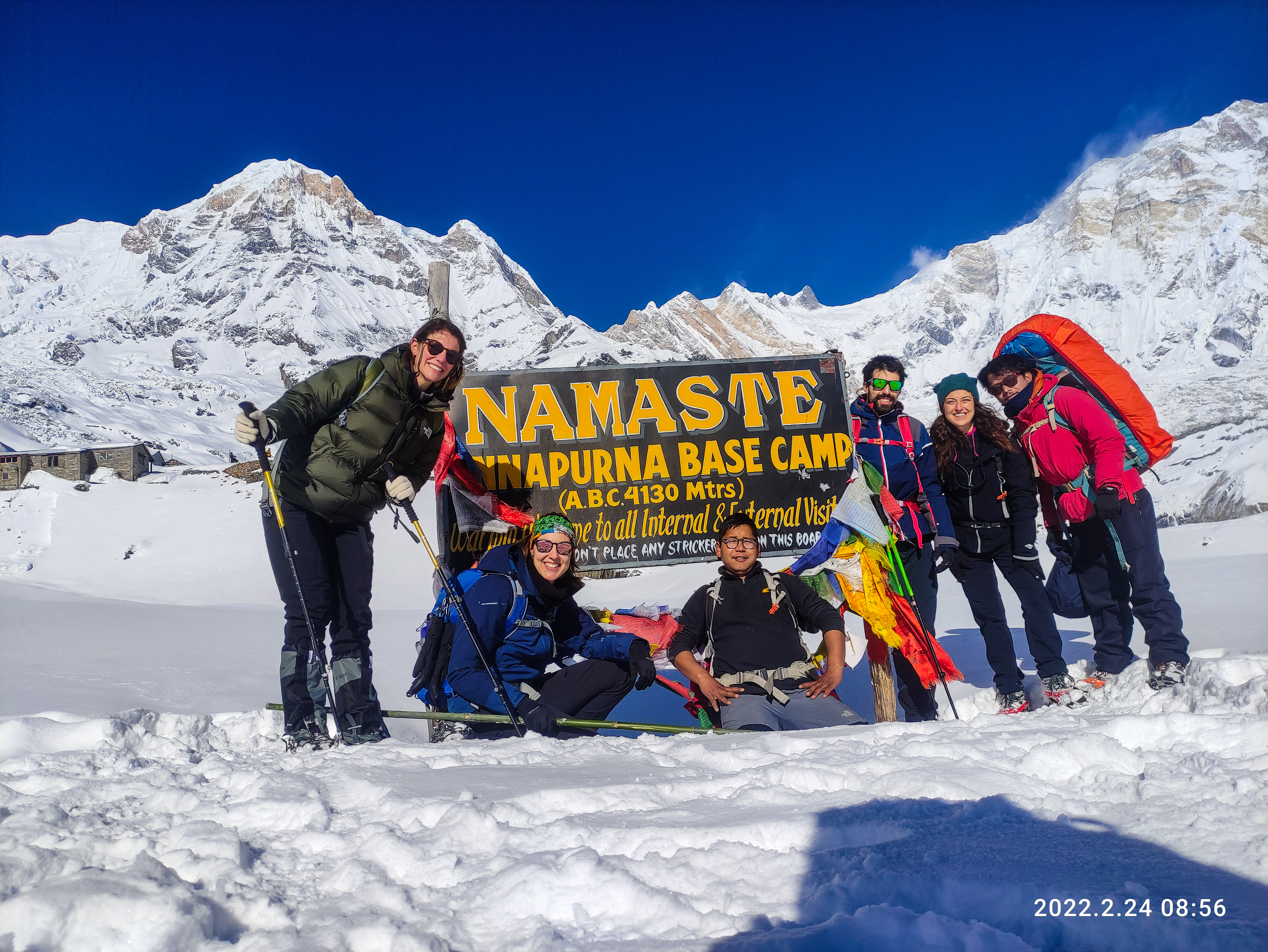
Annapurna Base Camp Trek is one of Nepal’s most popular and scenic trekking journeys, leading you deep into the heart of the Annapurna Sanctuary. Annapurna Base Camp (ABC) trek lies in the Annapurna region of north-central Nepal, within the Kaski district.
Surrounded by giant Himalayan peaks—Annapurna I, Machhapuchhre (Fishtail), Hiunchuli, and Gangapurna—ABC offers a dramatic 360° amphitheatre of Annapurna range mountains.
The trek passes through charming Gurung and Magar villages, terraced farmlands, rhododendron forests, and peaceful river valleys, making it a perfect blend of nature, culture, and adventure. This trekking route is popular with well-established routes and lodges and comparatively more domestic and international crowd.
Difficulty: Moderate
Duration: 5–12 days
Best Time: The ideal seasons for ABC Trekking are Spring (March–May), Autumn (September–November) & Winter (December – February). Winter trek is also possible for experienced trekkers—ABC is among the few higher-altitude treks still accessible in winter.
Permits: Annapurna Conservation Area Permit (ACAP)
Highlights: Machapuchare (Fishtail) views, rhododendron forests, alpine scenery. A shorter trek into the heart of the Annapurna massif, perfect for trekkers seeking a balance of challenge and comfort.
Options for Annapurna Base Camp Trekking:
Standard ABC Trek (7–10 days): Via Chhomrong, Bamboo, Deurali, and Annapurna Base Camp.
ABC via Poon Hill: A popular route combining sunrise views from Poon Hill with the main trail to ABC.
Short Annapurna Base Camp Trek: A faster itinerary for trekkers with limited time.
ABC with Mardi Himal or Khopra Ridge: Combination treks for those wanting more scenic variety and fewer crowds.
Why Annapurna Base Camp Trekking is Special:
Moderate Difficulty: ABC is more accessible than remote treks like Kanchenjunga or Manaslu, making it ideal even for first-time trekkers.
Shorter Duration: It can be completed in 5–12 days depending on the route, making it perfect for travellers with limited time.
Diverse Landscapes: Rice terraces, bamboo forests, alpine zones, and high Himalayan panoramas all in one journey.
Cultural Richness: Experience Gurung and Magar culture along the way, with warm hospitality in every village.
Close Mountain Views: ABC offers incredibly close-up mountain scenery—one of the best natural amphitheaters in Nepal.
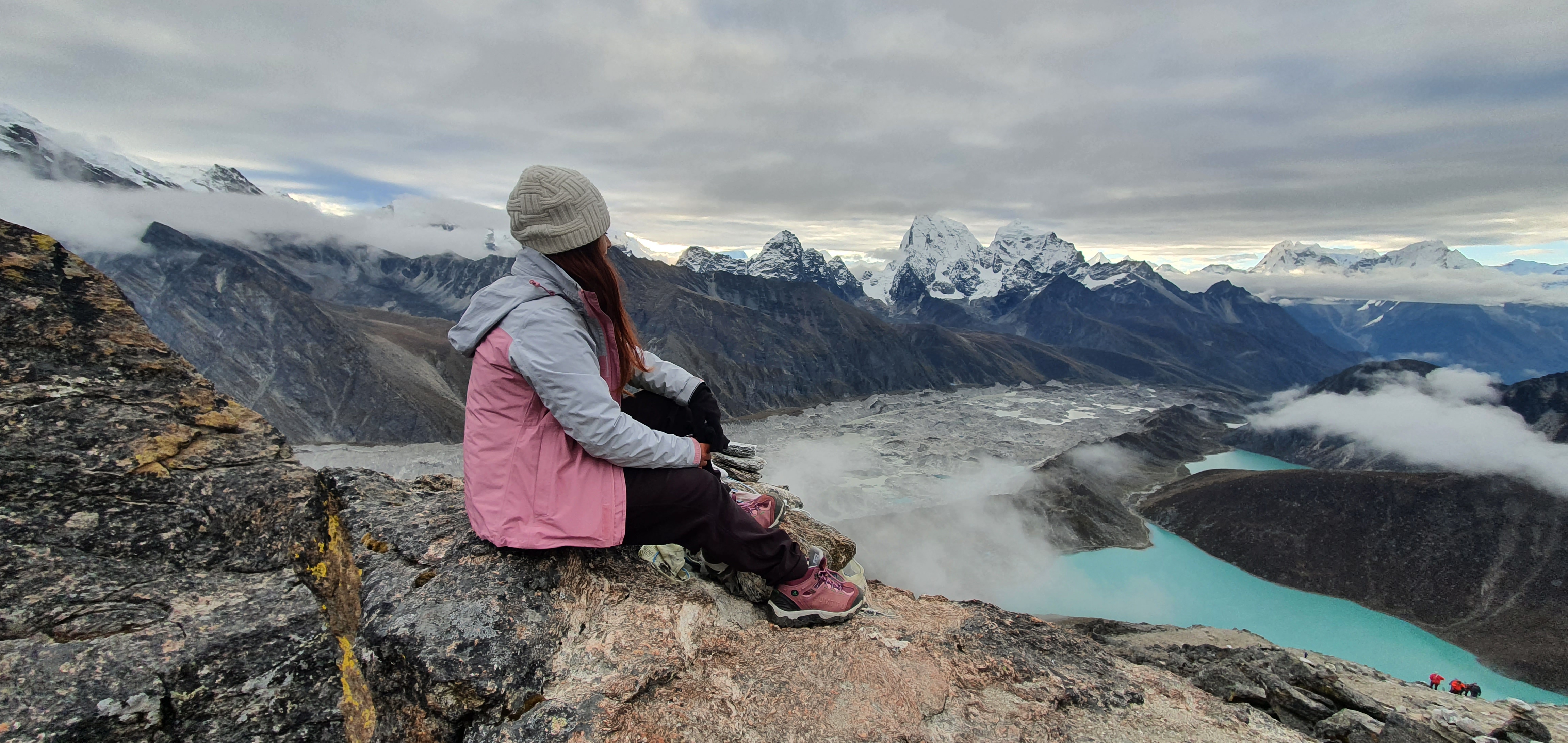
Gokyo Lakes Trek is one of the most beautiful and peaceful trekking routes in the Everest region of Nepal. Instead of following the classic Base Camp trail, this trek takes you to the stunning turquoise Gokyo Lakes, sitting at the foot of the world’s tallest mountains.
The journey to Gokyo also includes a climb to Gokyo Ri (5360 m)—one of the best panoramic viewpoints in Nepal—offering breathtaking views of Everest, Lhotse, Makalu, and Cho Oyu. With fewer crowds, pristine landscapes, and incredible Himalayan glaciers, this trek is a perfect alternative to the traditional EBC route.
Difficulty: Moderate
Duration: 10-14 days
Best Time: The ideal seasons for Gokyo Lake Trekking are Spring (March–May), Autumn (September–November) and Winter. This trek can be done in Winter as well, with well-equipped clothing.
Permits: Everest National Park Permit + Khumbu Gaupalika Permit
Highlights: Highlights: Stunning turquoise lakes, Gokyo Ri, Everest views, glacier scenery.A less crowded alternative to the Everest Base Camp Trek, featuring spectacular lake and mountain views that make it unforgettable.
Options for Gokyo Trekking:
Gokyo Valley Trek (11–12 days): The classic route to the lakes and Gokyo Ri.
Gokyo + Cho La Pass + EBC: Combines the beauty of Gokyo with the adventure of crossing Cho La Pass and visiting Everest Base Camp. This is one of the most popular trekking choice of travellers interested to visit Everest region.
Renjo La Pass with Gokyo: A more remote and scenic loop offering panoramic views of the Everest range.
Three Passes Trek: Includes Kongma La, Cho La, and Renjo La—a full-circle adventure for experienced trekkers.
Why Gokyo Lakes Trek Is Special?
Less Crowded Than EBC trail: The trail attracts fewer trekkers, offering more solitude and a peaceful Himalayan experience.
World’s Highest Freshwater Lake System: The Gokyo Lakes are sacred to Buddhists and Hindus and shine in shades of deep turquoise.
One of the Best Viewpoints: The summit of Gokyo Ri offers wider and more dramatic views than even Kala Patthar.
Massive Glacier Experience: Walk along the Ngozumpa Glacier, the largest glacier in the Himalayas.
Cultural Richness: Pass through Sherpa villages like Dole, Machhermo, and Gokyo with strong Buddhist traditions.
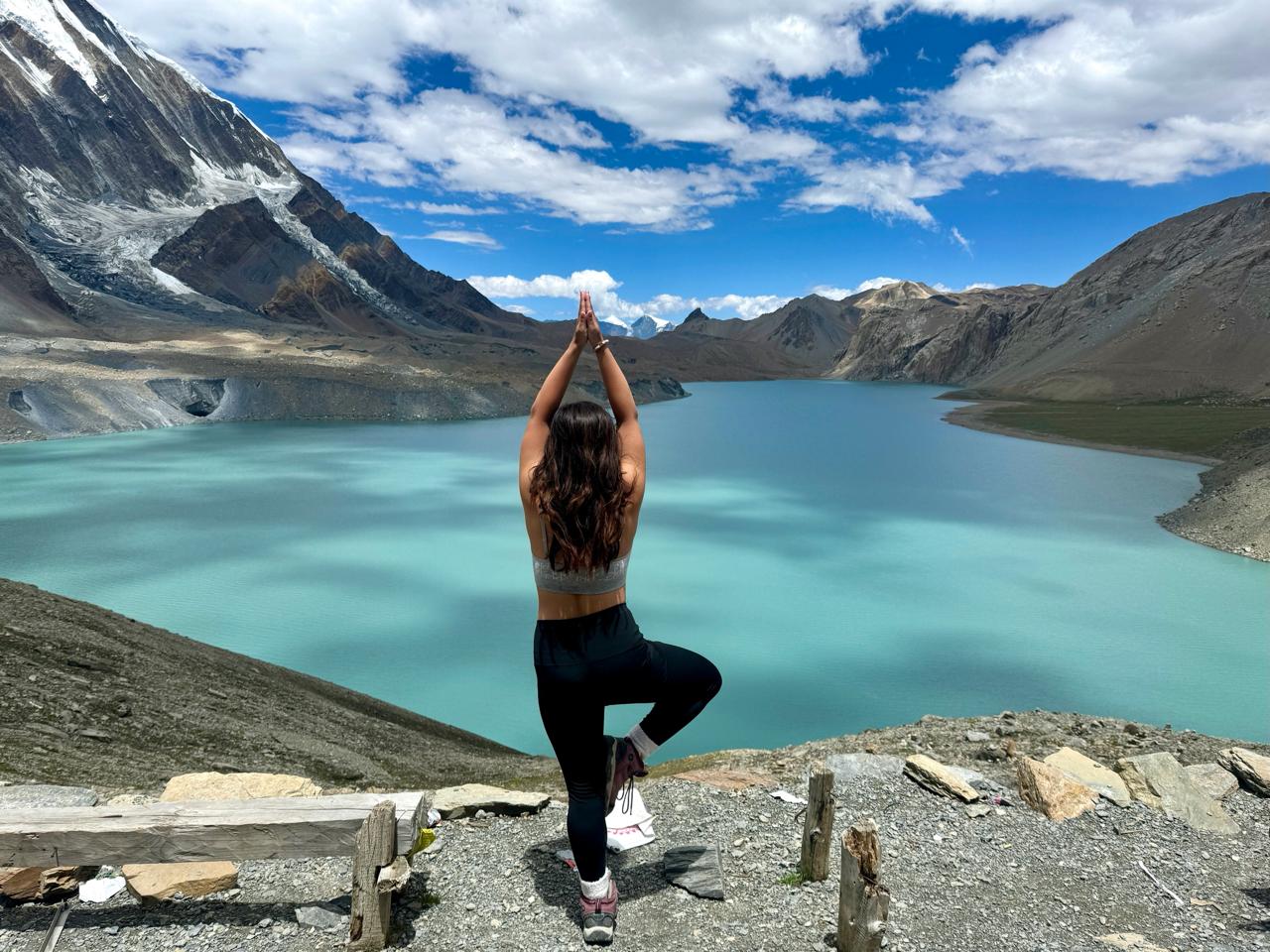
Annapurna Circuit Trek with Tilicho Lake is one of Nepal’s most dynamic and rewarding trekking journeys. This extended version of the classic circuit takes you to Tilicho Lake (4919 m)—one of the highest lakes in the world—surrounded by towering Himalayan peaks.
This trek follows the Marsyangdi Valley, passes through traditional Gurung, Manang, and Thakali villages, and crosses the legendary Thorong La Pass (5416 m). Combining dramatic landscapes, cultural richness, and jaw-dropping mountain scenery, this route is considered one of the most complete trekking experiences in Nepal.
However, being one of the dramatic and amazing trek, now Annapurna circuit is accessible till Khangsar and can be shortern with transport or tour option halfway to Annapurna Circuit.
Difficulty: Moderate to Strenuous
Duration: 14–21 days
Best Time: The ideal seasons for Annapurna Circuit with Tilicho Lake Trekking are Spring (March–May), Autumn (September–November) & Summer (May – August). Winter trek is also possible for experienced trekkers— but for Tilicho Lake it will be frozen, only Annapurna Circuit trek can be done.
Permits: Annapurna Conservation Area Permit (ACAP)
Highlights: Thorong La Pass, Annapurna and Dhaulagiri ranges, diverse ecosystems, traditional Gurung villages. One of Nepal’s most famous trekking routes, offering a full spectrum of natural and cultural diversity.
Options for Annapurna Circuit Trekking with Tilicho:
Annapurna Circuit + Tilicho Lake: The classic full circuit with an additional 3–4 days for Tilicho Lake.
Short Annapurna Circuit Trek only: This trek can be done in Annapurna Circuit area only.
Annapurna Circuit trek and tour: With the accessibility with road, Annapurna Circuit can be done like: drive from Kathmandu – Dharapani – Chame – Manang – then continue with trek to Thorang La Pass and Muktinath and then again continue the drive from Muktinath – Marpha – Tatopani – Pokhara.
Annapurna Circuit + Upper Mustang Add-On: For those wanting to combine desert landscapes with the high Himalayas. (Both tour and trek option available for Upper Mustang Region).
Why Annapurna Circuit with Tilicho Lake Is Special:
Tilicho Lake Experience: The shimmering blue lake set beneath Tilicho Peak is one of the most breathtaking high-altitude sites in Nepal.
Less Crowded Side Trip: The trail to Tilicho Lake is quieter than the main circuit, offering solitude and pristine landscapes.
Rich Cultural Diversity: Experience the changing cultures—from lush Gurung villages to Tibetan-influenced Manang and the spiritual Muktinath region (part of Mustang).
Epic Pass Crossing: Thorong La Pass offers panoramic views of the Annapurna and Dhaulagiri ranges.
Diverse Landscapes: Rice terraces, alpine forests, desert-like valleys, glaciers, and high Himalayan scenery—everything in a single trek.
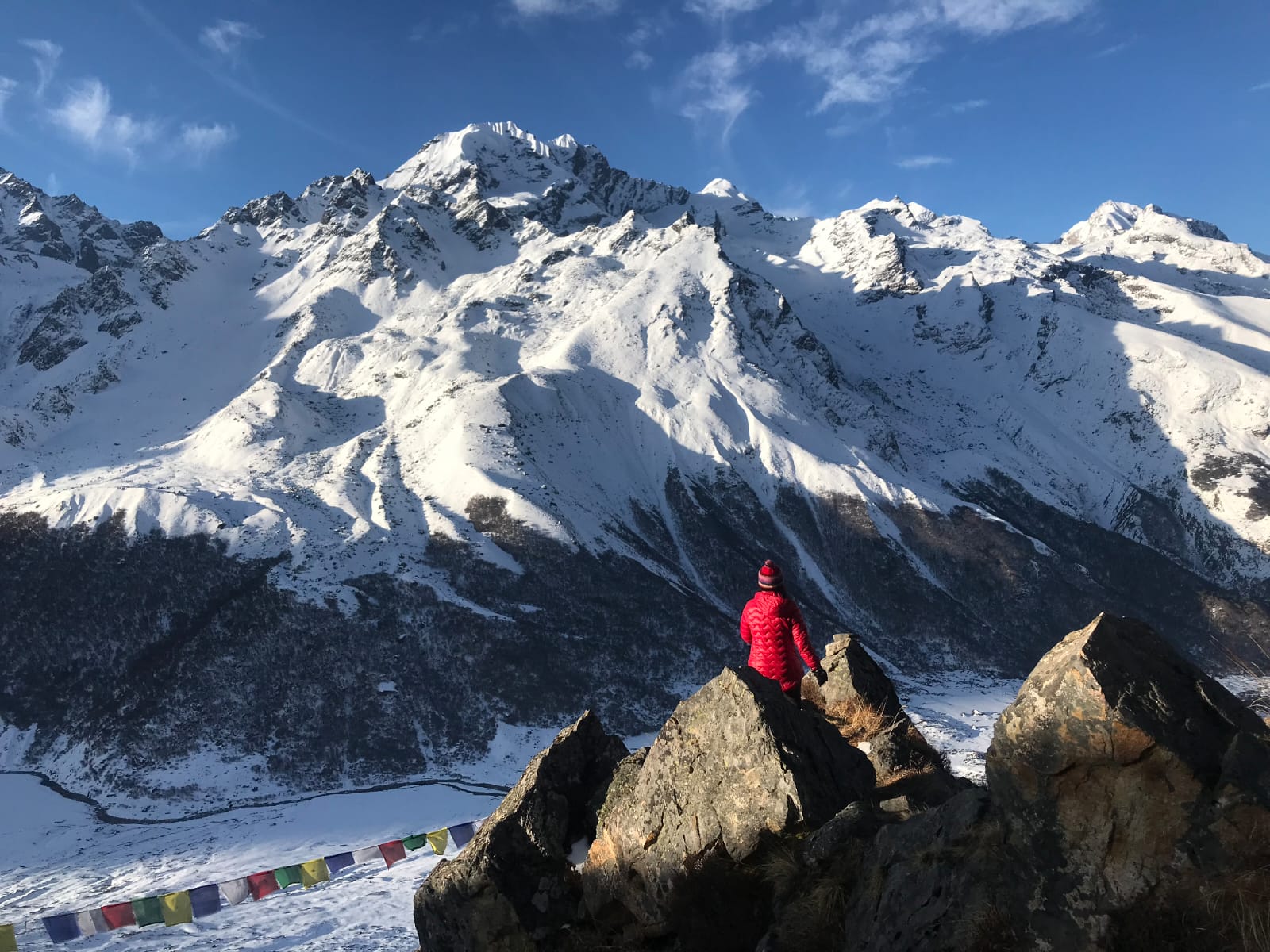
Langtang Valley Trek is one of Nepal’s most beautiful short treks, located close to Kathmandu yet offering a truly remote Himalayan experience. Often called the “Valley of Glaciers”, Langtang is known for its dramatic landscapes, Tamang culture, alpine meadows, yak pastures, and incredible views of Langtang Lirung (7227 m).
The trail passes through Langtang National Park, home to diverse wildlife, rhododendron forests, and peaceful mountain villages rebuilt with resilience after the 2015 earthquake.
Langtang valley trek is less crowded and easy trek in Nepal and is very suitable for winter trek.
Difficulty: Moderate
Duration: 7–12 days
Best time: The best seasons for the Langtang Valley Trek are: Spring (March–May), Autumn (September–November). Winter (December–February) is cold but manageable, especially around Kyanjin Gompa. Summer monsoon (June–August) brings cloud cover and rainfall but keeps the valley lush and green.
Permits: Langtang National Park Area Permit
Highlights: Langtang Lirung, alpine meadows, Tibetan-influenced culture, Langtang National Park. Close to Kathmandu, this trek provides a perfect short adventure with a mix of nature, culture, and stunning Himalayan views.
Options for Langtang Valley Trekking:
Classic Langtang Valley Trek (7–10 days): Via Lama Hotel, Langtang Village, and Kyanjin Gompa with hike to Kyanjin Ri or Tserko Ri.
Langtang + Gosaikunda + Helambu: A longer circuit option connecting three beautiful trekking regions.
Langtang Tamang Heritage Trek: Focuses more on Tamang culture and traditional villages.
Why Langtang Valley Is Special:
Close to Kathmandu: Just a day’s drive from the capital, making it ideal for trekkers with limited time.
Less Crowded Than Annapurna or Everest: Offers a quieter, more intimate trekking experience.
Rich Tamang & Tibetan Culture: The region is heavily influenced by Tibetan Buddhism, with mani walls, chortens, monasteries, and traditional stone houses along the trail.
Glacial Valley Scenery: Wide open meadows, sparkling streams, and an amphitheater of Himalayan peaks make the valley incredibly scenic.
Flexible Duration: Can be done in as little as 7 days or extended to Kyanjin Ri or Tserko Ri for higher viewpoints.
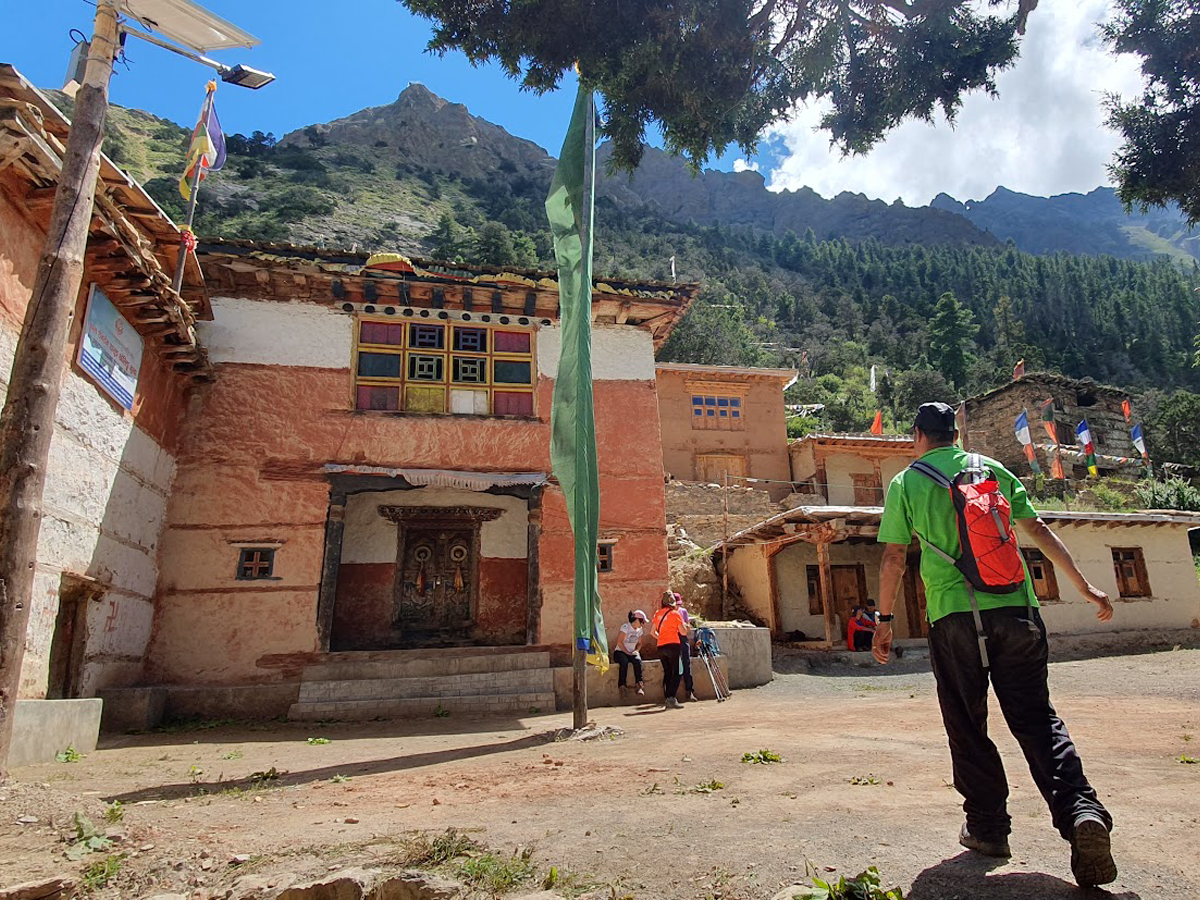
Upper Dolpo Trek is one of Nepal’s most remote, mystical, and culturally rich trekking adventures. Hidden behind the towering Dhaulagiri range, this isolated region preserves ancient Tibetan Buddhist traditions, centuries-old monasteries, sacred landscapes, and rugged high-altitude deserts.
The trail passes through Shey Phoksundo National Park, the crystal-blue Phoksundo Lake, windswept valleys, traditional mud-brick villages, and high passes rising above 5,000 meters. This is an expedition-style journey ideal for trekkers seeking raw wilderness, cultural depth, and untouched Himalayan beauty.
Difficulty: Challenging
Duration: 20–30 days
Best time: The preferred seasons for Upper Dolpo trek are: Spring (April–June) & Autumn (September–October). Unlike other regions, Upper Dolpo lies in the rain-shadow of the Himalayas, making Summer (July–August) trekking possible—while monsoon affects most of Nepal, Dolpo remains mostly dry.
Permits: Upper Dolpo Special Restricted Area Permit + Shey Phoksundo National Park Permit
Highlights: Shey Gompa, crystal-clear lakes, Tibetan culture, high-altitude landscapes. Extremely remote and isolated, this trek is ideal for adventurers seeking pristine Himalayan wilderness far from tourist crowds.
Options for Upper Dolpo Trekking:
Upper Dolpo – Shey Gompa Trek (20–25 days): The classic route through Phoksundo Lake, Shey Gompa, and high passes.
Upper Dolpo to Jomsom Traverse: A challenging expedition connecting Dolpo with Mustang via several high passes.
Lower Dolpo + Upper Dolpo Combined Trek: For those wanting to experience both the cultural lower villages and high desert regions.
Why Upper Dolpo Is Special:
True Wilderness & Isolation: Far removed from commercial trekking routes—no crowds, limited lodges, and pure nature.
Ancient Tibetan Culture: Home to centuries-old monasteries like Shey Gompa and the unique Bon tradition rarely seen elsewhere in Nepal.
Extraordinary Landscapes: Dramatic desert scenery, deep canyons, snow-peaks, and the iconic turquoise Phoksundo Lake.
Exclusive & Restricted Area: Requires special permits, which helps preserve the pristine environment and authentic culture.
Spiritual Significance: Known as the “Land of the Snow Leopard” and the setting for Peter Matthiessen’s famous book The Snow Leopard.
Ghalegaun Cultural Village Trek is a short yet immersive Himalayan experience that takes you deep into the heart of the Gurung community in the Lamjung district. Known for its authentic homestays, traditional hospitality, and breathtaking views of the Annapurna and Lamjung Himal ranges, this trek is perfect for travellers seeking culture rather than crowded commercial trails.
Ghalegaun offers an intimate village atmosphere, unique cultural programs, and the chance to interact closely with local families—making it very different from popular trekking routes like Annapurna Base Camp or Everest.
Difficulty: Easy
Duration: 3–5 days
Permits: Annapurna Conservation Area Permit (ACAP)
Best time: The ideal seasons are Spring (March–May), Autumn (September–November) & Winter (December – February), when the weather is clear, the mountains are visible, and village life is vibrant.
Highlights: Traditional Gurung village, terraced hills, cultural immersion, optional Chitwan visit. A short cultural trek for those who want to experience Nepal’s rural life, local traditions, and serene landscapes without high-altitude trekking.
What Makes the Ghalegaun Cultural Village Trek Special?
Authentic Gurung Culture & Homestay Experience: Ghalegaun is one of Nepal’s best model villages, where visitors experience traditional Gurung hospitality through community-run homestays. You witness their daily lifestyle, traditional dances, local cuisine, and cultural rituals—something rare on commercial trekking routes.
Crowd-Free & Peaceful Trails: While routes like Annapurna Base Camp and Poon Hill can be busy, Ghalegaun remains quiet and untouched. The peaceful environment makes it perfect for travelers seeking a relaxing cultural trek away from the usual tourist rush.
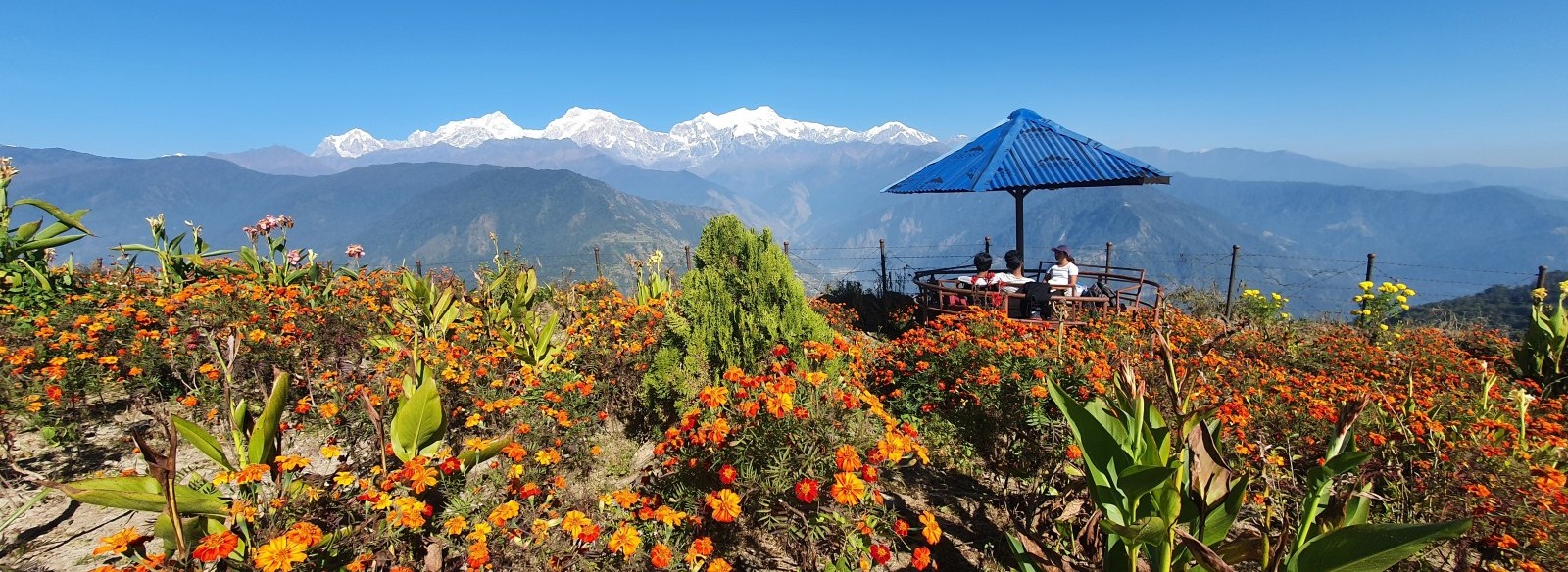
Stunning Himalayan Panoramas: The village offers spectacular views of the Annapurna and Lamjung Himal ranges, including Machhapuchhre (Fishtail), Annapurna II, IV, Lamjung Himal, and more—without the long demanding trekking days.
Easy & Accessible Trek for All Levels: This trek is ideal for beginners, families, and cultural travellers. It doesn’t require high altitude adaptation, heavy gear, or advanced fitness.
Community-Based Tourism Model: Ghalegaun is a pioneering model for sustainable tourism in Nepal. Your visit directly supports the local community, preserves culture, and improves village livelihoods.
Rich Natural Beauty & Village Life: Lush forests, terraced fields, rhododendron blooms (March–April), and charming stone-paved village paths make the journey scenic and calming.
Ghalegaun Cultural Village Trek stands out as one of Nepal’s most authentic and culturally immersive trekking experiences. Unlike popular crowded trails, Ghalegaun offers a peaceful escape into the traditional lifestyle of the Gurung community, known for their warm hospitality, rich heritage, and unique customs.
Makalu Base Camp Trek is one of Nepal’s most remote and rewarding expeditions, taking trekkers into the untouched wilderness of the Makalu-Barun National Park, home to rare wildlife, deep valleys, alpine lakes, and towering cliffs. This trail leads to the base of Mt. Makalu (8,485m), the fifth-highest mountain in the world, offering stunning panoramas of Everest, Lhotse, Chamlang, and Baruntse along the way. With sparse settlements, basic tea houses, and rugged terrain, Makalu offers a genuine off-the-beaten-path adventure far from Nepal’s crowded mainstream trails.
Difficulty: Strenuous
Duration: 18–20 days
Best time: The ideal seasons are March–May (Spring) and September–November (Autumn), when the skies are clear, temperatures are stable, and high-altitude passes are safe to cross.
Permits: Makalu Barun National Park Permit
Highlights: Makalu Base Camp, Barun Valley, diverse flora and fauna, remote Himalayan scenery. This challenging trek leads to one of the world’s highest peaks, offering spectacular landscapes and a truly remote trekking experience.
What makes Makalu Base Camp Trek special?
Makalu stands out for its raw, untouched landscapes, limited tourist flow, and challenging wilderness route. Unlike Everest or Annapurna, you’ll encounter very few trekkers, allowing you to experience complete solitude, pristine forests, hidden valleys, and authentic local culture without commercialization. This is a trek for true adventure seekers who prefer remoteness over busy trails.
Overall, Trekking in Nepal is possible throughout the year, with each season offering a distinct experience. The Upper Mustang Trek is ideal during the summer months, while trails like Langtang Valley, Annapurna Base Camp, and Mardi Himal are suitable even in winter. Peak trekking seasons, such as autumn and spring, are perfect for iconic treks like Everest Base Camp via Gokyo and Chola Pass, Makalu Base Camp, and the Kanchenjunga Trek, when the weather is clear, and the Himalayan views are at their best.
Nepal’s trekking trails offer a blend of adventure, culture, and natural beauty that’s hard to find anywhere else. Whether you’re a first-time trekker or a seasoned mountaineer, these top 10 treks promise unforgettable experiences in the heart of the Himalayas.