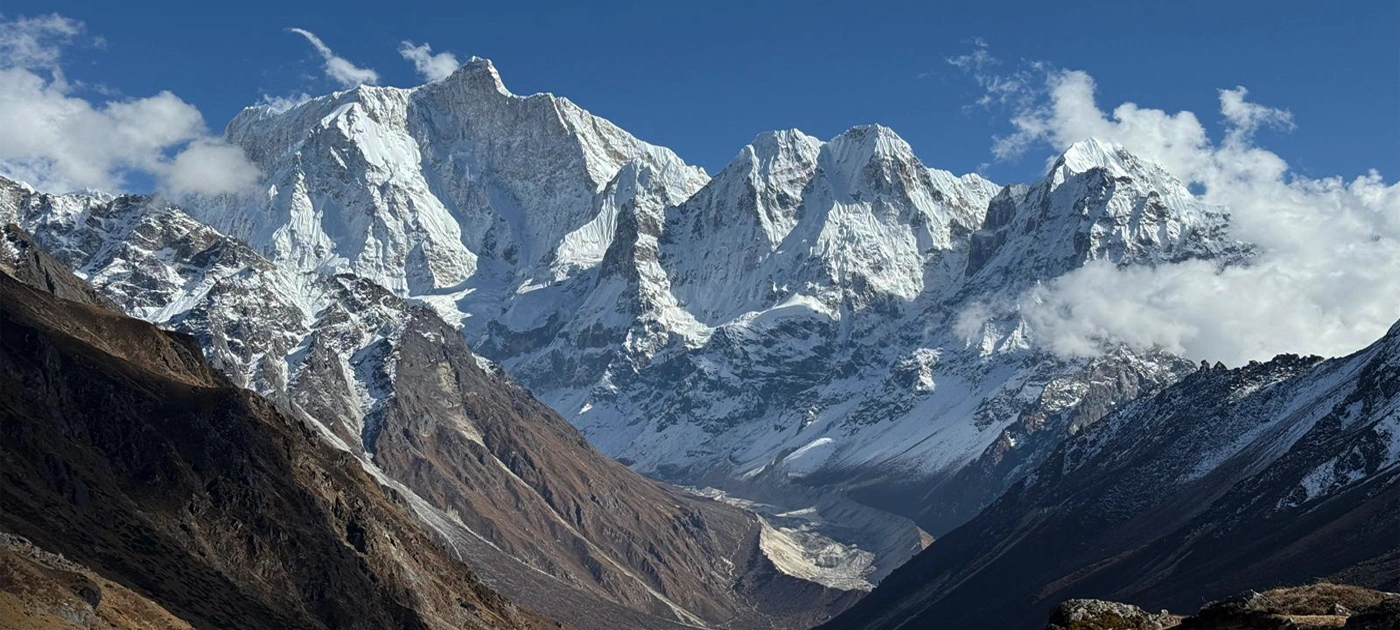
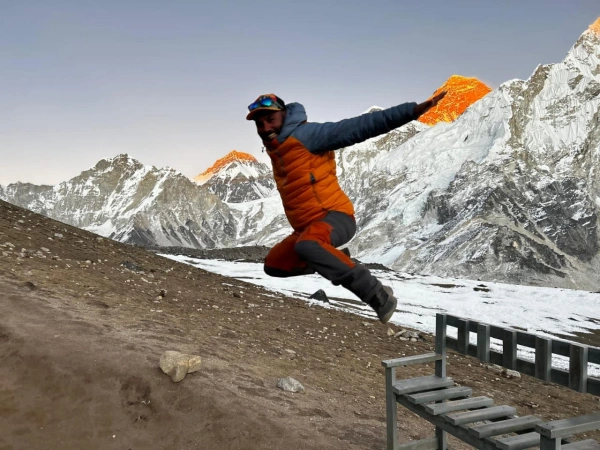
Kanchenjunga Trek offers some of the most spectacular views of Himalayas of eastern mountains of Nepal. From the high ridges and base camps, trekkers can witness majestic peaks such as Mt. Kanchenjunga (8586m), Jannu (Kumbhakarna), and distant panoramas of the Everest, Lhotse, and Makaluranges. The trail provides dramatic landscapes, deep valleys, hanging glaciers, and untouched mountain scenery rarely seen on other treks. 
Why Choose the Kanchenjunga Trek?
Nepal Kanchenjunga Trek is perfect for trekkers who wants:
- Remote and off-the-beaten-path adventure
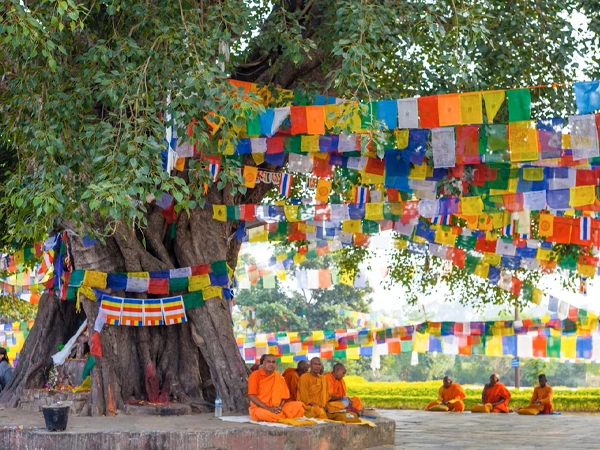
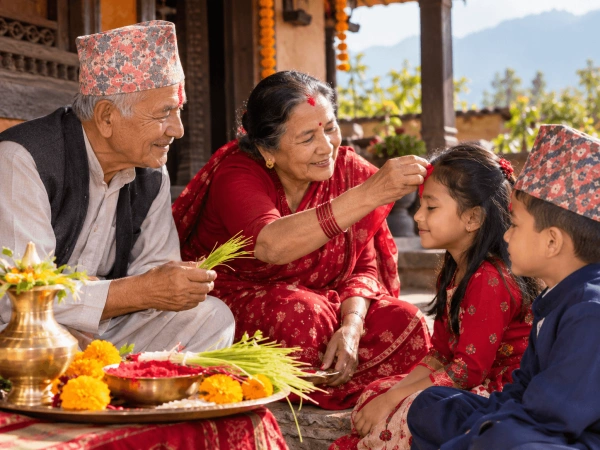
- Authentic cultural encounters with Rai, Limbu, Sherpa, and Tibetan communities
- Diverse landscapes—from lush forests to high alpine glaciers
- Stunning views of Kanchenjunga North & South Face, including Jannu, Yalung Kang, and Kambachen
- A challenging but equally rewarding long-distance trek
Where is the Kanchenjunga Region?
Kanchenjunga lies in Taplejung District in eastern Nepal. The area is protected under the Kanchenjunga Conservation Area, known for its rich biodiversity—snow leopards, red pandas, Himalayan black bears, and rare alpine flora.
Getting to this Kanchenjunga side usually involves a flight from Kathmandu to Bhadrapur, followed by a long drive to Taplejung and then Sekathum.
Best Time for Kanchenjunga Trekking in Nepal
The ideal seasons for Kanchenjunga Trekking in Nepal are:
- ✓ Spring (March–May)
- ✓ Autumn (September–November)
Major Kanchenjunga Trekking Routes (Off beaten trekking trail)
1. Kanchenjunga North Base Camp Trek (Pangpema)
This route leads to Pangpema (5143 m), offering dramatic views of the north face. Nepal Kanchenjunga trek of 18 days in the north side is also a shorter route in the high altitudes in eastern Nepal which leads with the chance to sleeping at the base camp of Kanchenjunga (Pangpema).
Duration: 18 days from arrival to departure (can be customised as per the holiday dates.)
2. Kanchenjunga South Base Camp Trek (Yalung Base Camp)
Trek through beautiful forests to Yalung Base Camp for close views of the south face.This 14-days remote trekking journey in Nepal offers an off-the-beaten-path experience through the Kanchenjunga Conservation Area making it ideal for those seeking solitude, raw Himalayan landscapes, and cultural immersion.
Duration: 14 days from arrival to departure (can be customised as per the holiday dates.)
3. Kanchenjunga Circuit Trek (Both Base Camps)
The most popular option for adventure lovers. You will visit both North and South Base Camps in a loop. Kanchenjunga Circuit trek of 22 days takes you deep into the eastern Himalayas, with the majestic view of Mount Kanchenjunga (8586 m)—the world’s third-highest peak. The trail winds through diverse terrain—lush valleys, alpine meadows, ancient forests, and glacier-filled highlands—crossing several scenic high mountain passes, like: Sele La (4290 m), Sinion La (4440 m) & Mirgin Pass (4480 m). This is one of the popular and beautiful trekking routes in eastern Nepal.
Duration: 22 days from arrival to departure (can be customised as per the holiday dates.)
Permits Required for Kanchenjuna Trekking in Nepal
- Kanchenjunga Conservation Area Permit
- Restricted Area Permit (RAP)
Some rules for travelling in Kanchenjunga region of Nepal:
- Guide is compulsory for trekking in Kanchenjunga region of Nepal
- You must take licensed guide through registered travel or trekking agency from Nepal
- Solo trekking is not allowed in Kanchenjunga (Minimum 2 pax required for trekking in this restricted region of Kanchenjunga)
What are the cost for Kanchenjunga Trekking?
Our Kanchenjunga Trek Package takes you deep into one of Nepal’s most remote and untouched Himalayan regions. During the Kanchenjunga trek adventure traveller can choose to explore both the Kanchenjunga North (Pangpema) and South Base Camps or any one offering incredible views of Mt. Kanchenjunga (8586 m), Jannu Himal, Yalung Glacier, and the pristine valleys of eastern Nepal. 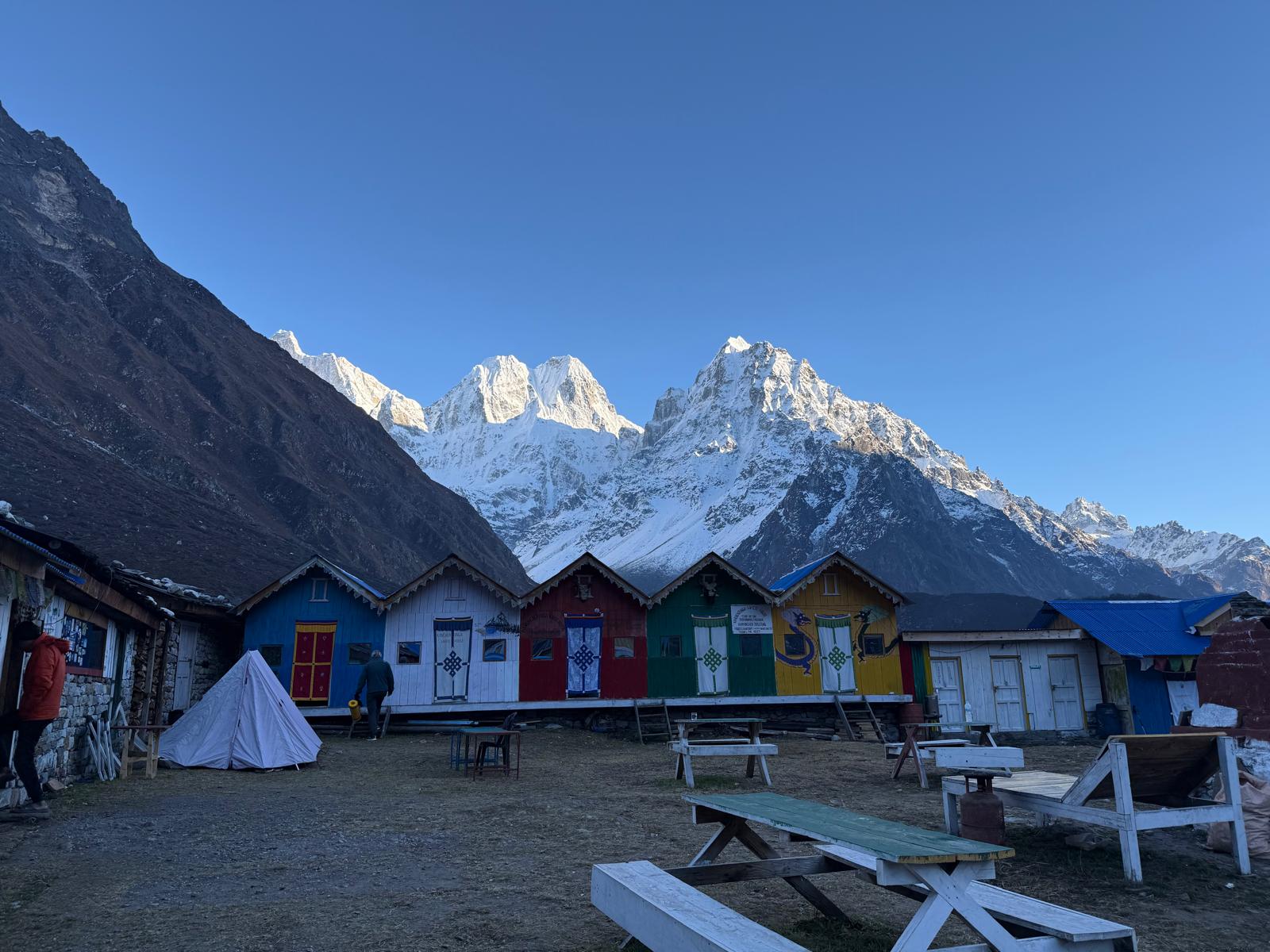
Kanchenjunga Trek cost generally ranges between USD 1600 to USD 2100 per person, depending on the route you will travel (North Base Camp, South Base Camp, or full Circuit), group size, itinerary length, and the services included. Since the region is remote and requires restricted area permits, the overall cost is slightly higher compared to Everest or Annapurna trekking in Nepal.
Trekking Permits
-
Kanchenjunga is a restricted region, so cost for Kanchenjunga trek involves:
-
Restricted Area Permit: USD 20 per week & USD 40 for 2 weeks.
-
Kanchenjunga Conservation Area Permit (KCAP): NPR 2,000 per person
Mandatory Guide
Airfare
Transportation
Lodges during Kanchenjunga trek
Cost required for overnight stay in the lodges of Kanchenjunga trekking
Fooding & Lodging
Minimum of US$ 50-60 per day per person is required for fooding and lodging in Kanchenjunga region trek
Porters / Helpers
Cost of porters and helpers during the trekking period in Kanchenjunga.
Note: Solo trekking is not allowed, minimum of 2 person is required for Kanchenjunga or any restricted area trekking in Nepal.
Is Kanchenjunga TrekHarder Than Everest?
Yes — Kanchenjunga Trek is generally considered harder than the Everest Base Camp Trek due to its remoteness, rugged terrain, limited facilities, and longer distances.
However, if comparing climbing expeditions, Kanchenjunga (8,586 m) is significantly harder and more dangerous than climbing Mount Everest.
When comparing Kanchenjunga with Everest, most trekkers and climbers agree that Kanchenjunga is considered more challenging—both as a trek and as a climbing expedition. While Everest Base Camp Trek is one of the most popular and well-established routes, the Kanchenjunga region remains remote, wild, and far less developed.
Kanchenjunga lies in far eastern Nepal, close to the India–Nepal border. Fewer flights, long jeep drives, and limited infrastructure make access more difficult than Everest. Everest has daily flights to Lukla and a well-established trekking route.
Kanchenjunga trails are steeper, longer, and more rugged. Expect long walking days and minimal shortcuts or alternative routes. Everest trail is more groomed with better paths, bridges, and teahouses.
Kanchenjunga trekking has basic teahouses, often run by local families with simple food and limited amenities. Everest region offers luxury lodges, bakeries, coffee shops, Wi-Fi, and diverse menu options. Both treks go above 5,000 meters, but Kanchenjunga involves longer days between villages, making acclimatization trickier. Everest Base Camp has more acclimatization stop options and medical facilities.
Kanchenjunga’s remote nature means limited rescue options, fewer trekkers on the trail, and almost no quick evacuation access. Everest region has multiple rescue helicopters, hospitals in Pheriche and Lukla, and high visitor volume for support. Kanchenjunga sees very few trekkers each season, ideal for off-the-beaten-path lovers. Everest is busy, well-trodden, and supported by decades of tourism development.
Overall, the Nepal Kanchenjunga Trek is a remote, wild, and truly majestic Himalayan expedition. With its pristine landscapes, rich culture, and two incredible base camps, it offers one of the most rewarding trekking experiences in Nepal. Whether you choose the North Base Camp, South Base Camp, or the complete circuit, this trek in the eastern region of Nepal promises a lifetime adventure and will be one of the most rewarding off beaten trekking in Nepal.