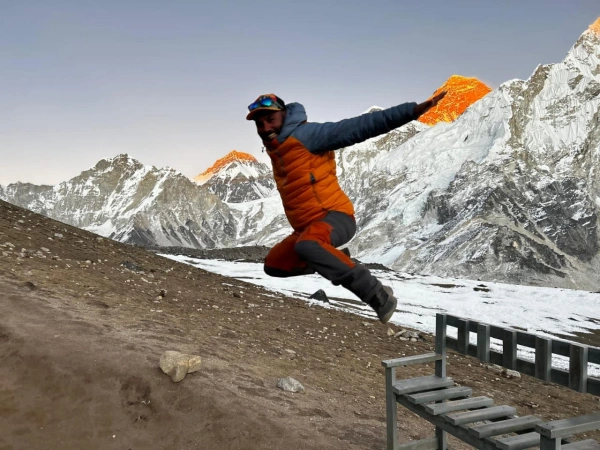
A Brief History of Lo Manthang and the Formation of the Mustang Kingdom
The history of Lo Manthang is deeply connected to the movement of Tibetan people across the Himalayas and the gradual formation of a distinct Himalayan kingdom known as Mustang (Lo Kingdom).
Tibetan Migration into Mustang
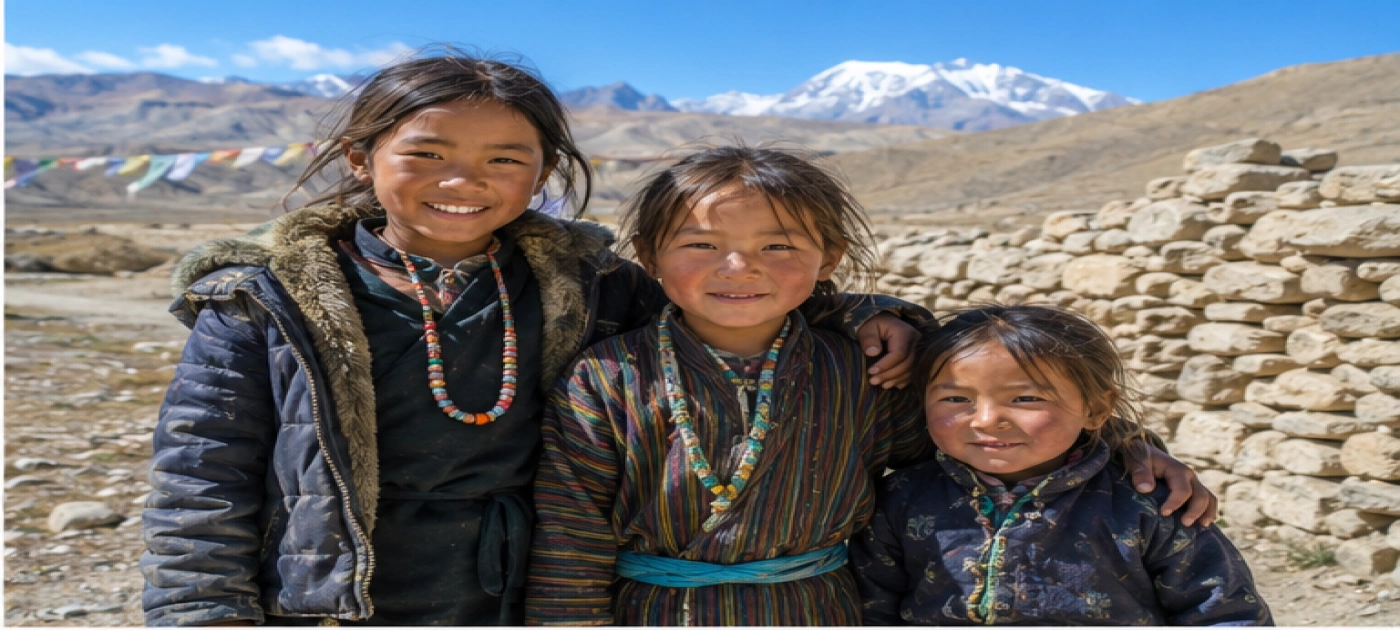
Centuries ago, people from western Tibet began crossing into the Mustang region through high mountain passes such as Kora La. These migrations were mainly driven by trade, search for pasturelands, and political changes in Tibet. The region that is now Upper Mustang was geographically closer to Tibet than to the rest of Nepal, both culturally and historically.
These Tibetan settlers brought with them:
- Tibetan Buddhist traditions (especially the Sakya and Nyingma schools)
- Their language and script
- Architecture made of mud, stone, and wood
- A strong system of monasteries and spiritual practices
Over time, these communities blended with the local Himalayan population, creating a unique Lo-pa (Mustangi) identity that is still preserved today.
Formation of the Lo Kingdom
In the 15th century, a Tibetan warrior named Ame Pal is credited with unifying the region and establishing the Kingdom of Lo. According to local history, Ame Pal came from a Tibetan noble lineage and expanded his influence into Mustang, where he founded Lo Manthang as the capital.
Key developments during this period included:
- Construction of the walled city of Lo Manthang
- Establishment of a monarchy system (Lo Kings)
- Expansion of trade routes between Tibet and Nepal
- Building of major monasteries like Thubchen and Jampa
The kingdom became an important center for salt trade between Tibet and the lowlands of Nepal and India.
Mustang as a “Forbidden Kingdom”
Because of its remote location and strong cultural ties with Tibet, Mustang remained largely isolated from the outside world for centuries. Until 1992, the region was restricted to foreign visitors, which helped preserve its ancient traditions, language, and way of life.
This isolation is why Upper Mustang is often called the “Last Forbidden Kingdom” today.
Legacy Today
Even after becoming part of modern Nepal, the people of Mustang continue to maintain their Tibetan-rooted identity. The traditions introduced by early Tibetan settlers are still visible in daily life, festivals, monasteries, and architecture.
Today, visiting Lo Manthang feels like stepping into a living museum of Himalayan-Tibetan history—where ancient kingdoms, spirituality, and culture continue to thrive. This is one of the Nepal’s best kept treasure and is like living museum to explore the culture, Himalayas and amazing natural beauty that mother nature ever gifted.
Upper Mustang is widely recognized by leading global travel authorities and media platforms as one of Nepal’s most remarkable and culturally unique destinations. Renowned travel guides such as Lonely Planet consistently feature Upper Mustang as a remote Himalayan region rich in ancient Tibetan Buddhist heritage, dramatic desert landscapes, and the legendary walled city of Lo Manthang. Similarly, National Geographic and BBC Travel have highlighted Mustang in their travel stories focusing on “hidden kingdoms” and preserved cultures, while CNN Travel and Rough Guides showcase it as a must-experience destination for travelers seeking off-the-beaten-path adventures. These international recognitions reinforce Upper Mustang’s reputation as one of the most extraordinary trekking and cultural tour destinations in Nepal, offering a rare glimpse into a living Himalayan kingdom that has preserved its traditions for centuries.
Below are the must-visit places in Upper Mustang Tour to the north central part of Nepal behind the Annapurna and Dhaulagiri mountain ranges, that make this journey truly unforgettable.
1. Lo Manthang – The Ancient Walled Kingdom
Lo Manthang is the historic capital of the former Kingdom of Mustang and the cultural center of the region. Enclosed within ancient mud-brick walls, the town features traditional houses, royal courtyards, narrow alleyways, and important monasteries that have preserved Tibetan Buddhist traditions for centuries. Walking through its peaceful streets feels like stepping back in time.
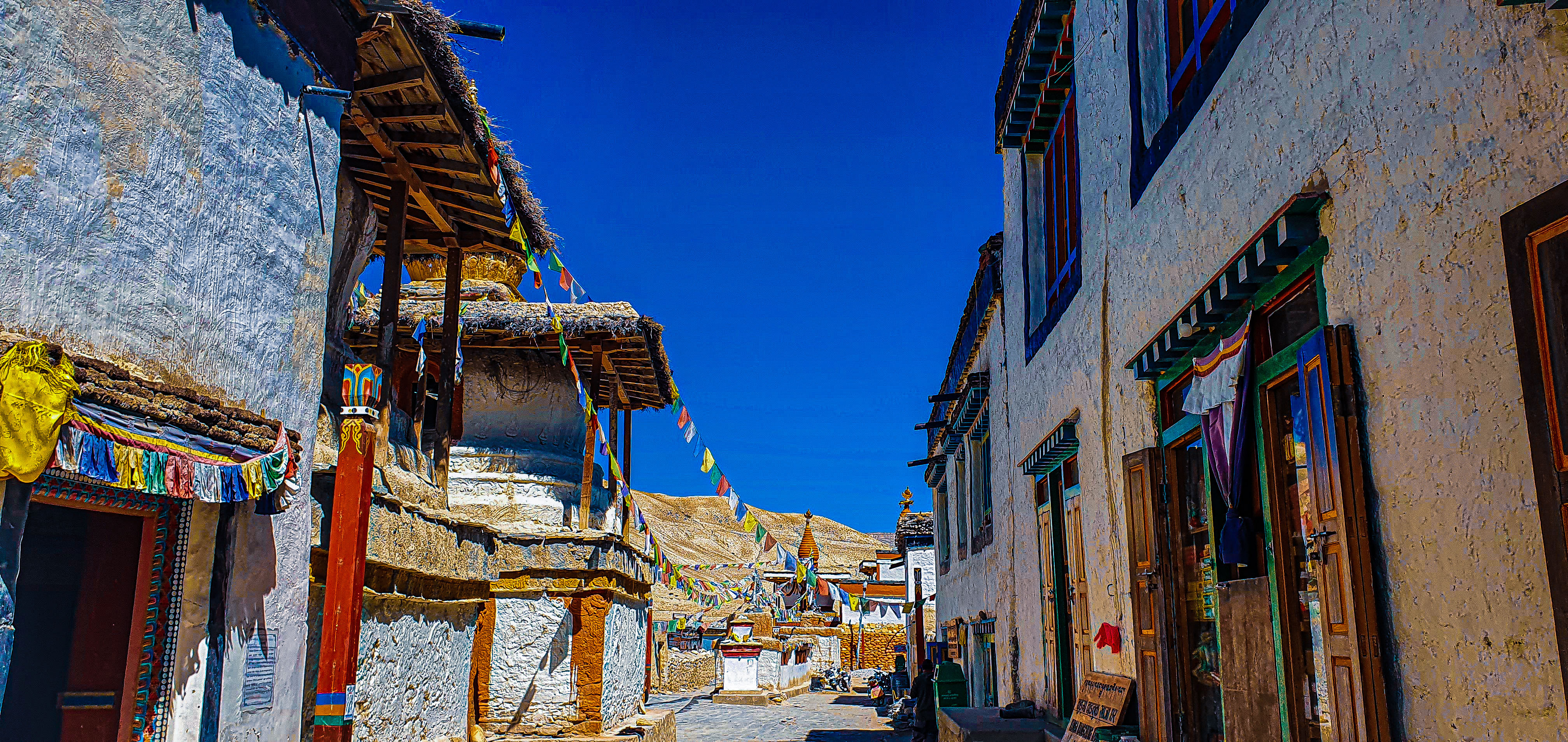
2. Muktinath Temple – Sacred Pilgrimage Site
Situated at an altitude of 3800 meters, Muktinath is one of the most revered pilgrimage destinations in the Himalayas. The temple attracts both Hindu and Buddhist devotees who come to worship at the sacred 108 water spouts and eternal natural flame. The surrounding mountain scenery adds to the spiritual atmosphere of this remarkable site.
3. Marpha Village – The Apple Capital of Mustang
Marpha is a beautiful traditional village known for its whitewashed stone houses, cobbled streets, and apple orchards. Famous throughout Nepal for its apples, apple brandy, and local products, the village offers a peaceful setting and a glimpse into the daily life of Mustang's local communities.
4. Jomsom and Dhumba Lake
Jomsom serves as the administrative and commercial center of the Mustang region. Nearby Dhumba Lake is a hidden gem surrounded by barren hills and snow-capped peaks. The serene turquoise waters and tranquil environment make it one of the most beautiful natural attractions in Lower Mustang.
5. Kagbeni – Gateway to Upper Mustang
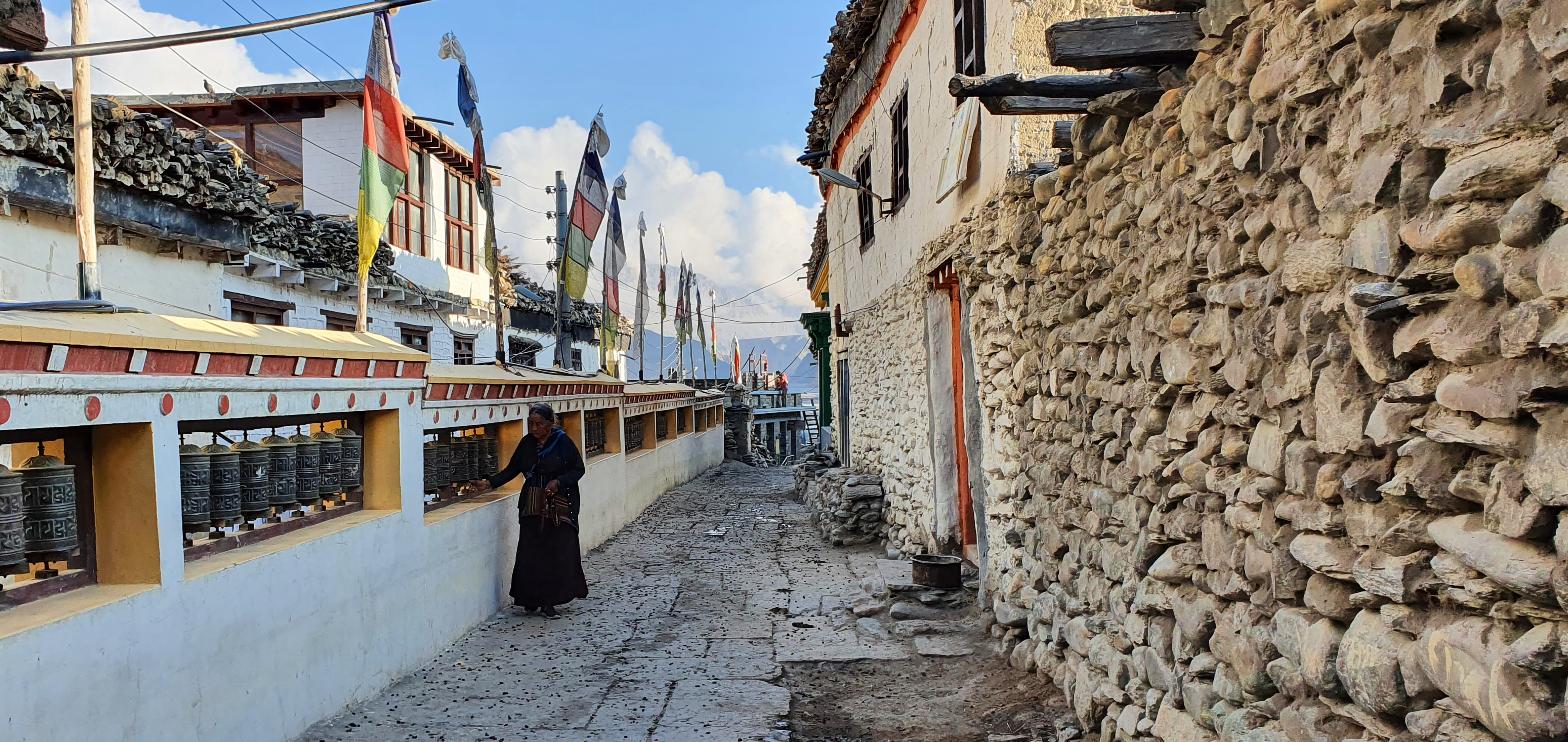
Located at the junction of the Kali Gandaki and Jhong rivers, Kagbeni is a medieval village that marks the entrance to Upper Mustang. Its ancient monastery, traditional mud-brick houses, and maze-like alleys provide visitors with a fascinating introduction to Mustang's unique culture and architecture.
6. Chhoser Sky Caves – Ancient Cliff Dwellings
The mysterious Sky Caves of Chhoser are among Mustang's most extraordinary archaeological sites. Carved high into steep cliffs thousands of years ago, these caves were once used as homes, meditation retreats, and burial chambers. Their history and engineering continue to intrigue researchers and travelers alike.
7. Jhong Cave – A Hidden Underground Wonder
Jhong Cave is an impressive multi-level cave complex located near Chhoser. Visitors can explore a network of chambers and tunnels carved into the cliffs while enjoying breathtaking views of the surrounding valley. The cave offers a unique insight into the ancient lifestyle of Mustang's early inhabitants.
8. Namgyal Monastery – The Victory Monastery
Perched on a hilltop overlooking Lo Manthang, Namgyal Monastery is an important center of Buddhist learning and religious ceremonies. The monastery provides panoramic views of the Mustang landscape and remains an active place of worship and meditation.
9. Thubchen Monastery – A Masterpiece of Buddhist Art
Built in the 15th century, Thubchen Monastery is one of the most impressive religious monuments in Upper Mustang. The monastery is renowned for its grand assembly hall, intricate architecture, and beautifully preserved wall paintings that showcase the region's rich artistic heritage.
10. Jampa Monastery – The God House
Jampa Monastery is among the oldest monasteries in Mustang and holds immense religious significance. Often referred to as the "God House," it features ancient statues, sacred scriptures, and remarkable murals that reflect centuries of Buddhist devotion and craftsmanship.
11. Garphu Village – Traditional Mustang Lifestyle
Garphu is a charming settlement where visitors can experience authentic Mustang culture. The village is surrounded by traditional chortens, prayer flags, and stunning mountain scenery, offering an excellent opportunity to observe the local way of life and traditional architecture.
12. Dhakmar – The Valley of Red Cliffs
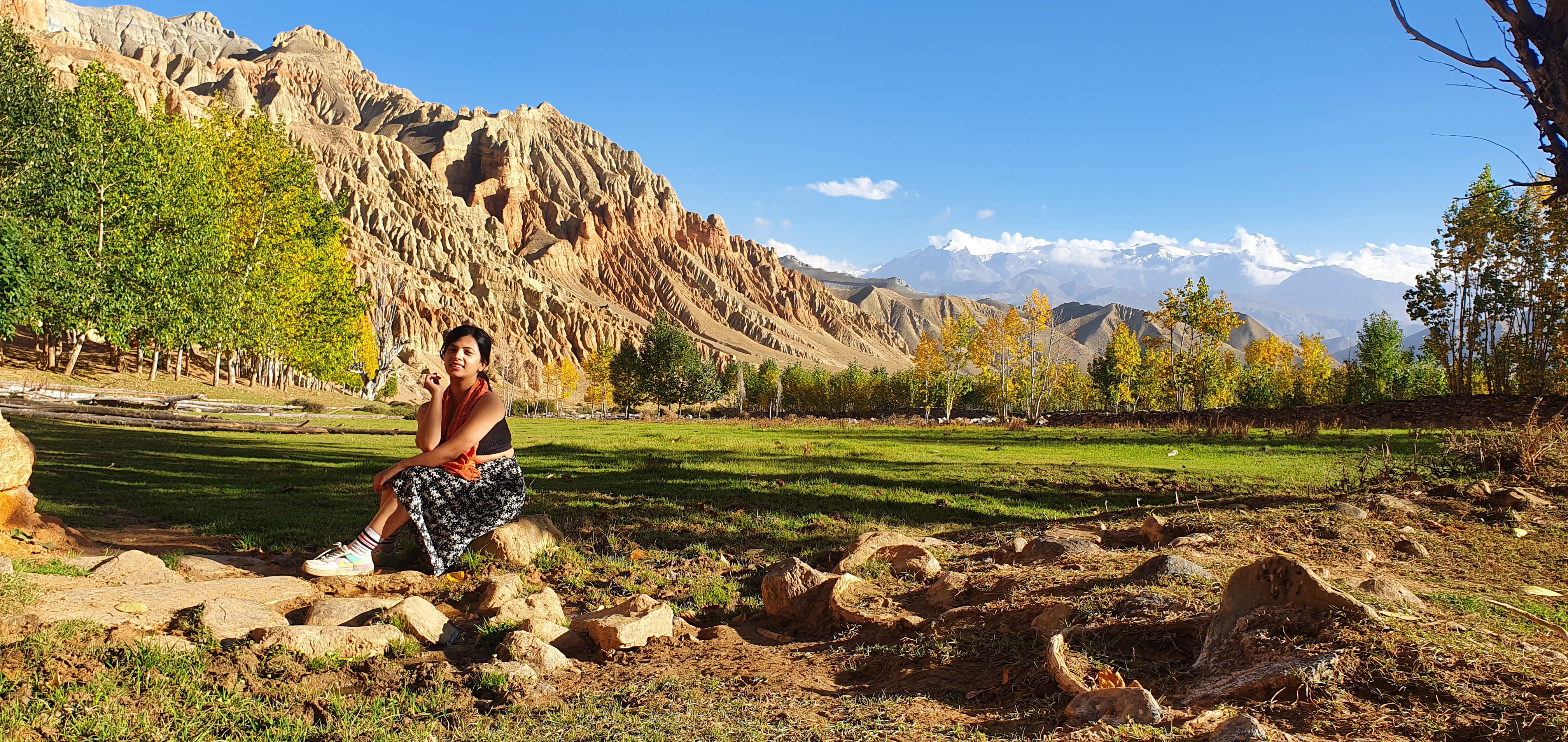
Dhakmar is famous for its dramatic red cliffs and striking rock formations. According to local legend, the cliffs turned red after Guru Rinpoche subdued a demon in the area. The unique landscape and spiritual significance make Dhakmar one of the most memorable locations in Upper Mustang.
13. Ghar Gompa (Lo Ghyakar Gompa) – Mustang's Oldest Monastery
Believed to be over 1,200 years old, Ghar Gompa is considered one of the oldest monasteries in Nepal. Closely associated with Guru Rinpoche, the monastery is regarded as a sacred place where pilgrims come to receive blessings and spiritual purification.
14. Charang Monastery – Cultural and Spiritual Treasure
Located in the traditional village of Charang, this impressive monastery houses ancient manuscripts, religious artifacts, statues, and vibrant murals. It stands as an important symbol of Mustang's deep-rooted Buddhist heritage and spiritual traditions.
15. Royal Palace of Lo Manthang
Situated within the walled city, the Royal Palace was once the residence of the Mustang Kings. This historic structure represents the political and cultural history of the former kingdom and remains one of the most important landmarks in Upper Mustang.
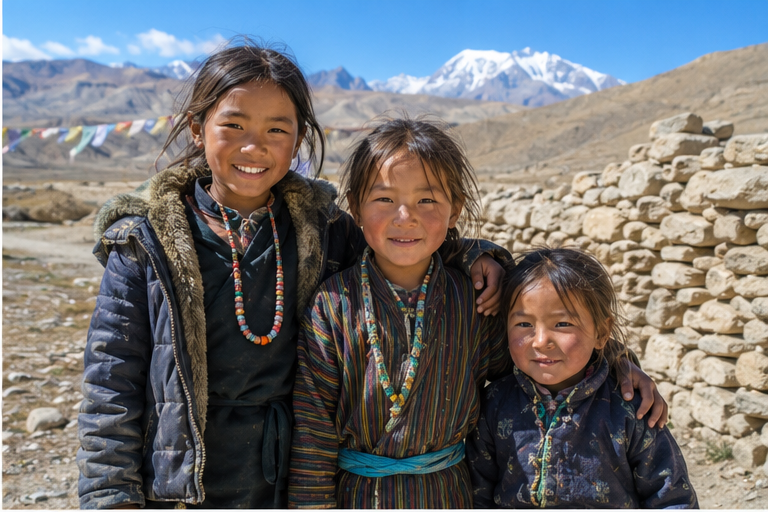
These above mentioned palces are must visit attractions during your tour / trek to Upper Mustang Region of Nepal.
Upper Mustang Trek and Tour have become equally popular choices among travelers from around the world, offering both adventure trekking experiences and comfortable overland jeep tours through one of Nepal’s most unique Himalayan regions. With its well-preserved Tibetan culture, ancient monasteries, and dramatic desert landscapes, Upper Mustang continues to attract cultural explorers, photographers, and adventure seekers alike.
In recent years, the Mustang region has also become more accessible and affordable for international visitors due to changes in the Restricted Area Permit system, now costing USD 50 per day from Kagbeni onwards (including Kagbeni stay considerations). This updated permit structure has made Upper Mustang a more flexible and welcoming destination, encouraging more travelers to experience the legendary “Last Forbidden Kingdom” of Nepal without compromising its cultural preservation and exclusivity.
From sacred monasteries and mysterious sky caves to medieval villages and spectacular Himalayan landscapes, the Upper Mustang Tour offers an unforgettable journey into one of Nepal's most unique and culturally rich destinations. With Asian Adventure Treks & Expedition, travelers can explore this extraordinary region comfortably while gaining a deeper understanding of its history, spirituality, and timeless beauty.