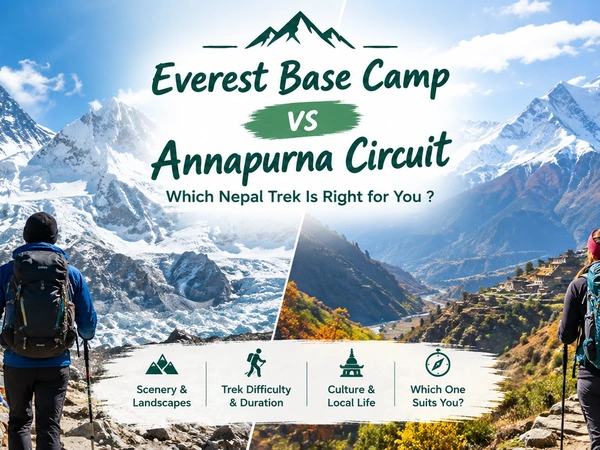
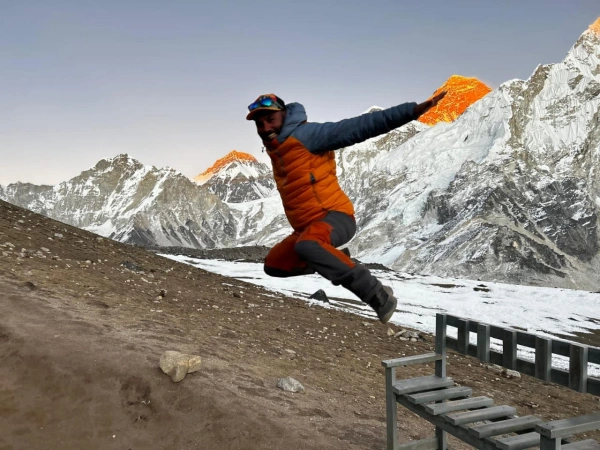
Nepal is one of the favourite destinations for the travellers who want to experience the thrill of altitude in the mountains, who seek the adventure, self-discovery and engaging in the wild nature amongst the serene nature and world’s highest mountains.
From serene forest trails to challenging Himalayan passes, Nepal offers trekking experiences that few places on Earth can match.
However, solo trekking in Nepal comes with its own set of rules. While some regions warmly welcome independent trekkers, others require that you travel with a licensed guide for safety and regulatory reasons.
With changing regulations and the importance of safety in mind, many travellers often ask: “Where can I trek alone in Nepal, and what should I know before setting trekking in Nepal?”
Whether you’re looking for a short, scenic trekor a multi-day Himalayan adventure in Nepal, understanding the local rules and preparing properly ensures a safe and unforgettable solo journey.
Is Solo Trekking Allowed in Nepal in 2026?
YES, solo trekking is allowed in several popular trekking regions of Nepal. Independent trekkers can explore well-established trails where infrastructure, lodges, and signposted routes make navigation relatively easier.
However, some trekking areas—especially those close to the Tibetan border or located in extremely remote locations - are classified as Restricted regions – requiring Special Restricted Area Permit. In these areas, the government requires trekkers to obtain special permits accompanied by a licensed guide through a registered trekking agency in Nepal.
Understanding these regulations about Regular trekking areas and Restricted area in Nepal before planning your trek will help you avoid complications and ensure a safe and enjoyable journey.
Understanding Nepal’s Trekking Zones
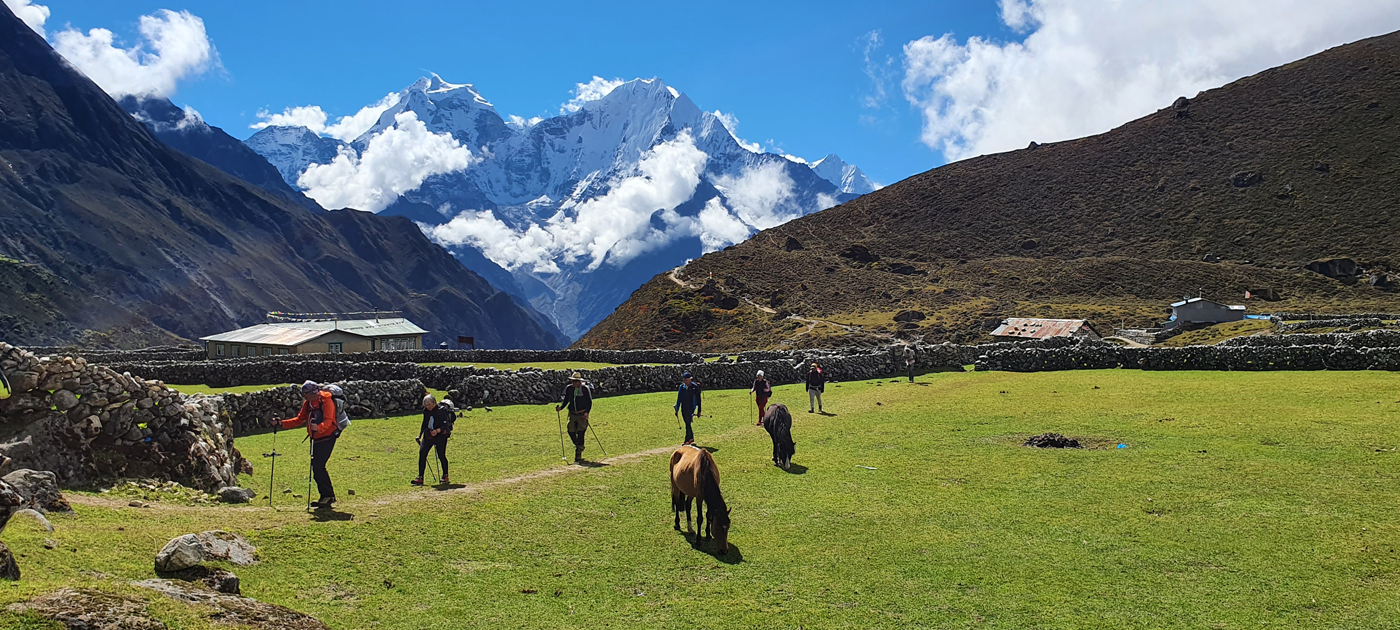
When planning a trek in Nepal, it’s important to know that trekking regions are divided into three main categories:
When planning a trek in Nepal, it’s important to know that trekking regions are divided into three main categories:
- Open Regions – Solo trekking is allowed, giving experienced hikers the freedom to explore independently. Requires permit, but can be applied through travel agency or through government office for independent travelling.
- Restricted Regions – Solo trekking is not permitted; travellers must follow specific guidelines or travel with organized groups. In these areas, travellers must obtain special permits accompanied by a licensed guide through a registered trekking agency in Nepal.
Open trekking regions in Nepal — such as the Annapurna Base Camp Trek, Annapurna Circuit Trek, Langtang Valley Trek, Makalu Trek, and Dhaulagiri Circuit Trek, etc.. allow solo or independent travel without the mandatory requirement of a guide. However, for safety and a more secure trekking experience, it is always recommended to travel with a licensed guide, especially to handle unforeseen situations, navigation challenges, or emergencies in remote mountain areas.
There are rules for Restricted regions several important reasons. Safety is the top priority – high altitudes, rapidly changing weather, and rugged terrain can present serious challenges, particularly in remote areas so we always suggest to hire guide for safety concerns.
Rescue limitations are another factor. In emergencies, reaching stranded trekkers in isolated regions can be extremely difficult, making guidance and preparation essential. In some regions in high altitude, navigator or WIFI might not work, so with the help of guide it will be easy to rescue travellers in need or descend downwards to manage with the altitude.
Finally, there are cultural and environmental considerations. Certain border regions and protected zones enforce rules to preserve local traditions, wildlife, and fragile ecosystems.
By understanding these categories and planning accordingly, trekkers can enjoy a safe, responsible, and culturally respectful adventure while exploring the breathtaking landscapes of Nepal.
Permitted Regions for Solo Trekking in Nepal
Several of Nepal’s most famous trekking destinations remain open to solo travelers. These regions are known for their well-developed trails, tea house accommodation, and reliable trekking infrastructure.
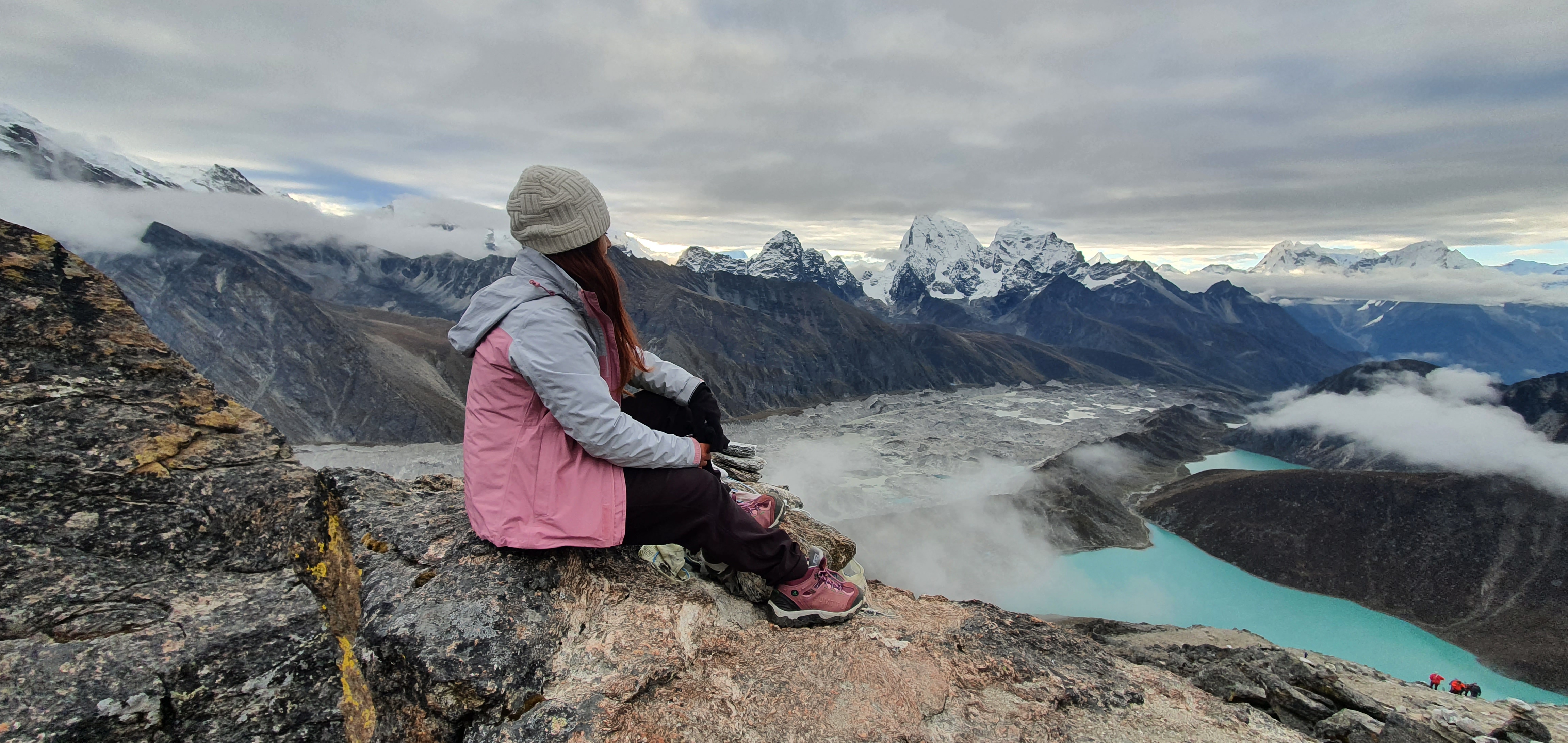
Everest Region is one of the most popular trekking destinations on Earth. Located in northeastern Nepal, this region attracts thousands of trekkers each year who come to experience the landscapes around the world’s highest mountain.
The highlight of the region is the famous trek to Everest Base Camp, which takes trekkers through traditional Sherpa villages, alpine forests, and dramatic Himalayan scenery. Another beautiful route leads to the turquoise lakes of Gokyo Lakes, offering spectacular views of surrounding peaks.
The trail passes through the bustling mountain hub of Namche Bazaar, where trekkers can find comfortable lodges, restaurants, gear shops, and bakeries. Because of the excellent infrastructure and clear trekking routes, the Everest region remains one of the best destinations for solo trekking in Nepal.
Trekkers in this region typically need permits for Sagarmatha National Park and the Khumbu local municipality.
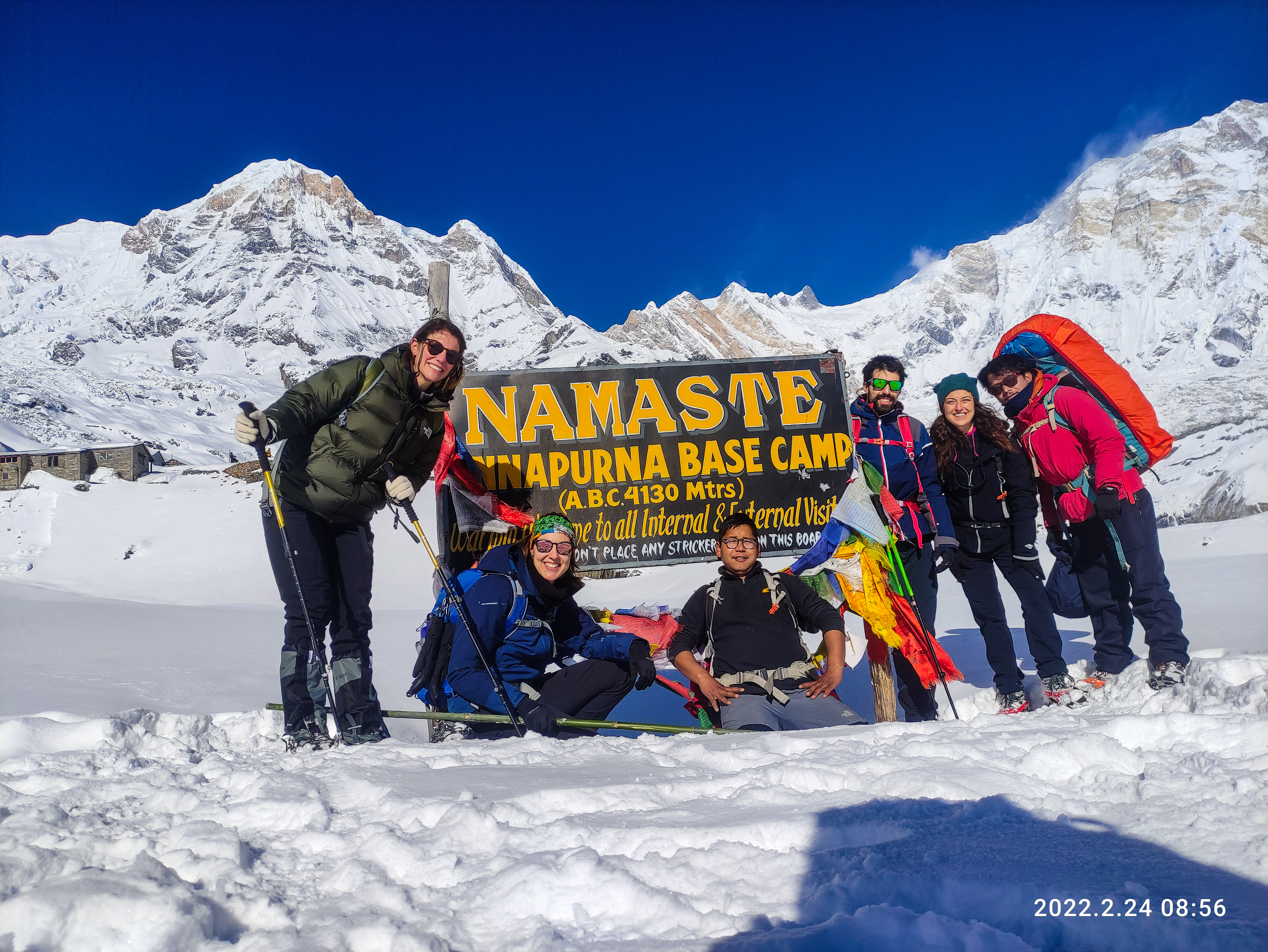
The Annapurna Region is one of the most diverse trekking areas in Nepal. It offers a wide range of trekking routes suitable for beginners, experienced hikers, and solo travelers.
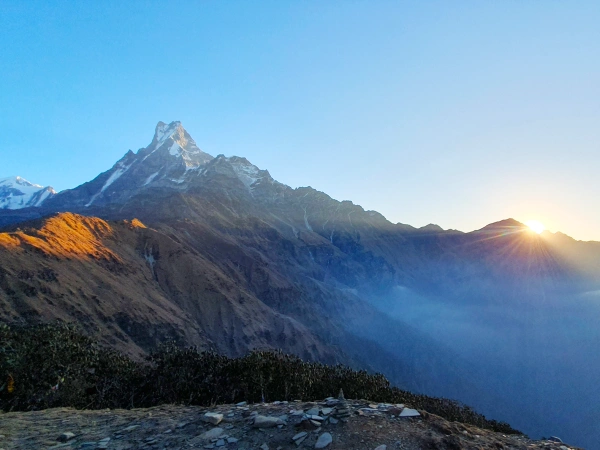
Some of the most popular treks in this region include the journey to Annapurna Base Camp, where trekkers walk deep into a natural amphitheater surrounded by towering Himalayan peaks. Another famous short trek leads to Poon Hill, which offers one of the most beautiful sunrise views in the Himalayas.
For those seeking quieter trails, the Mardi Himal trek has become increasingly popular. This route follows a scenic ridge line with spectacular views of Machapuchare and Annapurna South.
The Annapurna region is particularly suitable for solo trekkers because of its extensive network of tea houses, well-marked trails, and easy accessibility from Pokhara.
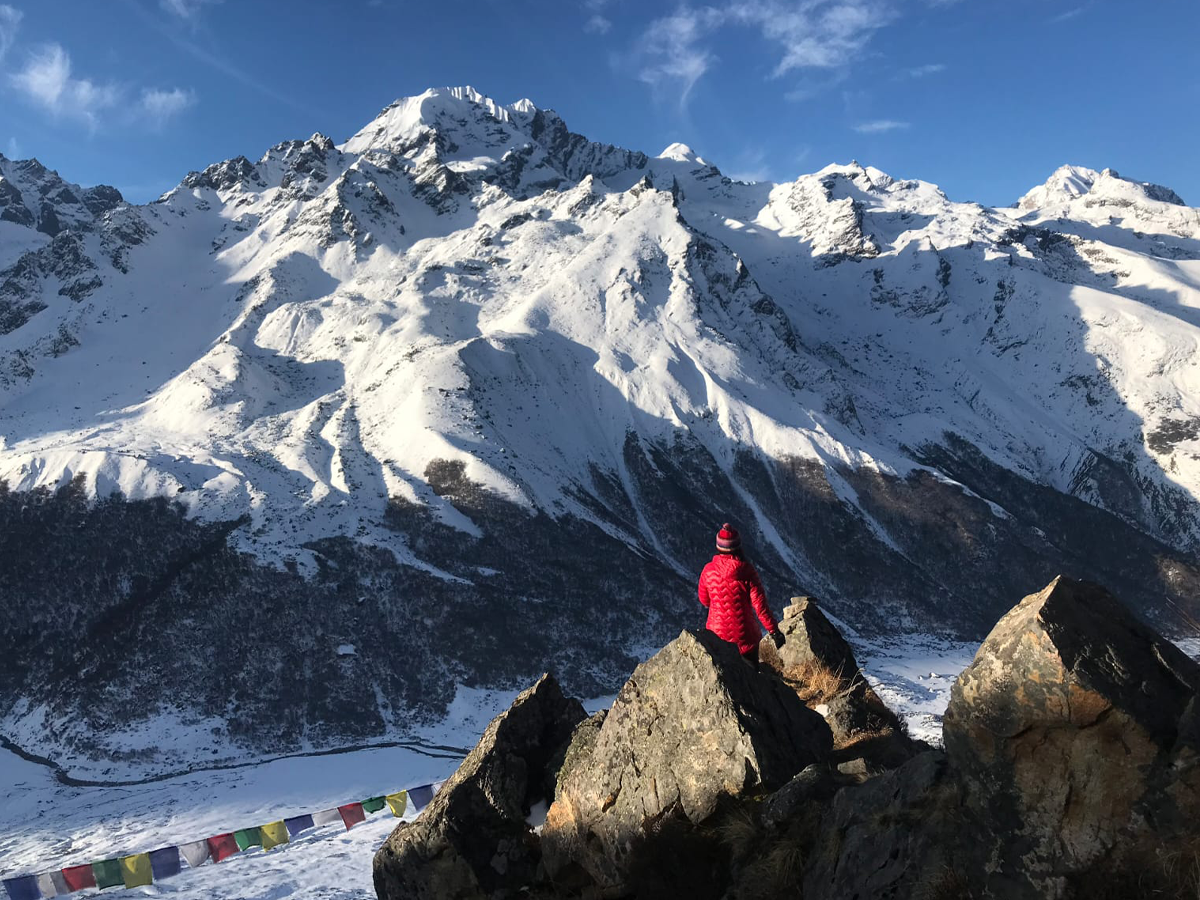
The Langtang Region is one of the closest Himalayan trekking areas to Kathmandu, making it a convenient choice for trekkers with limited time.
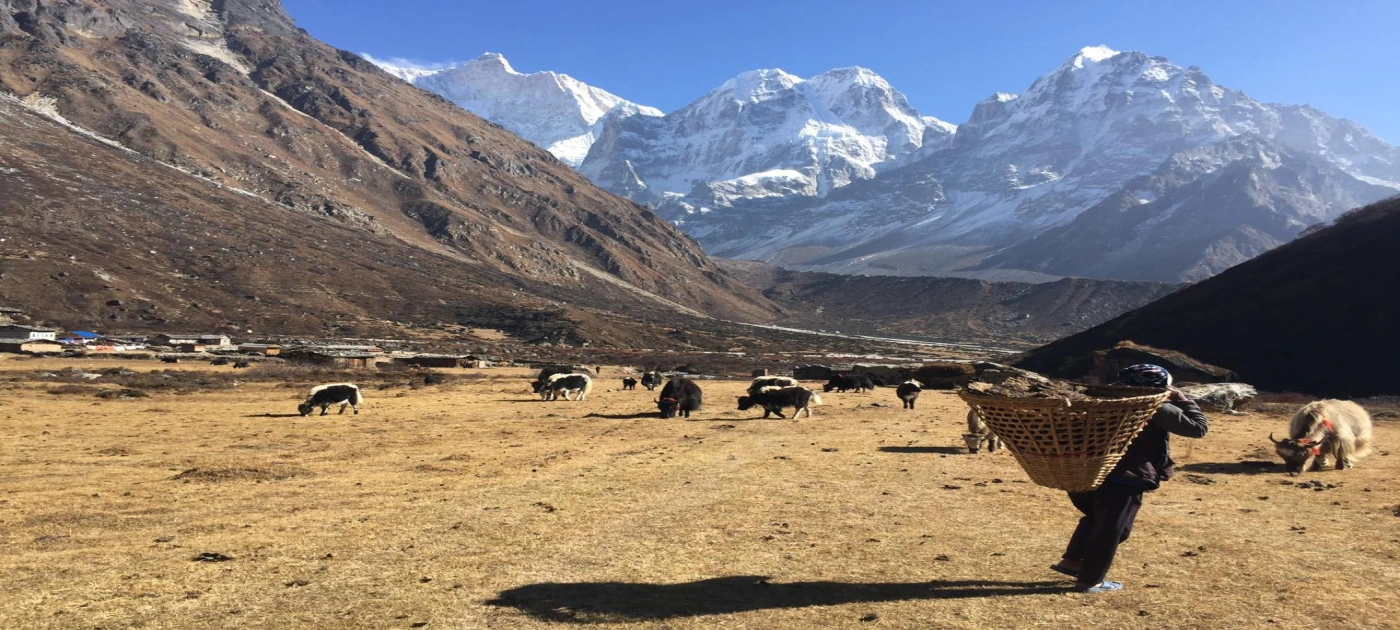
The most popular route in the region is the trek through Langtang Valley, where trekkers pass through forests, yak pastures, and traditional Tamang villages surrounded by snow-covered peaks.
Another sacred destination in the region is Gosainkunda Lake, an important pilgrimage site for Hindus and Buddhists. During the Janai Purnima festival, thousands of pilgrims visit the lake to perform religious rituals.
Langtang offers a quieter trekking experience compared to Everest and Annapurna, making it ideal for travelers seeking peaceful mountain landscapes while trekking independently.
Restricted Regions for Solo Trekking in Nepal
While some trekking regions are open to independent travelers, others are classified as restricted areas. These regions require special permits and licensed guides due to their remote location, cultural sensitivity, or proximity to international borders.
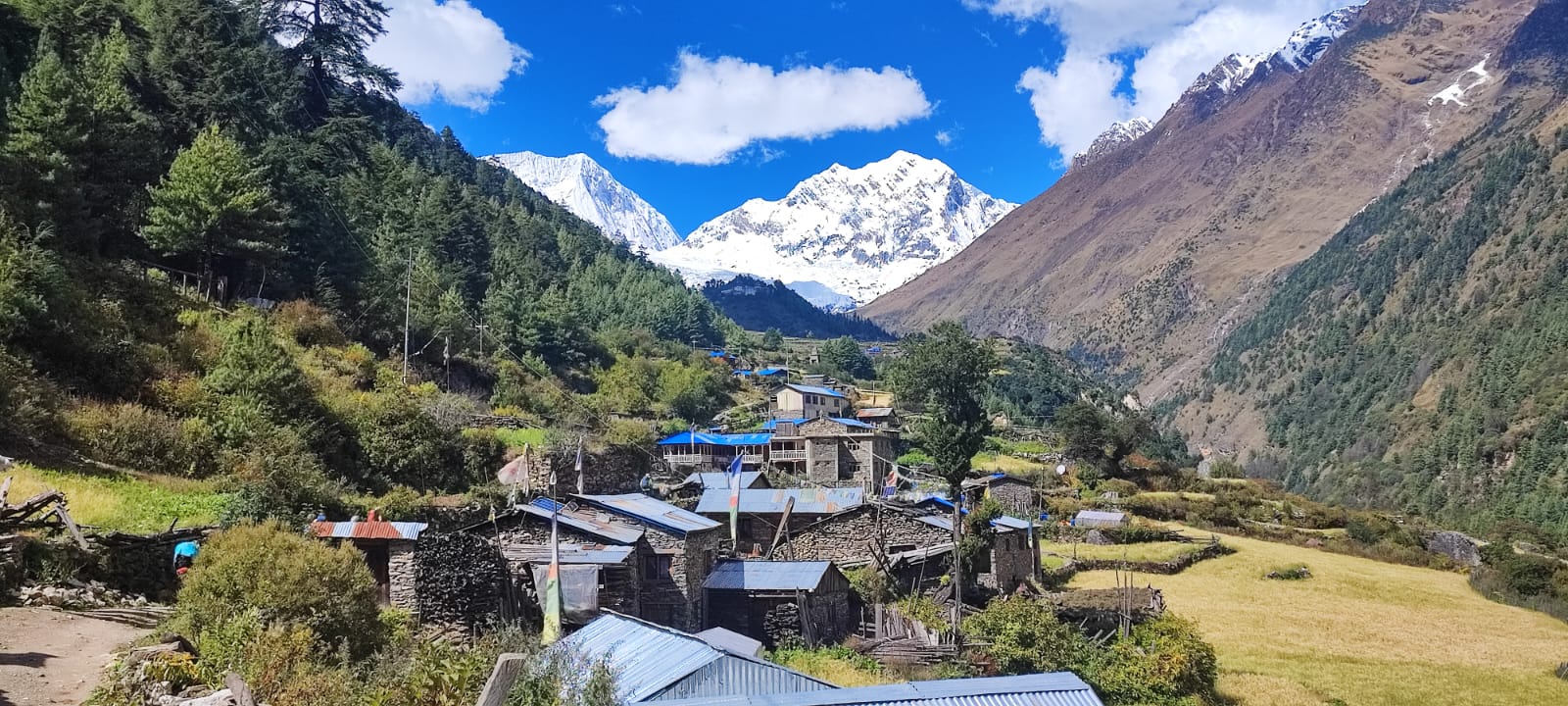
The Manaslu Circuit Trek is considered one of the most spectacular trekking routes in Nepal. The trail circles Mount Manaslu and crosses the dramatic Larkya La Pass (5106 m).
Despite its growing popularity, the Manaslu region is still a restricted area. Solo trekking is not permitted, and trekkers must obtain a special restricted area permit.
To receive this permit, trekkers must travel with a licensed guide and be part of a group organized through a registered trekking agency.
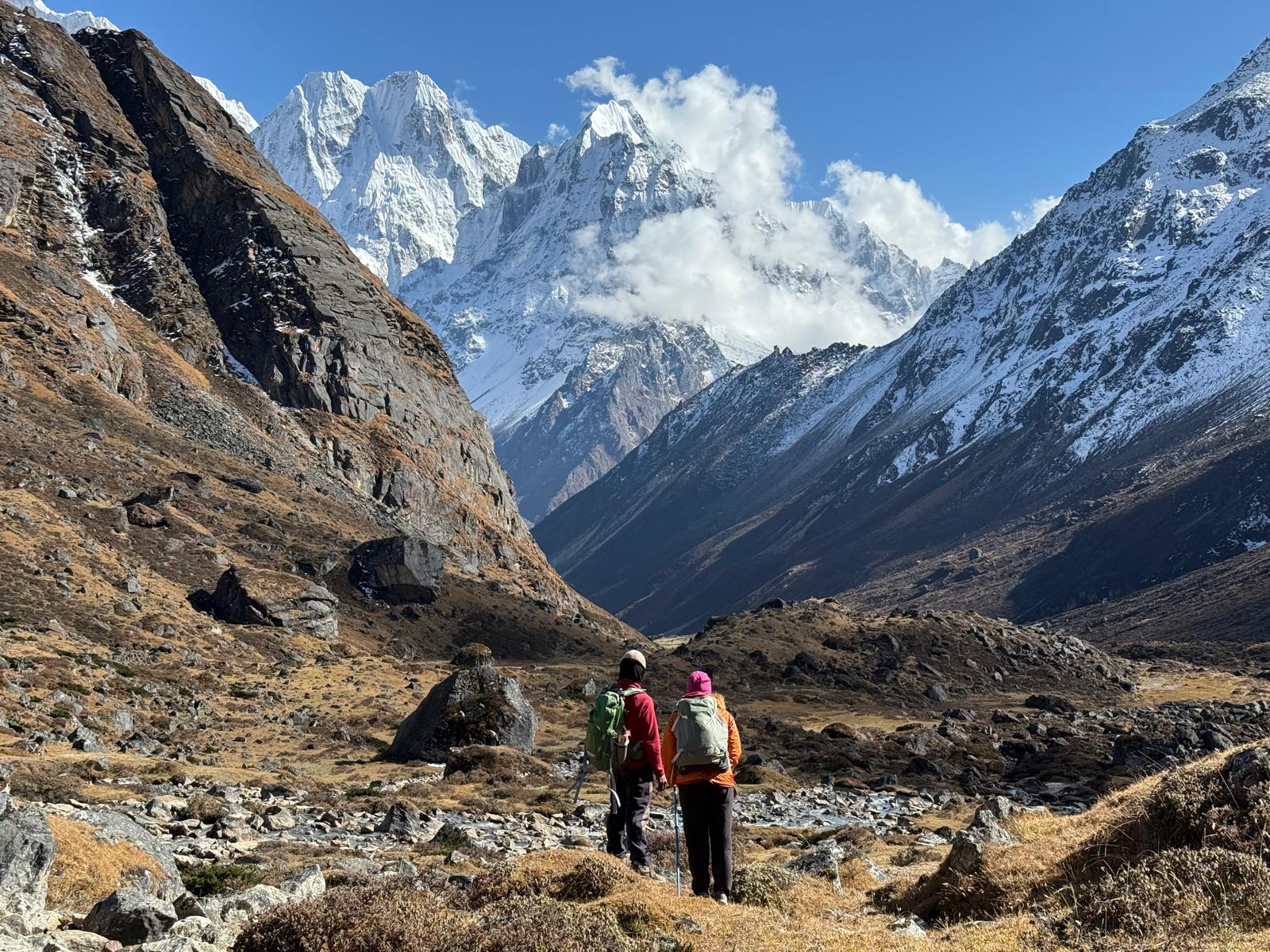
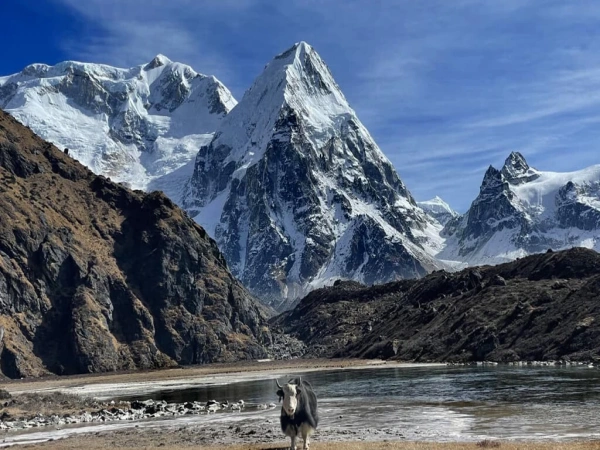
Located in eastern Nepal, the Kanchenjunga Trek is one of the most remote and pristine trekking experiences in the Himalayas.
This trek explores the region surrounding Mount Kanchenjunga, offering breathtaking landscapes of glaciers, alpine valleys, and untouched wilderness.
Due to its remoteness and its proximity to the borders of India and Tibet, the Kanchenjunga region requires special permits. Solo trekking is not allowed, and visitors must trek with a licensed guide arranged through a trekking agency.
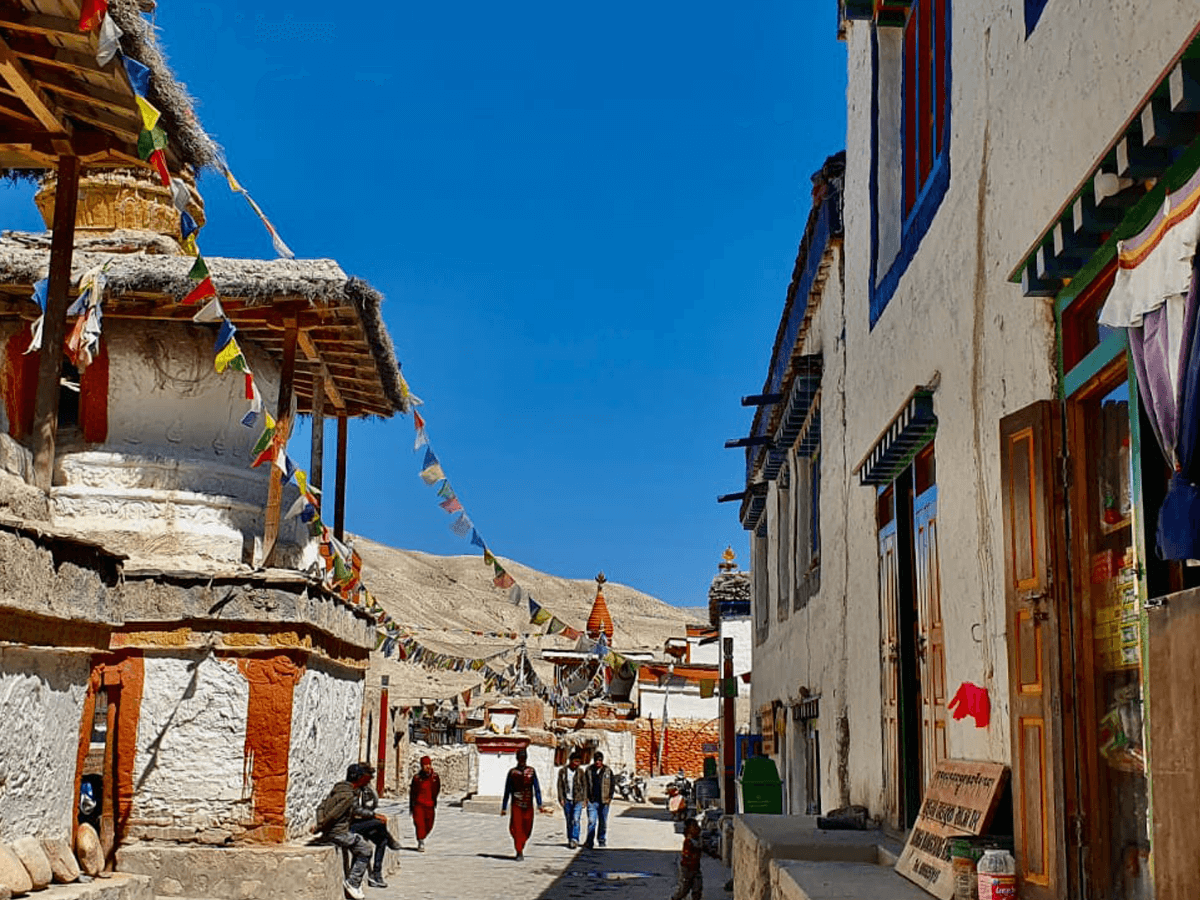
The Upper Mustang is one of the most culturally unique trekking destinations in the Himalayas. Often referred to as the “Last Forbidden Kingdom,” this region preserves ancient Tibetan Buddhist culture, monasteries, and cave settlements.
The classic Upper Mustang Trek takes trekkers through dramatic desert landscapes to the walled city of Lo Manthang.
Because Upper Mustang lies near the Tibetan border and has a fragile cultural heritage, solo trekking is not permitted. Trekkers must obtain a restricted area permit and travel with a licensed guide.
Why Some Trekking Regions Are Restricted?
There are several reasons why certain trekking regions in Nepal require guides and special permits:
1. Safety in Remote Areas
Many restricted regions are extremely remote with limited infrastructure. Traveling with a guide improves safety in case of emergencies.
2. Border Security
Several restricted areas lie close to the borders of Tibet and India. Trekking regulations help the government monitor travel in these sensitive regions.
3. Cultural Preservation
Regions like Upper Mustang have unique cultural traditions and historical sites that require protection.
4. Environmental Protection
Controlled tourism helps preserve fragile mountain ecosystems and reduces the environmental impact of trekking.
Solo trekking in Nepal remains possible in some of the country’s most famous trekking destinations, including the Everest, Annapurna, and Langtang regions. These areas offer well-established trails, comfortable tea houses, and incredible mountain scenery that independent trekkers can safely enjoy.
However, trekkers planning to explore remote regions such as Manaslu, Kanchenjunga, or Upper Mustang must travel with licensed guides and obtain special permits.
Before planning your Himalayan adventure, it is important to understand these trekking regulations and choose the region that best matches your experience and travel style.
If you are planning a trek in Nepal in 2026, Asian Adventure Treks & Expedition can assist with trekking permits, experienced guides, customized itineraries, and complete trekking arrangements across the Himalayas.